
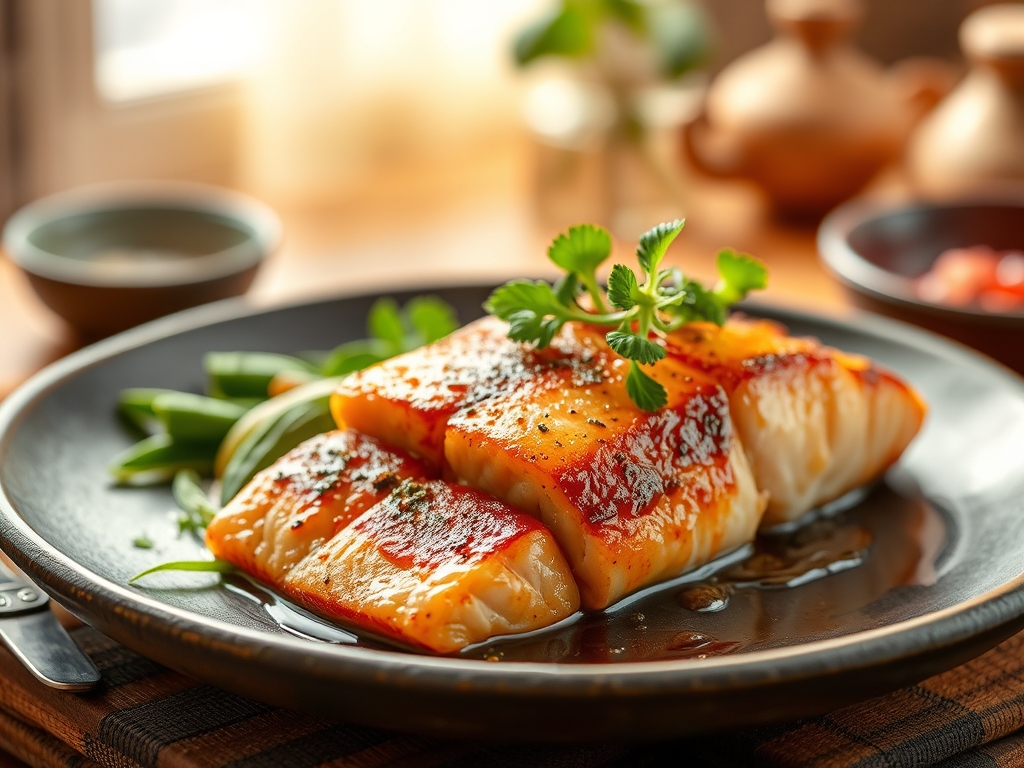
Picture a slab of Atlantic salmon hitting a scorching cast iron skillet; the skin crackles instantly while the aroma of fermented fish sauce and charred sugar fills your kitchen. If you are tired of the same old lemon-pepper routine, these vietnamese salmon recipes are about to become your new obsession. We are talking about the perfect marriage of rich, omega-3 fatty acids and the high-vibration brightness of Southeast Asian aromatics. Vietnamese cuisine is built on the philosophy of the five elements: spicy, sour, bitter, salty, and sweet. When you apply this to a fatty fish like salmon, something magical happens. The acid cuts the oil, the sugar encourages a deep mahogany crust, and the herbs provide a refreshing finish that keeps you coming back for another bite. Whether we are caramelizing fillets in a clay pot or wrapping them in delicate rice paper, we are using heat and chemistry to transform simple ingredients into a restaurant-quality feast. Grab your apron; we are diving into the science of flavor.
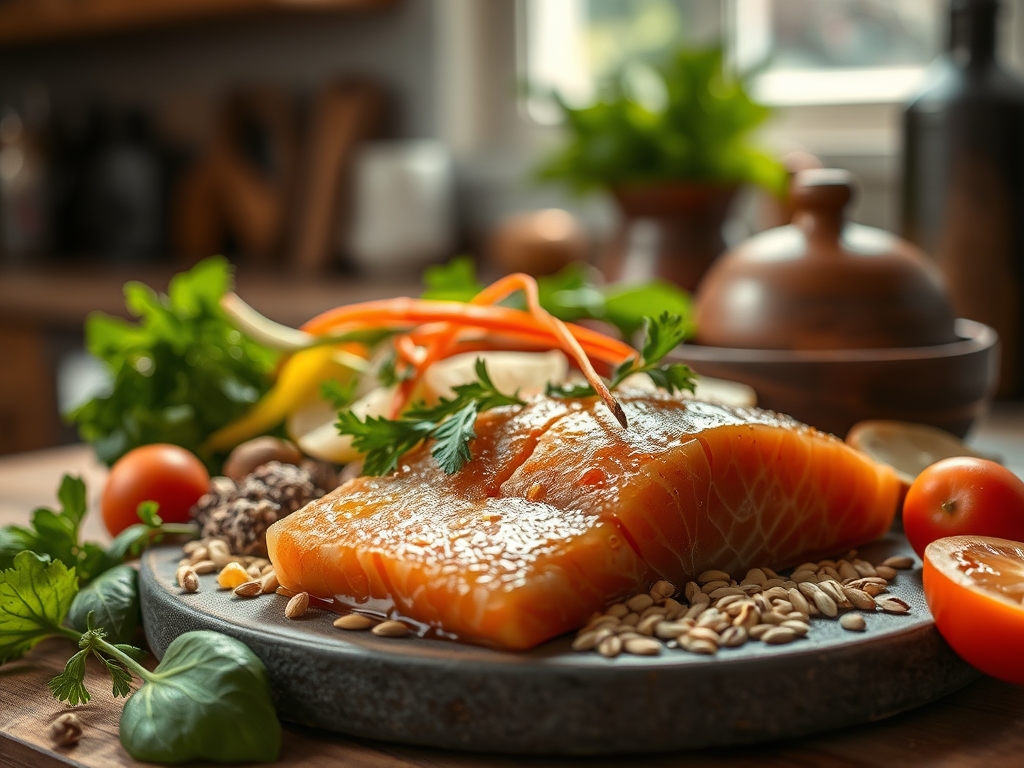
The Gathers:
To master these dishes, your mise-en-place must be precise. Start with your aromatics: lemongrass, shallots, and garlic. Use a microplane to grate the ginger into a fine paste; this increases the surface area and ensures the gingerol compounds infuse the oil without leaving woody chunks. You will need a high-quality fish sauce (Nuoc Mam), which acts as your primary source of glutamates for that savory umami punch. Look for bottles labeled "40N" to ensure a high protein content and deeper flavor profile.
For the salmon itself, look for center-cut fillets with consistent thickness to ensure even thermal distribution. You will also need palm sugar or brown sugar to facilitate the Maillard reaction, creating those complex, toasted notes during the searing process. If you cannot find bird's eye chilies, a splash of Sriracha or red pepper flakes works as a smart substitution. For a vegan twist on the sauce, use a mixture of light soy sauce and minced shiitake mushrooms to mimic that fermented depth. Always keep a bundle of fresh cilantro, mint, and Thai basil on standby; these volatile oils are delicate and must be added at the very end to maintain their piquant brightness.
The Clock
Efficiency in the kitchen is all about the "Chef's Flow." Most of these vietnamese salmon recipes require about 15 minutes of active prep and 10 to 12 minutes of cooking. The secret is the marinade. You want at least 20 minutes of contact time for the salt to begin denaturing the surface proteins, which allows the flavors to penetrate deeper than the epidermis of the fish.
While the salmon marinates, use your bench scraper to clear your workstation and prep your garnishes. If you are making a traditional Ca Kho To (Caramelized Salmon), the "Flow" involves starting your caramel sauce first. By the time the sugar has reached a deep amber hue, your salmon is ready to be seared. Total time from fridge to table is roughly 30 minutes, making this the ultimate weeknight power move.
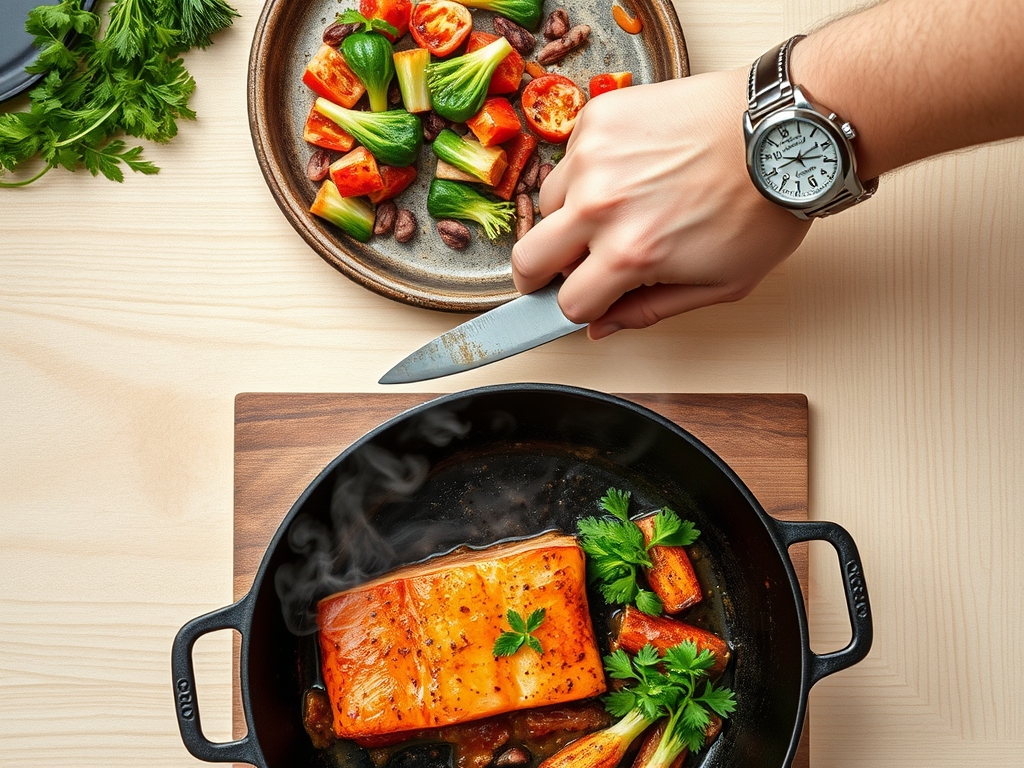
The Masterclass
1. The Sear and Render
Place your salmon skin-side down in a heavy-bottomed skillet with a high-smoke-point oil like avocado or grapeseed. Use tongs to press the fish firmly against the pan for the first 30 seconds.
Pro Tip: This physical pressure prevents the protein fibers from curling as they contract, ensuring maximum surface contact for a perfectly crisp, golden skin.
2. The Caramel Infusion
Once flipped, introduce your liquid base: a mixture of fish sauce, sugar, and coconut water. Use a saucier if you are making a large batch of sauce separately to ensure the whisk reaches every corner.
Pro Tip: The sugars in the coconut water undergo caramelization at 320 degrees Fahrenheit, creating a viscous glaze that clings to the fish without becoming overly sweet.
3. The Aromatic Bloom
Throw in your smashed lemongrass and sliced shallots during the last two minutes of cooking. You want them to soften and release their essential oils into the rendering fat.
Pro Tip: Fat is a flavor carrier. By blooming aromatics in the salmon oil, you are creating a fat-soluble flavor bridge that coats the entire palate.
4. The Rest and Carryover
Remove the salmon from the heat when the internal temperature hits 125 degrees Fahrenheit. Transfer it to a warm plate and let it rest for three minutes.
Pro Tip: Thermal carryover will continue to cook the fish, bringing it to a perfect 130 to 135 degrees. Skipping the rest period causes the muscle fibers to tighten and squeeze out the moisture.
The Deep Dive
From a macro perspective, these recipes are a nutritional goldmine. A standard serving provides roughly 35 grams of high-quality protein and is rich in Vitamin B12 and Selenium. Because we use fish sauce for salt and lime for brightness, the calorie count remains low compared to cream-based Western preparations.
For dietary swaps, Keto followers can replace palm sugar with erythritol or monk fruit sweetener. If you are Gluten-Free, ensure your fish sauce is certified, as some lower-end brands use wheat-based thickeners.
The Fix-It: Common Pitfalls
- Soggy Skin: This happens if the pan isn't hot enough or the skin is wet. Pat the salmon bone-dry with paper towels before it hits the oil.
- Broken Sauce: If your glaze looks oily and separated, add a teaspoon of water and whisk vigorously to re-emulsify the fats and sugars.
- Bitter Garlic: If your garlic turns dark brown, it will taste acrid. Add it later in the process or move it to the top of the fish to protect it from direct heat.
Meal Prep Science: To reheat salmon without it becoming "fishy" or dry, use a low-temperature oven (275 degrees) with a splash of water covered in foil. This creates a steam chamber that gently rehydrates the proteins without oxidizing the fats.
The Wrap-Up
Mastering vietnamese salmon recipes is about more than just following a list of ingredients; it is about understanding how heat, acid, and sugar interact to elevate a simple protein. You now have the technical knowledge to sear with confidence and balance flavors like a pro. These dishes are vibrant, healthy, and incredibly impressive for a dinner party or a solo weeknight treat. So, grab your digital scale for precise measurements, get that skillet screaming hot, and let the aromatics do the heavy lifting. Your kitchen is about to smell like a bustling street market in Saigon!
The Kitchen Table
How do I get the skin extra crispy?
The secret is moisture removal. Pat the skin dry with paper towels, then leave the salmon uncovered in the fridge for an hour. This dehydrates the surface, allowing for immediate Maillard reaction and a glass-like crunch when seared.
Can I use frozen salmon for these recipes?
Yes, but thaw it completely in the refrigerator first. Frozen fish contains more moisture, so you must be extra diligent about drying the surface. Use a heavy-bottomed skillet to maintain high heat and prevent the fish from poaching in its juices.
What is the best substitute for fish sauce?
For a similar umami profile, mix two parts soy sauce with one part fresh lime juice and a minced anchovy. If vegan, use a "no-fish" sauce made from fermented pineapple or seaweed to achieve that essential briny depth and saltiness.
How do I stop the salmon from sticking?
Ensure your pan is "non-stick" through heat. Heat the dry pan first, then add oil until it shimmers. Only then add the fish. Once it hits the pan, do not move it for at least two minutes to let the crust form.