
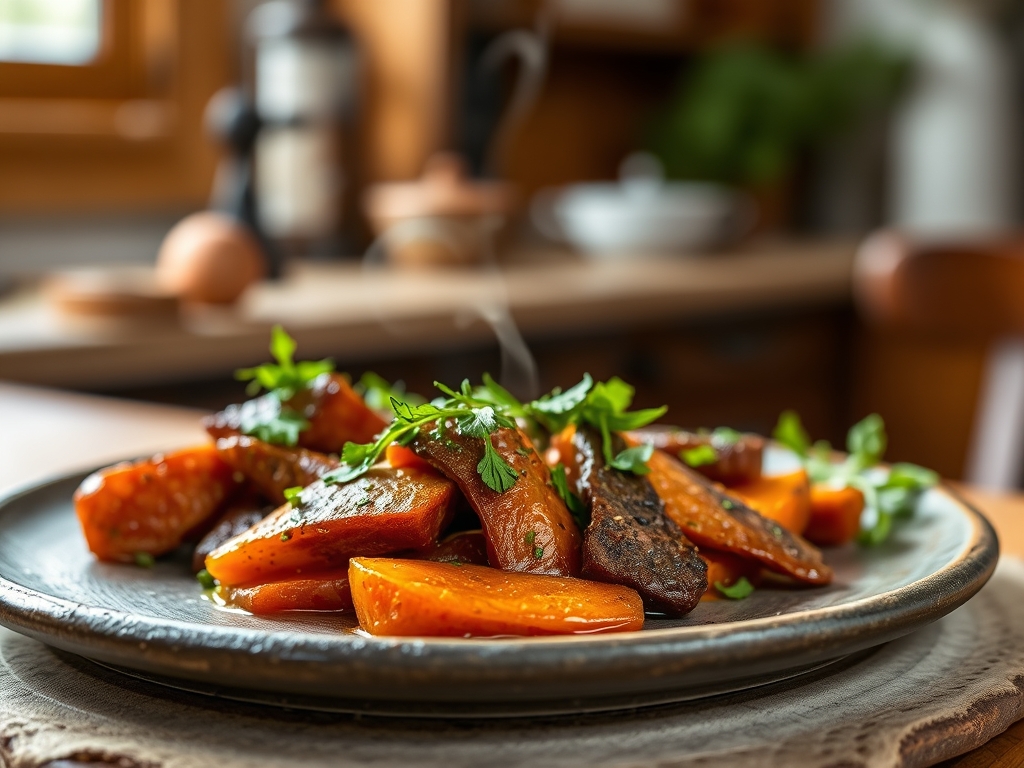
Picture a heavy-bottomed skillet resting on a blue-flame burner. The air is thick with the scent of rendering fat and caramelized sugars. This isn't just dinner; it is a molecular masterpiece. Finding the perfect sweet potato beef recipes means balancing the earthy, beta-carotene sweetness of the tuber with the iron-rich, savory depth of premium protein.
It is time to get technical. To achieve the perfect sear, we are looking for the Maillard reaction. This is the chemical dance between amino acids and reducing sugars that occurs around 285 degrees Fahrenheit. When you pair the complex carbohydrates of a yam with the dense muscle fibers of beef, you create a nutritional powerhouse that satisfies both the palate and the macros. We are going to explore ten distinct ways to marry these two ingredients, from silky purees to charred, crispy hashes. Grab your apron and your favorite chef's knife; we are about to turn your kitchen into a high-performance laboratory.
The Gathers:
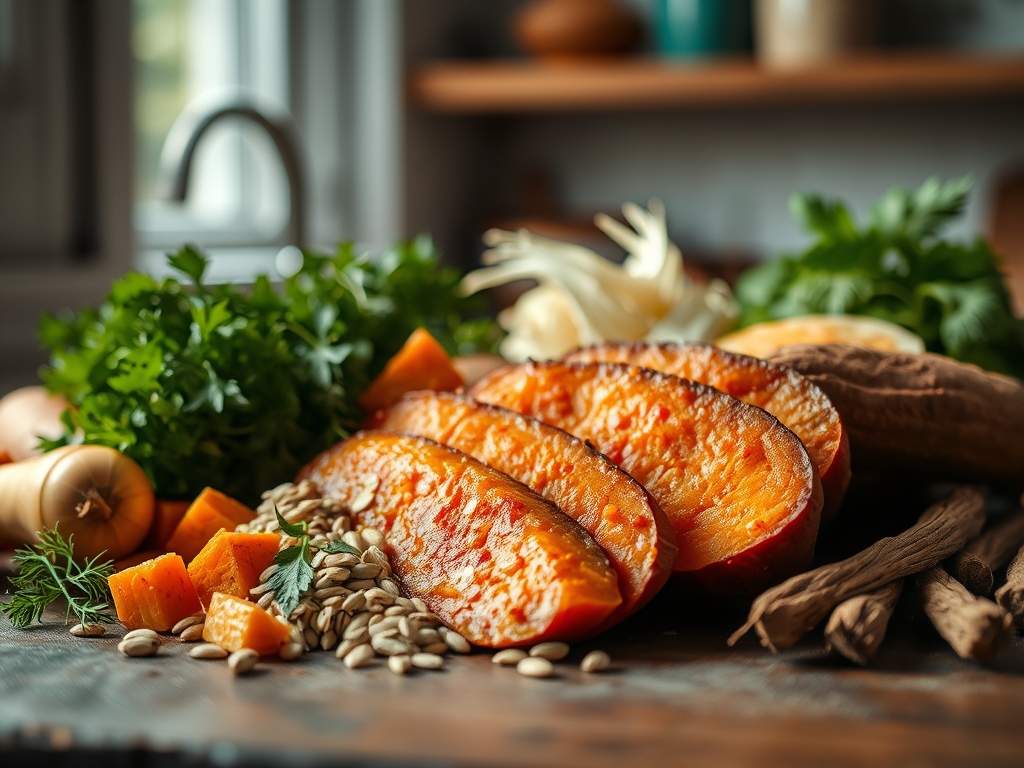
Before the heat touches the pan, we must respect the mise-en-place. For our sweet potato beef recipes, you will need a variety of textures. Start with firm, jewel-toned sweet potatoes. Look for tubers with smooth skin; this indicates high moisture content and even starch distribution. For the beef, a well-marbled ribeye or a lean flank steak provides different lipid profiles to play with.
You will also need aromatics. Think of garlic and shallots as your flavor conductors. Use a microplane to zest fresh ginger or garlic into a fine paste; this increases the surface area for maximum infusion. Your pantry should hold high-smoke-point oils like avocado oil or clarified butter. Avoid extra virgin olive oil for high-heat searing, as its low smoke point will result in acrid, bitter flavors.
Smart Substitutions:
If you are looking for a lower glycemic index, swap the orange sweet potatoes for Japanese purple yams. They are starchier and hold their shape better in stews. For the beef, if you want a lighter profile, bison is an excellent leaner alternative that offers a more piquant, gamey finish without the heavy saturated fat of traditional bovine cuts.
The Clock
Efficiency in the kitchen is about the "Chef's Flow." This is the art of overlapping tasks so that no second is wasted. Total active prep for most sweet potato beef recipes sits at approximately 20 minutes, with cook times varying from 15 minutes for a stir-fry to 6 hours for a slow-braised short rib.
Always start with your longest-running task. If you are roasting potatoes, get them in the oven first. While the starch undergoes thermal transformation, you can focus on your protein. Use a digital scale to portion your beef accurately; this ensures even cooking times across the board. Remember that beef requires a resting period. Factor in at least 5 to 10 minutes of "carryover cooking" time where the internal juices redistribute through the muscle fibers.
The Masterclass
1. The Precision Dice
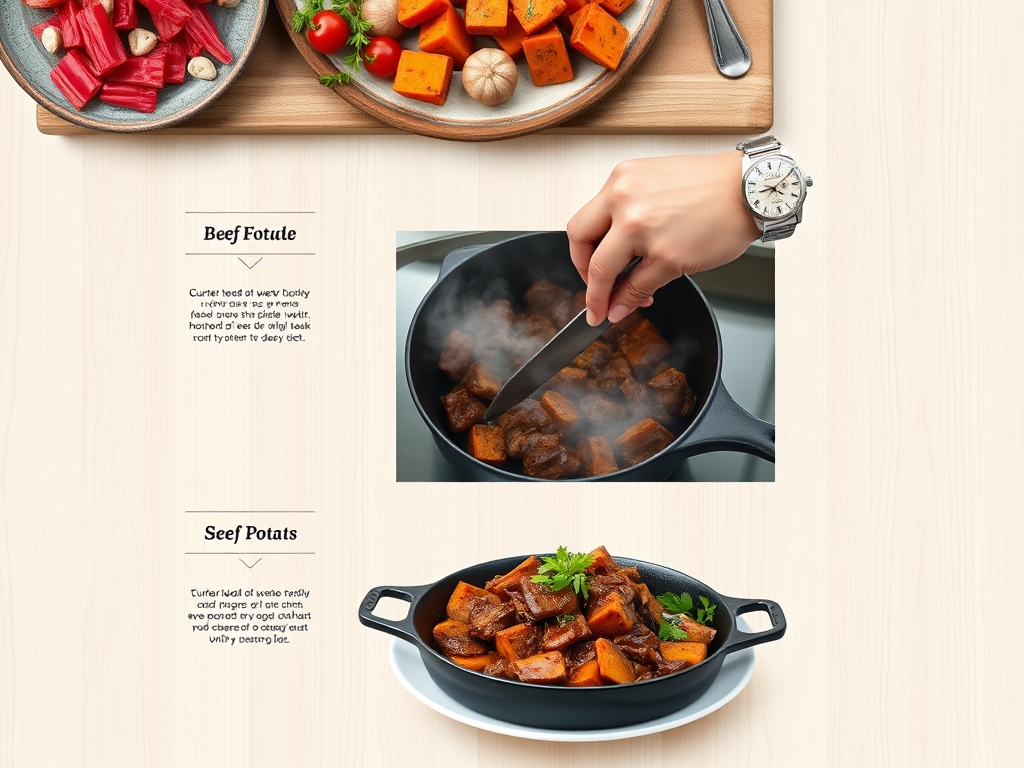
Use a sharp chef's knife to cut your sweet potatoes into uniform half-inch cubes. Uniformity is not just for aesthetics; it ensures that every piece reaches the same internal temperature simultaneously.
Pro Tip: This prevents enzymatic browning. If you aren't cooking them immediately, submerge the cut cubes in cold water to stop the oxygen from reacting with the polyphenol oxidase.
2. Searing the Protein
Pat your beef bone-dry with paper towels. Moisture is the enemy of a good crust. Heat your heavy-bottomed skillet until it is shimmering. Lay the beef away from you to avoid oil splatter.
Pro Tip: Use tongs to press the meat firmly against the pan. This maximizes contact for the Maillard reaction, creating those deep, savory flavor compounds that define professional sweet potato beef recipes.
3. Deglazing the Fond
Once the beef is removed, you will see brown bits stuck to the pan. This is "fond," and it is liquid gold. Pour in a splash of beef stock or red wine and use a wooden spoon to scrape it up.
Pro Tip: This process uses a solvent to lift concentrated proteins and sugars. It creates a viscous, glossy sauce that ties the sweetness of the potato to the saltiness of the meat.
4. Aerating the Mash
If you are making a shepherd's pie variant, boil your potatoes until fork-tender. Use a ricer instead of a masher for a silkier texture.
Pro Tip: Do not overwork the potatoes. Excessive agitation releases too much starch, turning your fluffy mash into a gummy, glue-like substance. Fold in your fats gently.
5. The Final Emulsification
Combine your beef and potatoes with a finishing fat, like a knob of cold butter or a drizzle of tahini. Stir vigorously to create a stable emulsion.
Pro Tip: A stable emulsion occurs when fat droplets are suspended in water-based liquids. This coats the tongue and carries the flavor of your spices across the palate more effectively.
The Deep Dive
When we look at the macro nutrition of sweet potato beef recipes, we see a perfect split. You get complex carbohydrates for sustained energy, high-quality protein for muscle repair, and a massive dose of Vitamin A. It is a functional meal that tastes like an indulgence.
Dietary Swaps:
For my Keto friends, swap the sweet potato for roasted cauliflower florets tossed in turmeric. For a Vegan version, replace the beef with "beefy" portobello mushrooms or a pea-protein crumble. If you are Gluten-Free, you are already in the clear; just ensure your soy sauce or beef stock is certified GF.
The Fix-It:
- Rubbery Beef: You likely crowded the pan. This drops the temperature and causes the meat to steam in its own juices. Cook in batches next time.
- Mushy Potatoes: You started them in boiling water. Always start root vegetables in cold water so the outside doesn't disintegrate before the inside is cooked.
- Bland Flavor: You forgot to acidulate. A squeeze of lime or a teaspoon of apple cider vinegar at the end "wakes up" the heavy fats and sugars.
Meal Prep Science:
To maintain "day-one" quality, store your beef and potatoes in airtight glass containers. When reheating, use a damp paper towel over the top in the microwave. This creates a steam chamber that prevents the beef from becoming "warmed-over" and tough.
The Wrap-Up
Mastering sweet potato beef recipes is about more than just following a list of ingredients. It is about understanding the physics of heat and the chemistry of flavor. Whether you are searing a steak to pair with a spicy yam mash or tossing them together in a high-heat wok, you are creating a meal that is both scientifically sound and soul-warming. Go forth, use your tongs with confidence, and don't forget to deglaze that pan. Your taste buds will thank you for the technical precision.
The Kitchen Table
Can I cook beef and sweet potatoes in the same pan?
Yes, but timing is vital. Sweet potatoes take longer to soften than beef takes to sear. Roast or par-boil the potatoes first, then add the beef at the end to ensure the meat stays tender and juicy.
What is the best cut of beef for a sweet potato hash?
Flank steak or sirloin tips are ideal. They are lean enough to not feel greasy but have enough structural integrity to hold up against the hearty texture of the potatoes during high-heat sautéing.
Why are my sweet potatoes taking so long to roast?
You likely over-crowded the baking sheet. If the cubes are touching, they trap steam, which lowers the temperature. Spread them out on a large sheet to allow dry air to circulate for maximum caramelization.
How do I stop my beef from getting tough when reheating?
Reheat at 50% power in the microwave or in a covered skillet with a tablespoon of water. This gentle thermal application prevents the protein fibers from tightening further and squeezing out the remaining moisture.