
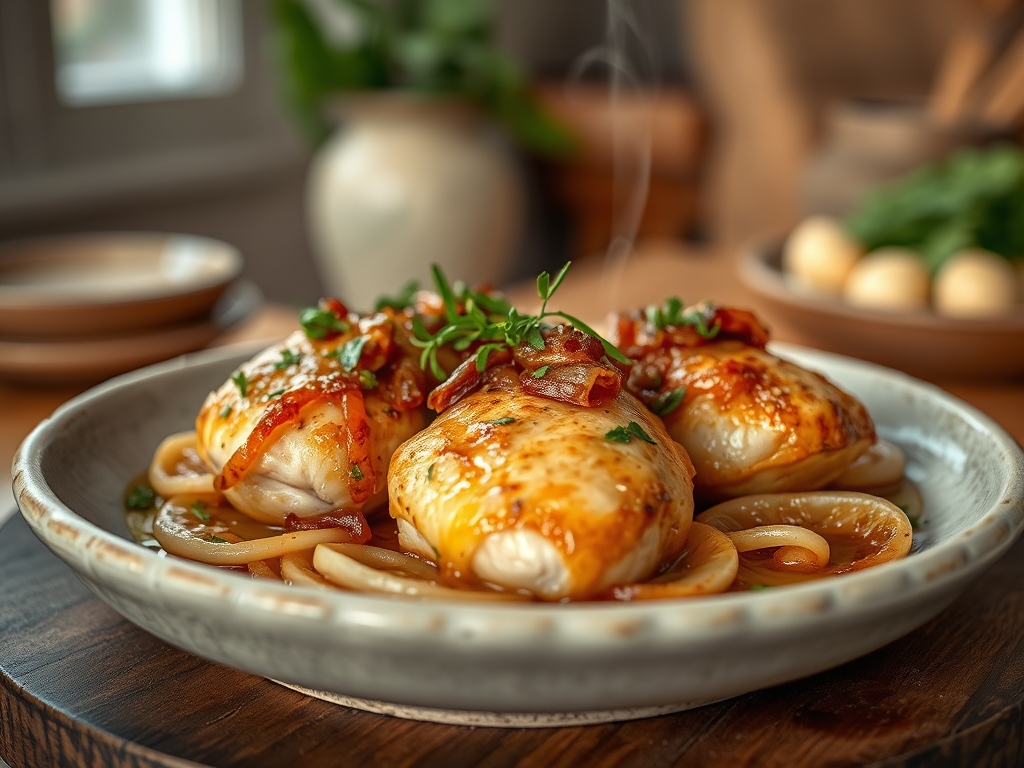
Imagine the scent of slow-cooked yellow onions meeting a hot, heavy-bottomed skillet. It is the smell of patience and chemistry. We are talking about the ultimate comfort food crossover: french onion chicken recipes. This dish takes the soul of a classic Parisian soup and marries it to succulent poultry; creating a meal that feels like a warm hug from a Michelin-starred chef.
The magic lies in the contrast. You have the sharp, piquant bite of raw onions transforming into a jammy, mahogany silk through the power of heat. When that sweetness hits the savory, salty crust of a perfectly seared chicken breast, something transformative happens. This is not just dinner; it is an exploration of the Maillard reaction. Whether you are hosting a candlelit date night or just trying to survive a Tuesday, these french onion chicken recipes offer a depth of flavor that belies their simple ingredients. We are going to master the art of the deglaze and the science of the melt. Grab your favorite apron and a glass of dry sherry; we are about to turn your kitchen into the best bistro in town.
The Gathers:
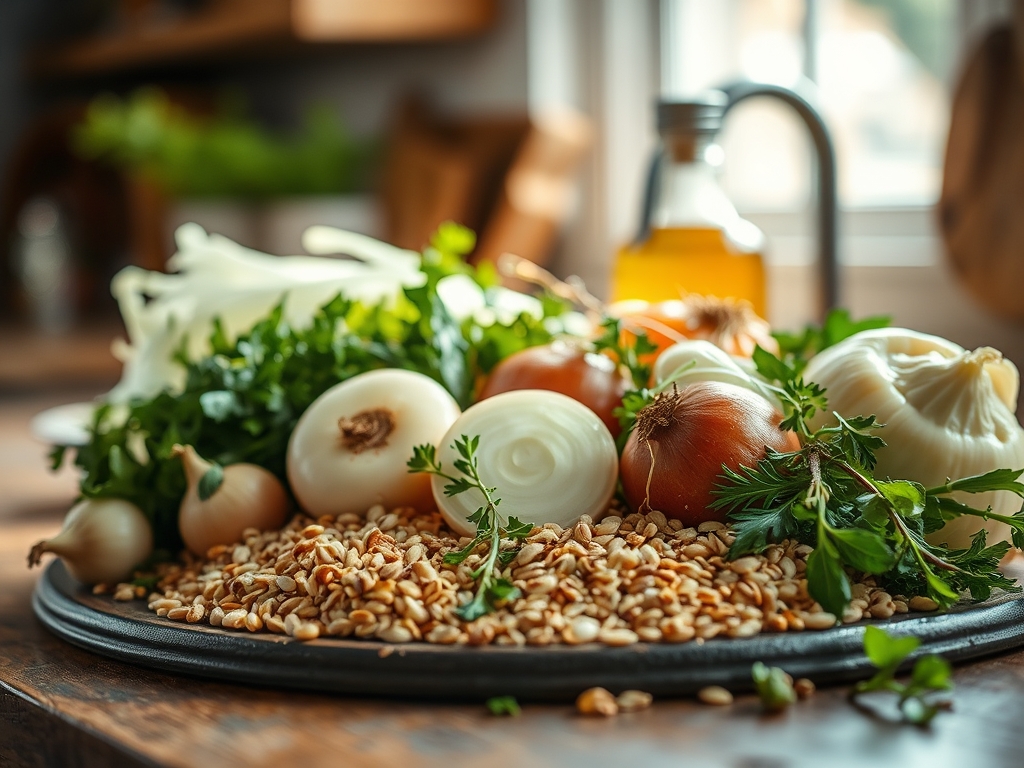
To execute world-class french onion chicken recipes, your mise-en-place must be precise. You will need five to six large yellow onions. Do not reach for the reds here; yellow onions possess the specific sugar-to-sulfur ratio required for deep caramelization. For the protein, use air-chilled chicken breasts or thighs. Air-chilled poultry has less water retention, ensuring your sear is crisp rather than steamed.
Your dairy component is equally vital. Authentic Gruyere is the gold standard for its high fat content and superior meltability. It contains a specific protein structure that stretches without breaking into oil. You will also need a high-quality beef bone broth. Look for one that is gelatin-rich; this provides the viscous mouthfeel that defines the sauce. Fresh thyme, bay leaves, and a splash of dry white wine or sherry are non-negotiable for acidic balance.
Smart Substitutions:
If Gruyere is outside the budget, a mix of Swiss and sharp Provolone provides a similar nutty profile. For a non-alcoholic version, swap the sherry for a tablespoon of white balsamic vinegar diluted in water. This mimics the acidity needed to cut through the heavy lipids of the cheese. Always use a digital scale to measure your flour if you are making a roux; precision prevents a chalky aftertaste.
The Clock:
Mastering the "Chef's Flow" is about overlapping tasks to minimize downtime. Expect a total time of 50 to 60 minutes. The breakdown includes 15 minutes of active prep (slicing and measuring) and 45 minutes of cooking.
The bottleneck in all french onion chicken recipes is the onion caramelization. You cannot rush science. Onions take roughly 25 to 30 minutes to reach that deep amber hue. While the onions soften, you can sear your chicken and prep your cheese. By the time the onions are ready, your chicken is resting, and you are prepared to deglaze. This synchronized rhythm ensures that the chicken stays juicy while the sauce reaches its peak intensity at the exact moment of assembly.
The Masterclass:
1. The Vertical Slice
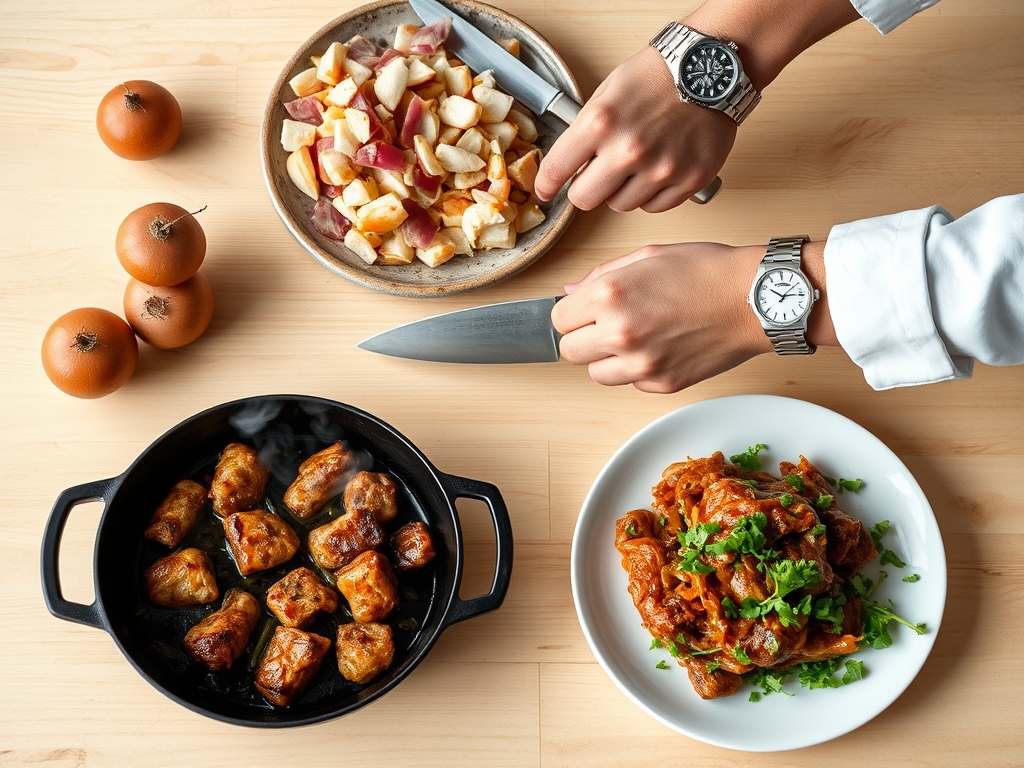
Using a sharp chef knife, slice your onions pole-to-pole rather than in rings. This follows the cellular structure of the vegetable, allowing them to hold their shape during a long simmer.
Pro Tip: This technique prevents the onions from turning into a mushy puree. By keeping the fibers intact, you maintain a structural bite that contrasts with the tender chicken.
2. The Low and Slow Render
Place your onions in a heavy-bottomed skillet with butter and a pinch of salt. The salt draws out moisture through osmosis, allowing the onions to soften before the sugars begin to brown.
Pro Tip: This is enzymatic browning. Do not crowd the pan; if the onions are too deep, they will steam in their own juice rather than caramelizing.
3. The Sear and Fond
Season your chicken and sear it in a separate pan or move the onions aside. You want a golden crust, which is the result of the Maillard reaction between amino acids and reducing sugars.
Pro Tip: Use tongs to flip the meat only once. Constant moving prevents the "crust" from forming, which is where the concentrated savory flavor lives.
4. The Deglaze
Once the chicken is removed, pour your wine or sherry into the hot pan. Use a wooden spoon or bench scraper to lift the "fond" (the brown bits) from the bottom.
Pro Tip: This process captures the concentrated proteins stuck to the pan. The alcohol acts as a solvent, dissolving flavor compounds that water alone cannot reach.
5. The Emulsification
Whisk in your broth and a touch of flour or starch. Simmer until the sauce becomes glossy and coats the back of a spoon.
Pro Tip: This is creating a stable emulsion. The fats from the butter and chicken juices are suspended in the broth, creating a velvety texture that feels luxurious on the palate.
6. The Broil and Melt
Top the chicken with the onion jam and a generous slice of Gruyere. Place it under the broiler until the cheese is bubbling and spotted with brown.
Pro Tip: This is "thermal carryover." The chicken will continue to cook about 5 degrees after you pull it from the heat, so remove it when it hits 160F to reach a perfect 165F.
The Deep Dive:
From a nutritional standpoint, french onion chicken recipes are protein powerhouses. A standard serving provides roughly 35 to 45 grams of protein. While the cheese adds saturated fat, the onions contribute significant fiber and antioxidants like quercetin.
Dietary Swaps:
For a Keto version, omit the flour and use a pinch of xanthan gum to thicken the sauce. For Gluten-Free needs, use a cornstarch slurry or gluten-free all-purpose flour. Vegan adaptations require a bit more work; use "soy curls" or thick cauliflower steaks instead of chicken, and swap the Gruyere for a cashew-based gruyere alternative with nutritional yeast for that "funk."
The Fix-It:
- Bitter Sauce: This usually happens if the onions burned. Add a teaspoon of honey or brown sugar to neutralize the bitterness.
- Broken Sauce: If your sauce looks oily, whisk in a tablespoon of cold water or extra broth vigorously to re-emulsify the fats.
- Tough Chicken: If the meat is rubbery, it was overcooked. Next time, use a digital thermometer to pull the meat at exactly 160 degrees Fahrenheit.
Meal Prep Science:
To reheat, avoid the microwave if possible. The microwave agitates water molecules, which can make the chicken "pop" and turn tough. Instead, use a toaster oven or a covered skillet on low heat. Add a splash of broth to the pan to re-hydrate the viscous sauce, ensuring it returns to its original silky state.
The Wrap-Up:
You have officially graduated from basic cooking to culinary chemistry. French onion chicken recipes are the perfect bridge between technical skill and pure, unadulterated comfort. By understanding the Maillard reaction and the importance of a proper deglaze, you have turned humble pantry staples into a masterpiece. Now, plate that golden chicken, garnish with a sprig of fresh thyme, and enjoy the fruits of your labor. Your kitchen smells like a dream, and your dinner is about to be the talk of the table.
The Kitchen Table:
Can I make this in a slow cooker?
Yes, but you must caramelize the onions in a skillet first. Slow cookers do not reach the temperatures required for the Maillard reaction, meaning your onions will stay pale and lacks the deep, nutty flavor profile of the original dish.
What is the best cheese substitute for Gruyere?
If Gruyere is unavailable, use Comté or a high-quality Emmental. For a sharper profile, a mix of white cheddar and Fontina works well. Ensure the cheese is freshly grated from a block to avoid the anti-clumping agents in pre-shredded bags.
How do I prevent the chicken from drying out?
Use a meat thermometer and sear the chicken quickly over high heat to lock in moisture. Finishing the chicken in the sauce allows it to braise slightly, which keeps the interior fibers tender while the exterior remains flavorful and seasoned.
Can I use red onions instead of yellow?
Red onions have a higher sugar content but a different flavor profile that can turn unappealingly purple when cooked down. Yellow or Spanish onions are preferred for their balanced savory-sweet transition and their ability to melt into a consistent jammy texture.