
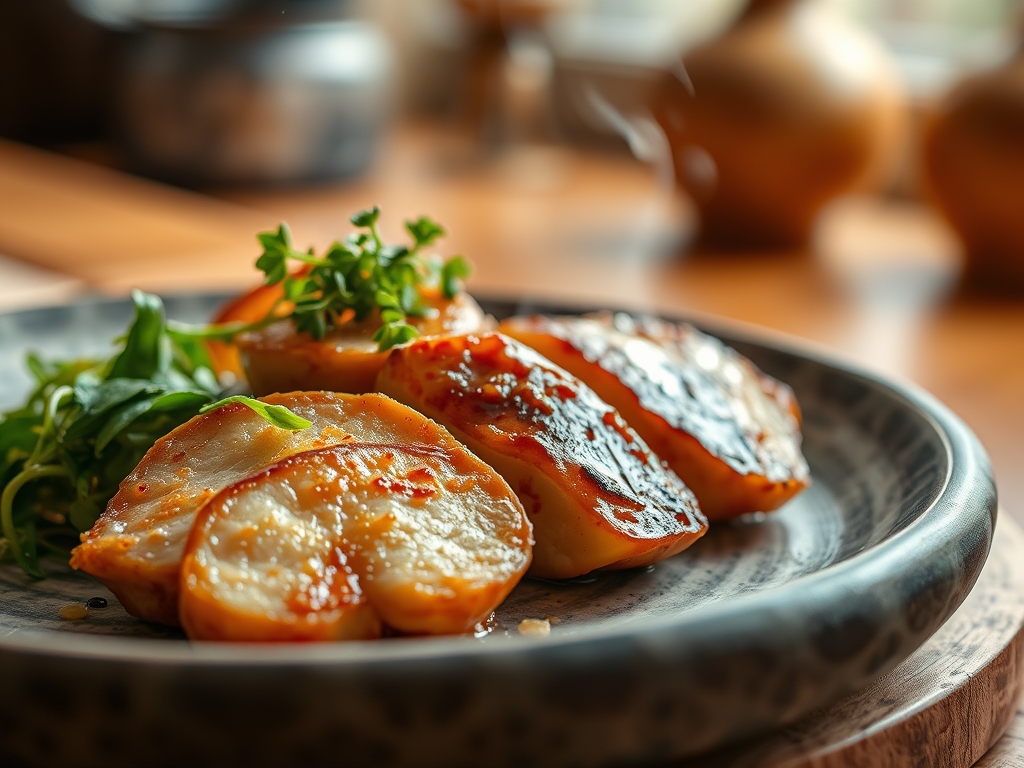
Picture the sound of a heavy-bottomed skillet meeting a high-flame burner while the scent of toasted sesame oil begins to aerate through your kitchen. Japanese poultry dishes are a masterclass in balancing salt, acid, and the elusive fifth taste: umami. When you explore authentic japan chicken recipes, you are not just cooking dinner; you are engaging in a centuries-old tradition of precision and flavor layering. We are going to transform humble thighs and breasts into glazed, crispy, and succulent masterpieces using professional techniques that ensure every bite is a revelation.
To master these dishes, you must understand the chemistry of the ingredients. We are looking for that perfect Maillard reaction, where proteins and sugars transform under heat to create complex, savory compounds. Whether you are craving the crunch of Karaage or the silky glaze of Teriyaki, the secret lies in the quality of your aromatics and the timing of your heat application. This guide will walk you through ten foundational recipes that define the Japanese kitchen, from street food staples to elegant home-cooked comfort. Grab your apron and your sharpest knife; we are diving into the art of the perfect bird.
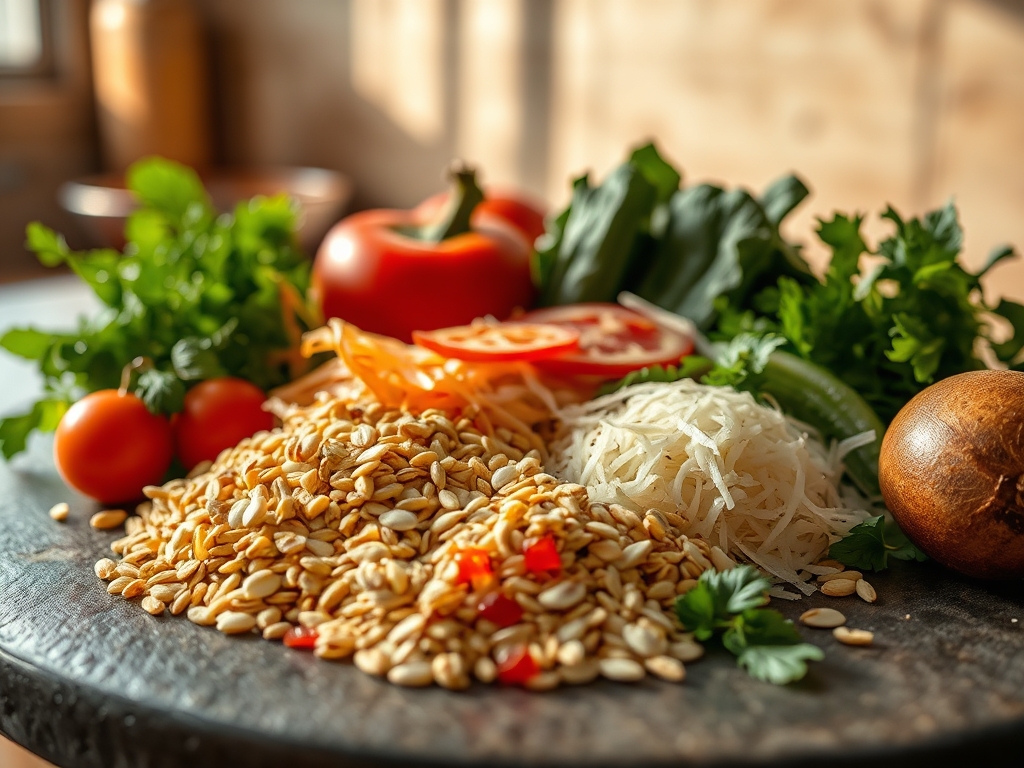
The Gathers:
Before we ignite the stove, we must assemble our mise-en-place. The backbone of most japan chicken recipes consists of four pillars: Shoyu (soy sauce), Mirin (sweet rice wine), Sake (dry rice wine), and sugar. Shoyu provides the salinity and amino acids necessary for depth. Mirin offers a viscous texture and a gentle sweetness that helps create a glossy sheen on your finished sauces. Sake acts as a tenderizer; its alcohol content breaks down tough fibers while neutralizing any "gamey" odors from the poultry.
You will also need high-quality aromatics. Fresh ginger should be grated using a microplane to release its piquant juices without leaving woody fibers behind. Garlic should be crushed to maximize the release of allicin, the compound responsible for its pungent kick. For fats, use a neutral oil with a high smoke point like grapeseed or canola, and finish with toasted sesame oil for its nutty, volatile aromas.
Smart Substitutions:
If you are out of Mirin, use white wine or dry sherry mixed with a teaspoon of sugar per tablespoon of liquid. If you need a gluten-free option, swap Shoyu for Tamari; it provides the same fermented richness without the wheat. For those watching sugar intake, monk fruit sweetener mimics the caramelization of cane sugar surprisingly well in a reduction. Always weigh your ingredients on a digital scale for consistency; Japanese cooking is a game of ratios.
The Clock: Chef's Flow
Efficiency in the kitchen is about managing your "Chef's Flow." For most of these recipes, the active prep time is approximately 20 minutes, while cooking ranges from 10 to 30 minutes. However, the secret ingredient is often time itself. Marination is not just about flavor; it is about osmosis. Giving your chicken at least 30 minutes to bathe in a saline-rich marinade allows the salt to penetrate the muscle fibers, ensuring the interior is as seasoned as the exterior.
Start by prepping your vegetables and sauces first. Use a bench scraper to clear your cutting board as you go; a clean workspace leads to a focused mind. Once your poultry is prepped and marinating, you can focus on your rice or side dishes. This staggered approach ensures that everything hits the table at the optimal temperature. Remember, the chicken needs to rest for at least five minutes after cooking to allow the juices to redistribute through the tissue.
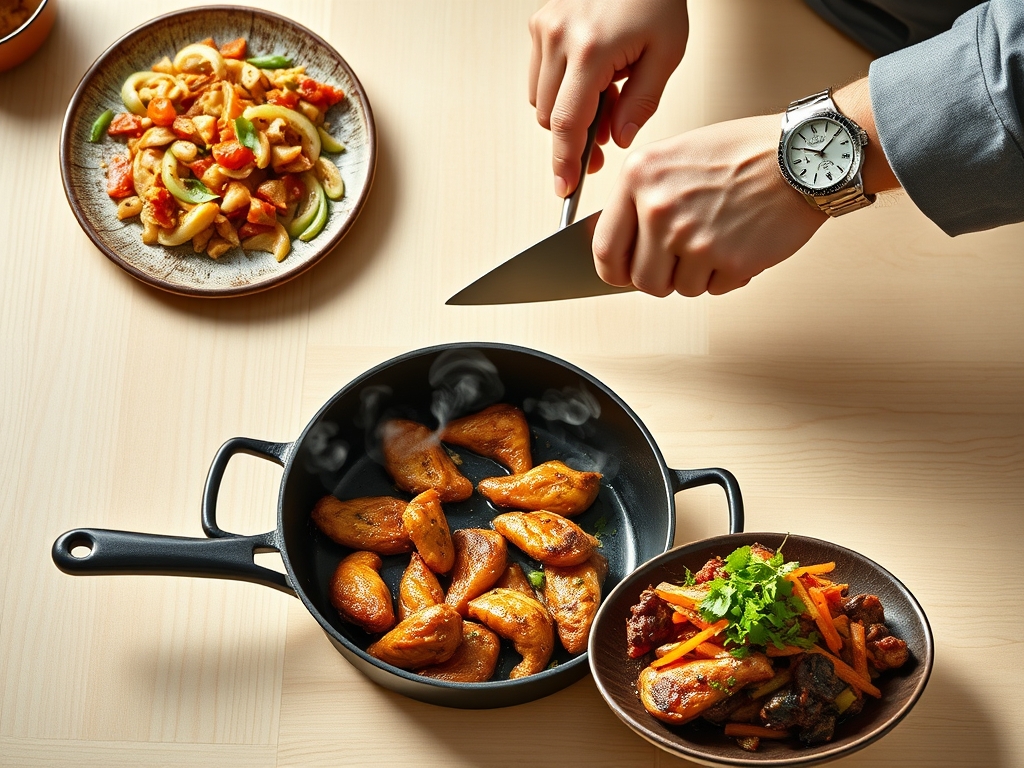
The Masterclass:
1. The Precision Sear
Pat your chicken skin bone-dry with paper towels before it touches the pan. Moisture is the enemy of the Maillard reaction; any surface water will turn to steam and prevent browning. Use a heavy-bottomed skillet to ensure even heat distribution.
Pro Tip: This technique relies on thermal conductivity. By removing moisture, you allow the surface temperature to rise rapidly above 285 degrees Fahrenheit, triggering the chemical reaction that creates savory crusts.
2. The Deglaze and Emulsify
After searing, remove excess fat and add your liquid base (Sake and Shoyu). Use a wooden spoon to scrape up the "fond," those caramelized brown bits stuck to the bottom of the pan.
Pro Tip: This is called deglazing. The alcohol in the Sake acts as a solvent, dissolving flavor compounds that are not water-soluble, while the agitation creates a temporary emulsion for a silky sauce.
3. The Glaze Reduction
Simmer your sauce until it reaches a "nappe" consistency, meaning it is thick enough to coat the back of a spoon. If the sauce is too thin, it will slide off the chicken; if too thick, it will become bitter and overly salty.
Pro Tip: As water evaporates, the sugar concentration increases, leading to pyrolysis (caramelization). Watch for large, viscous bubbles; this indicates the water is gone and the sugars are beginning to transform.
4. The Resting Phase
Transfer the chicken to a warm plate and let it sit. This is the most skipped step, but it is the most vital for texture.
Pro Tip: Utilize thermal carryover. The internal temperature will continue to rise by 5 to 10 degrees after you remove it from the heat. Resting allows the muscle fibers to relax and reabsorb the internal moisture.
The Deep Dive:
When we look at the macro nutrition of these japan chicken recipes, we see a high-protein profile balanced by the carbohydrates in the rice and the fermented benefits of the soy. A standard serving of Teriyaki chicken provides roughly 35 grams of protein and 12 grams of fat. To make these recipes Keto-friendly, replace the sugar with erythritol and serve over cauliflower rice. For a vegan twist, firm tofu or seitan can be treated with the exact same marination and searing techniques to achieve a similar umami profile.
The Fix-It:
- Rubbery Chicken: This usually happens from overcooking or skipping the marinade. Fix it by slicing the meat thin and tossing it in a warm, buttery sauce to add exogenous moisture.
- Burnt Sauce: If your glaze goes too far and turns bitter, you cannot "un-burn" it. However, you can balance a slightly over-reduced sauce by adding a splash of dashi or water and a pinch of acidity, like rice vinegar.
- Soggy Breading: For fried dishes like Karaage, soggy skin results from low oil temperature. Ensure your oil stays at 350 degrees Fahrenheit using a digital thermometer.
Meal Prep Science:
To maintain "day-one" quality when reheating, avoid the microwave if possible. The microwave agitates water molecules, often making the chicken "rubbery." Instead, use a toaster oven or a saucier on the stovetop with a tablespoon of water to create steam, which gently rehydrates the proteins without toughening them.
The Wrap-Up:
You are now equipped with the technical prowess to turn your kitchen into a high-end izakaya. Mastering japan chicken recipes is about respecting the ingredients and understanding the physics of the pan. From the way you grate your ginger to the moment you let the meat rest, every detail contributes to a dish that is far greater than the sum of its parts. Go forth, experiment with these ratios, and remember that the best meals are the ones shared with a bit of wit and a lot of heart.
The Kitchen Table:
What is the best cut of chicken for Japanese cooking?
Chicken thighs are preferred for their higher fat content and connective tissue. This allows them to remain succulent and flavorful during high-heat searing or long simmering, whereas breast meat can dry out quickly.
Can I make these recipes without Sake?
Yes, you can substitute Sake with dry white wine or a splash of water mixed with rice vinegar. The goal is to provide an acidic component that balances the salt and helps tenderize the protein fibers.
How do I get my Teriyaki sauce to shine?
The "shine" comes from the reduction of Mirin and sugar. As the water evaporates, the sugars become more concentrated and viscous, creating a glossy coating that clings to the chicken.
Why is my Karaage not crispy?
Crispiness depends on a dry starch coating and consistent oil temperature. Use potato starch (katakuriko) for a lighter, crunchier texture, and ensure your oil does not drop below 325 degrees Fahrenheit during frying.