
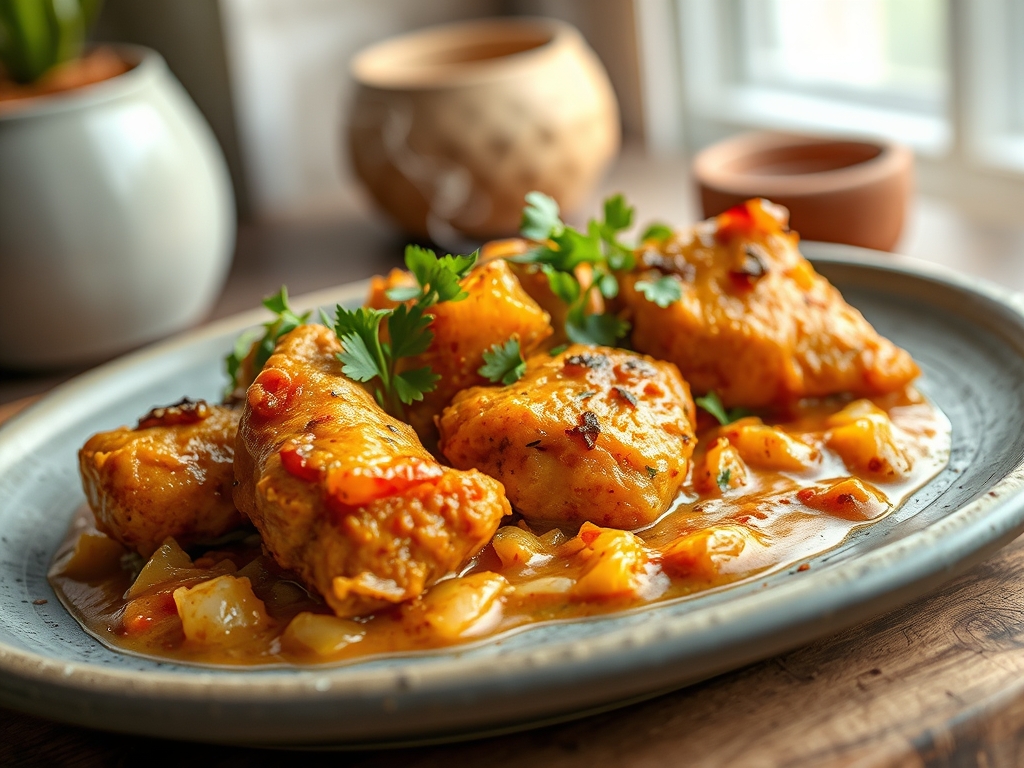
Picture the steam rising from a heavy bottomed skillet; it is a fragrant, golden cloud that carries the scent of toasted cumin and sharp ginger. When you are hunting for the best curry chicken recipes, you are not just looking for dinner; you are looking for that specific, soul warming alchemy where spice meets silk. The secret to a world class curry is not a hidden ingredient but a series of precise chemical reactions that transform humble poultry into a masterpiece. Whether you crave the piquant bite of a Madras or the velvety luxury of a butter chicken, mastering these six variations will turn your kitchen into a sanctuary of flavor. We are diving deep into the mechanics of heat and fat to ensure every bite is better than the last. Let us move past the basic powders and explore how to layer flavors like a professional chef, ensuring your repertoire of the best curry chicken recipes is unrivaled in both depth and technique.
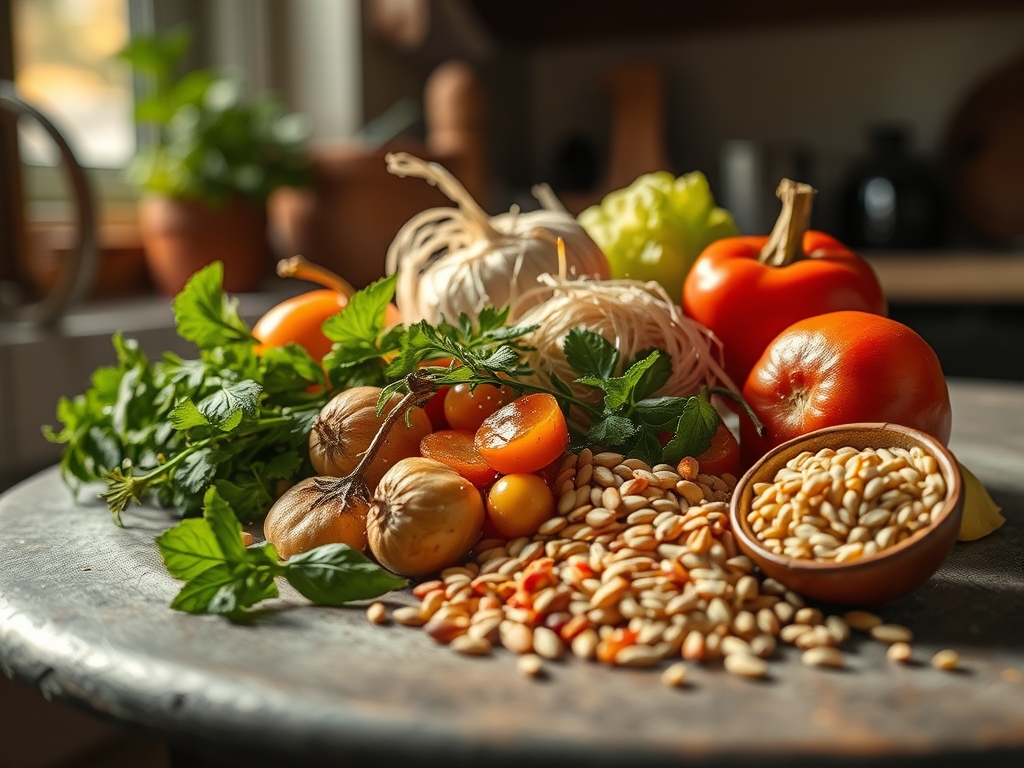
The Gathers:
Before we ignite the burner, we must respect the mise en place. Professional results require a deep understanding of your raw materials. Your primary protein should be boneless, skinless thighs; they contain more connective tissue than breasts, which breaks down into gelatin to create a more viscous sauce. You will need a high quality microplane to grate fresh turmeric and ginger into a fine paste, ensuring the essential oils are released without fibrous chunks.
The aromatics are the foundation. Use a digital scale to measure your whole spices; weight is always more accurate than volume when dealing with varying seed sizes. You will need coriander seeds, green cardamom pods, and cinnamon sticks. For the liquid phase, choose a high fat coconut milk or a heavy cream to ensure a stable emulsion that wont break under high heat.
Smart Substitutions:
If you lack fresh galangal, use a mix of ginger and a squeeze of lime to mimic that sharp, citrusy heat. For those avoiding dairy, cashew cream provides the same lipid profile as heavy cream without the lactose. If you find yourself without a traditional mortar and pestle, use a heavy bottomed saucepan to crush your spices against a cutting board to release those volatile aromatics before they hit the oil.
The Clock
Efficiency in the kitchen is about the Chef's Flow. For these recipes, expect a fifteen minute prep window followed by a thirty minute active cook time. The "Flow" involves a specific sequence: while the chicken marinate is undergoing enzymatic tenderization, you should be dicing your aromatics with a sharp chef's knife.
The goal is to have your "dry" work finished before the "wet" work begins. This prevents cross contamination and ensures that once the chicken hits the pan, you can focus entirely on temperature control. Remember that curry is a "low and slow" game once the liquids are added; rushing the simmer will result in tough protein and a thin, watery sauce.
The Masterclass
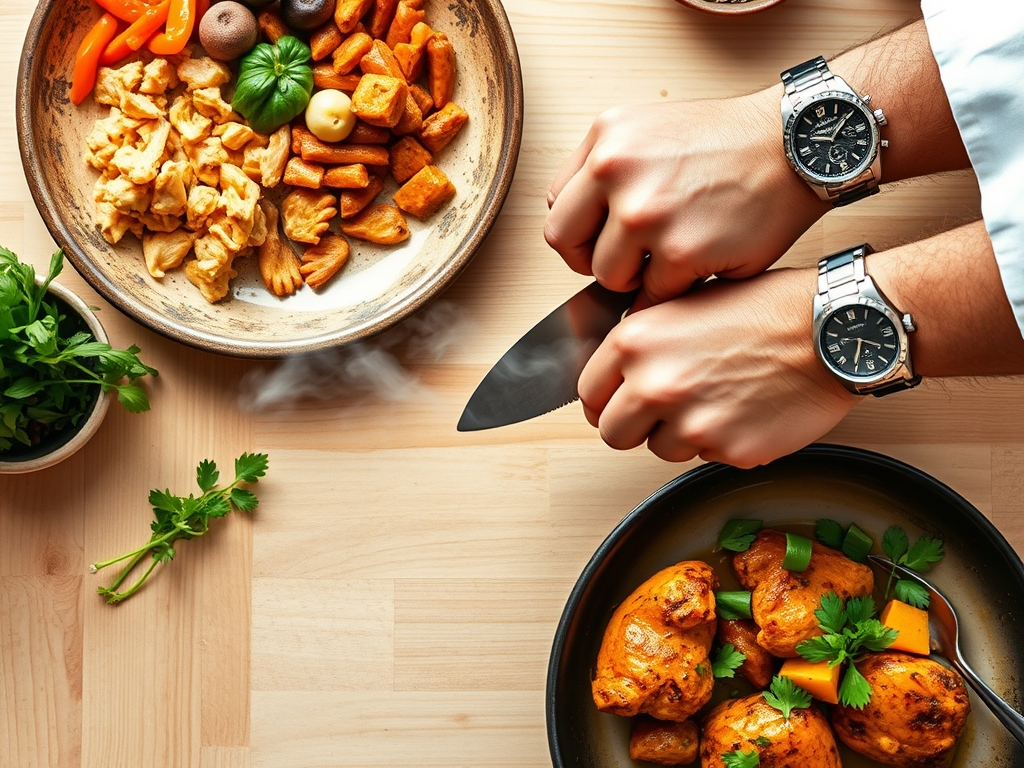
1. The Sear and Render
Place your chicken in a hot saucier with a high smoke point oil like ghee or avocado oil. Do not crowd the pan. You want to achieve a deep golden crust through the Maillard reaction, which creates hundreds of different flavor compounds.
Pro Tip: This is about thermal carryover. Remove the chicken when it is 80 percent cooked. It will finish gently in the sauce later, preventing the fibers from becoming stringy and dry.
2. Blooming the Spices
Add your whole spices to the remaining fat in the pan. Watch for the seeds to "pop" or sizzle. This process, known as tempering, dissolves the fat soluble flavor molecules into the oil, which then carries those flavors throughout the entire dish.
Pro Tip: Spices contain volatile oils that degrade with oxygen. By heating them in fat, you infuse the medium, creating a flavor base that is far more potent than adding spices to a liquid.
3. Deglazing the Fond
Once your onions are translucent, use a splash of stock or wine to deglaze the pan. Use a wooden spoon or a bench scraper to lift the brown bits (the fond) from the bottom. These bits are concentrated umami gold.
Pro Tip: This step utilizes solvent extraction. The liquid dissolves the caramelized proteins stuck to the metal, integrating that savory depth back into your sauce.
4. Emulsifying the Base
Slowly whisk in your coconut milk or cream. You are looking to create a stable emulsion where the fats and water based liquids stay bonded. Keep the heat at a gentle simmer; a rolling boil can cause the proteins in dairy to curdle.
Pro Tip: To prevent breaking, ensure your fats are at room temperature before adding them to the hot pan. This minimizes thermal shock, which is the leading cause of grainy sauces.
5. The Final Reduction
Return the chicken to the pan and let it simmer until the sauce coats the back of a spoon. This is the reduction phase, where water evaporates and the flavors become more concentrated and the texture becomes more viscous.
Pro Tip: Use the "Spoon Test." If you can draw a clear line through the sauce on the back of a spoon with your finger, you have achieved the perfect viscosity and protein suspension.
The Deep Dive
Macro Nutrition:
A standard serving of these curry dishes provides approximately 35g of protein, 12g of healthy fats (from coconut or ghee), and 8g of carbohydrates. To keep it Keto, serve over cauliflower rice. For a Vegan version, swap chicken for chickpeas or firm tofu, which also provide excellent amino acid profiles.
The Fix-It:
- Too Salty? Add a peeled, halved potato. The starch acts as a molecular sponge, absorbing excess sodium.
- Too Thin? Whisk in a teaspoon of cornstarch slurry or a tablespoon of Greek yogurt to add body without altering flavor.
- Too Bitter? This usually happens from burning the garlic. Add a teaspoon of honey or brown sugar to balance the pH and mask the bitterness.
Meal Prep Science:
Curry is famous for tasting better the next day. This is due to flavor maturation, where the spices continue to diffuse into the fats and proteins even after cooling. When reheating, use a low heat on the stove and add a tablespoon of water to rehydrate the starches, ensuring "day-one" silkiness.
The Wrap-Up
Mastering the best curry chicken recipes is a journey through the senses and the sciences. By understanding how to bloom your spices, render your fats, and emulsify your sauces, you elevate a simple weeknight meal into a culinary event. These six variations offer a spectrum of heat and texture that will satisfy any palate. So, grab your favorite heavy bottomed skillet, sharpen your knives, and start experimenting with the vibrant, complex world of curry. Your kitchen is about to become the most popular spot in the house.
The Kitchen Table
How do I make my curry sauce thicker?
To increase viscosity, allow the sauce to simmer uncovered to evaporate excess water. Alternatively, stir in a slurry of cornstarch and cold water, or add a dollop of full fat yogurt or coconut cream at the end of cooking.
Why is my chicken tough in the curry?
Toughness usually results from overcooking or boiling the meat too vigorously. For the best results, sear the chicken quickly to develop flavor, then finish it gently in the simmering sauce until it reaches an internal temperature of 165 degrees Fahrenheit.
Can I use curry powder instead of whole spices?
While whole spices offer more depth, a high quality curry powder is a functional substitute. To maximize flavor, bloom the powder in hot oil for thirty seconds before adding liquids to release the fat soluble aromatics and eliminate any raw, dusty taste.
How do I fix a curry that is too spicy?
Balance the heat by adding a fat or an acid. Dairy products like heavy cream or yogurt neutralize capsaicin, while a squeeze of lime juice or a teaspoon of sugar can distract the palate and provide a more rounded flavor profile.