
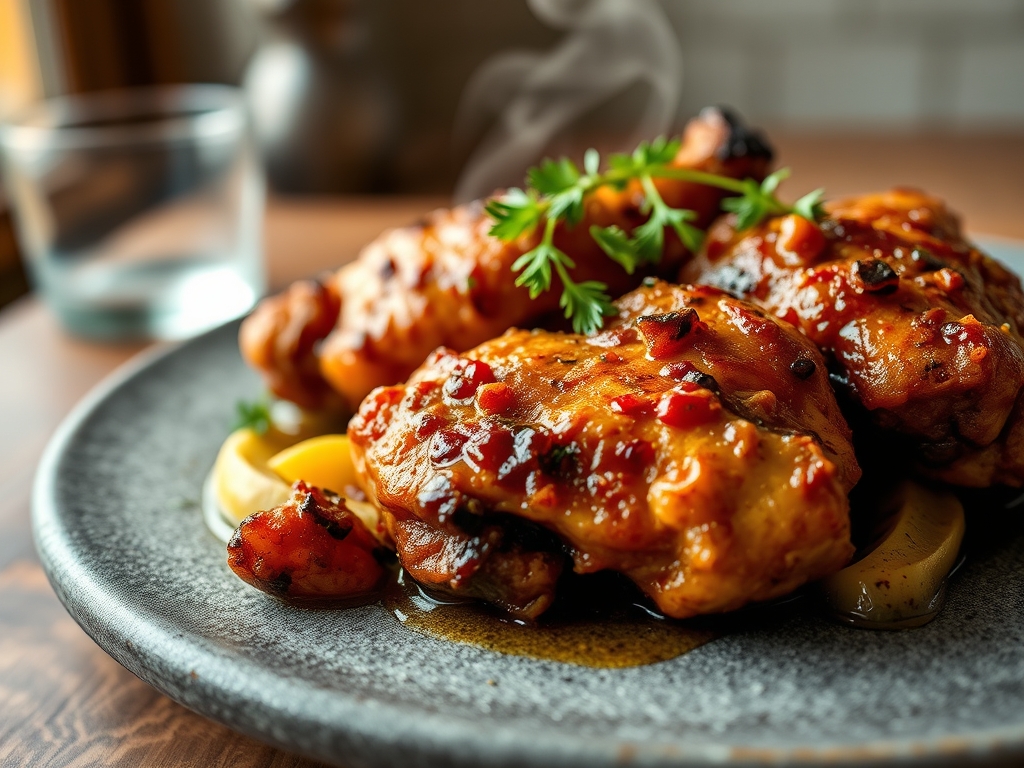
Picture this: the sun is setting, your backyard is glowing, and the air is thick with the scent of searing protein and caramelized onions. There is a specific, primal joy in the sizzle of a flat top grill that a standard stove just cannot replicate. When you dive into the world of blackstone chicken recipes, you are not just cooking dinner; you are managing a high heat stage where the Maillard reaction is the star of the show. We are talking about that golden brown crust that locks in juices while providing a crunch that resonates in your teeth. Whether you are whipping up a batch of street tacos or a sophisticated lemon herb medallions spread, the flat top is your secret weapon for efficiency and flavor. It is time to move beyond the basic grilled breast and embrace the versatility of a seasoned steel surface. We are going to master the art of the sear, ensuring every bite is a masterclass in texture and taste.
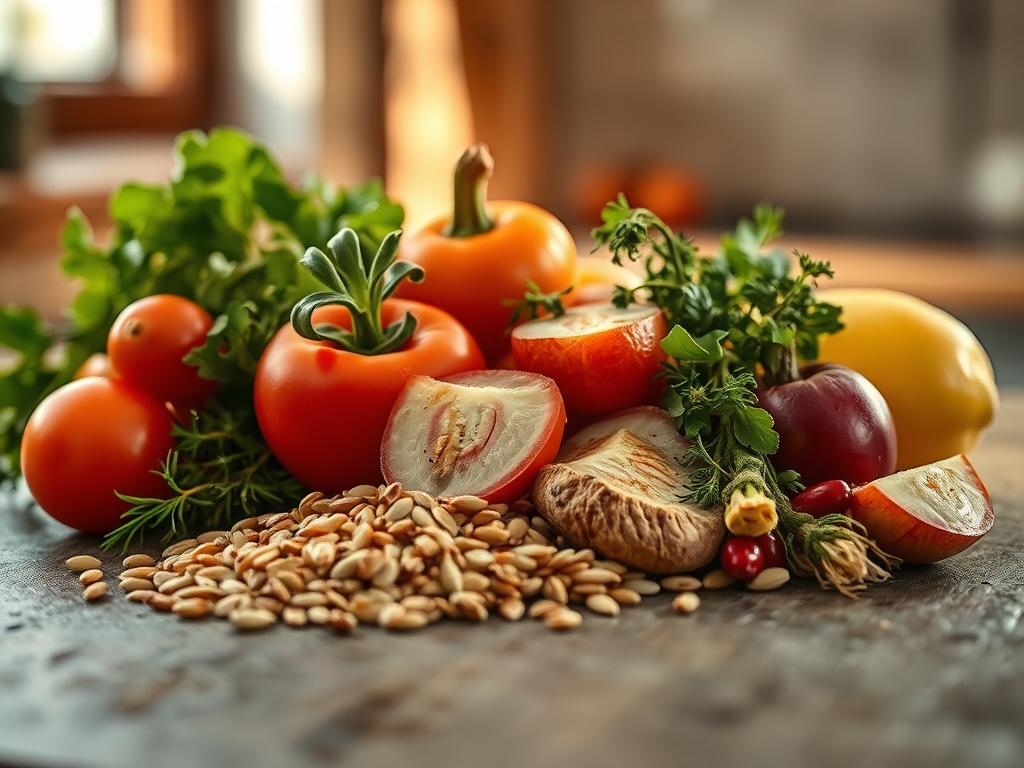
The Gathers:
Setting up your station is more than just organization; it is about chemical readiness. For these blackstone chicken recipes, your mise-en-place should look like a vibrant laboratory of flavors. You will need high smoke point oils like avocado or grapeseed oil to prevent the lipids from breaking down into acrid compounds at 450 degrees Fahrenheit. Gather your aromatics: freshly minced garlic, translucent shallots, and ginger that has been processed through a microplane to maximize surface area and oil release.
Your chicken should be patted dry with lint free towels to remove surface moisture. This is vital because water is the enemy of the sear; it creates a steam barrier that prevents browning. For seasonings, think beyond salt. Use smoked paprika for depth, cumin for an earthy base, and a touch of cornstarch if you want that extra crispy "shatter" on the skin.
Smart Substitutions:
If you are looking to lighten things up, swap out chicken thighs for breast meat, but ensure you use a digital scale to portion them evenly for consistent cooking. For a plant based twist, firm pressed tofu or seitan strips behave remarkably well on the flat top, provided you use a saucier to prepare a highly viscous glaze that will cling to the protein. If you lack fresh citrus, a pinch of citric acid or a splash of verjus can provide that piquant brightness without adding excess liquid to the hot steel.
The Clock: Timing Your Culinary Flow
Efficiency is the heartbeat of flat top cooking. The "Chef's Flow" is all about managing heat zones. You should anticipate about 15 minutes of active prep time: slicing, marinating, and organizing your tools. The actual cook time for most blackstone chicken recipes is surprisingly fast, usually clocking in between 8 to 12 minutes.
The secret is the preheat. Give your Blackstone at least 10 minutes to reach a steady state of thermal radiation. While the chicken renders, you can utilize the cooler edges of the grill to toast buns or soften delicate vegetables. This parallel processing ensures that every component of the meal reaches the plate at the peak of its thermal window.
The Masterclass:
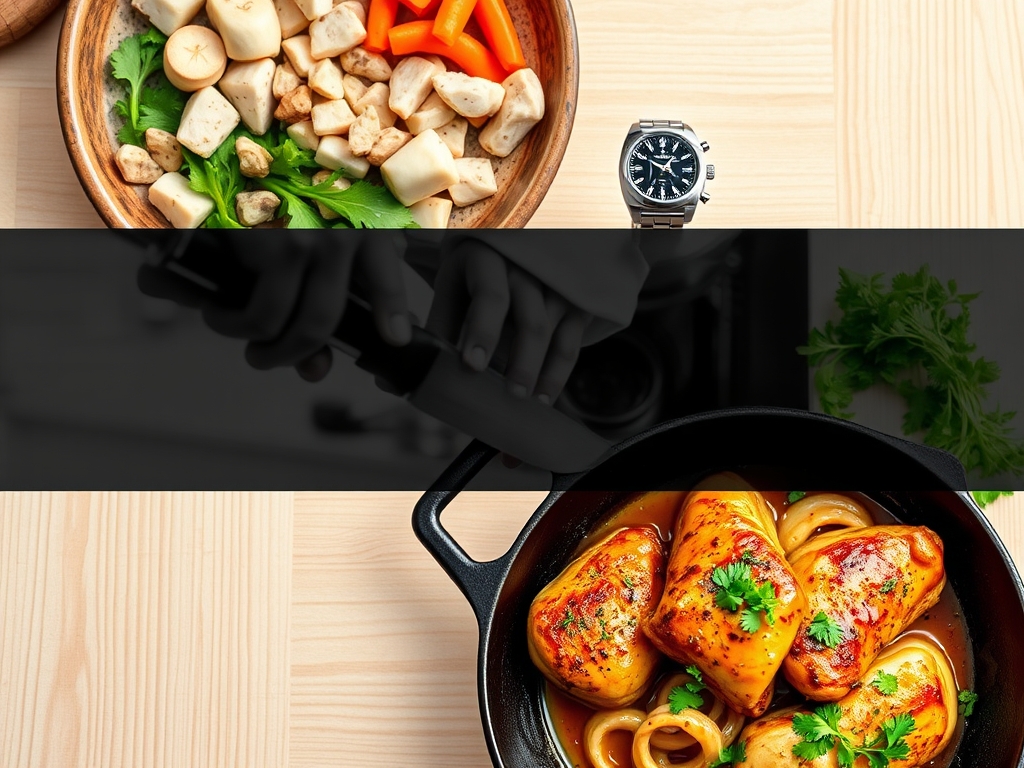
1. The Thermal Foundation
Apply a thin, even layer of oil across the surface using a bench scraper to distribute it. Place your chicken down and do not touch it.
Pro Tip: This allows for enzymatic browning, where amino acids and reducing sugars rearrange into complex flavor molecules. Moving the meat too early tears the protein fibers before they can cleanly release from the steel.
2. The Press and Sear
Use a heavy grill press or the back of your tongs to ensure maximum contact between the meat and the heat source.
Pro Tip: Increasing the pressure facilitates conduction, the most efficient form of heat transfer. This ensures the heat penetrates the center of the meat before the exterior overcooks.
3. Zonal Management
Move the chicken to a medium heat zone once the initial crust has formed. This allows the interior to reach the target temperature without burning the outside.
Pro Tip: This prevents thermal carryover from becoming excessive. If you cook at high heat until the very end, the internal temperature will continue to rise by 5 to 10 degrees after removal, potentially drying out the meat.
4. The Deglaze and Infuse
In the final two minutes, toss on a knob of butter and a splash of liquid, such as chicken stock or white wine, directly onto the meat.
Pro Tip: The resulting steam flash infuses the meat with moisture and helps to deglaze the flavorful fond (browned bits) from the grill surface, coating the chicken in a natural pan sauce.
5. The Rest and Redistribution
Transfer the chicken to a warm cutting board and let it sit for at least five minutes before slicing.
Pro Tip: Resting allows the muscle fibers to relax and reabsorb the internal juices. If you cut it immediately, the viscous juices will run out, leaving the protein dry and tough.
The Deep Dive:
From a macro nutrition perspective, blackstone chicken recipes are a powerhouse of lean protein. A standard 6 ounce serving provides roughly 42 grams of protein with minimal carbohydrates, depending on your marinade. To keep it Keto, focus on fats like ghee or tallow. For a Vegan adaptation, use cauliflower steaks seasoned with nutritional yeast to mimic the savory profile of poultry.
The Fix-It: Troubleshooting Your Grill Session
- The Stick: If the chicken is clinging to the surface, it is likely because the grill wasn't hot enough or you didn't use enough fat. Use your bench scraper to gently get under the crust and add a drop of oil nearby.
- The Burn: If the exterior is black but the inside is raw, your heat is too high. Move the chicken to the outermost edge and cover it with a metal dome to create an oven effect.
- The Rubber: Rubbery chicken usually results from overcrowding. When you crowd the grill, the temperature drops and the meat boils in its own juices. Cook in smaller batches to maintain that high heat sear.
Meal Prep Science: To maintain "day one" quality when reheating, avoid the microwave. Instead, use a heavy-bottomed skillet on medium heat with a teaspoon of water and a lid. This gently steams the meat back to temperature without denaturing the proteins further.
The Wrap-Up:
Mastering blackstone chicken recipes is about more than just a meal; it is about understanding the physics of heat and the chemistry of flavor. By controlling your zones, respecting the sear, and using the right tools, you transform a simple bird into a culinary event. Go ahead and fire up that flat top; your kitchen is now the hottest ticket in town. Experiment with textures, play with acidity, and never be afraid to let that chicken sizzle.
The Kitchen Table:
How do I keep chicken from getting dry on the Blackstone?
Always use a meat thermometer to pull the chicken at 160 degrees Fahrenheit. The thermal carryover will bring it to the safe 165 mark while resting, ensuring the juices remain trapped within the protein structure for a succulent finish.
What is the best oil for blackstone chicken recipes?
Opt for oils with high smoke points like avocado, peanut, or grapeseed oil. These fats can withstand the 400 plus degree temperatures required for a proper sear without breaking down into bitter, smoky compounds that ruin the flavor.
Can I cook frozen chicken directly on the flat top?
It is not recommended. Frozen meat releases too much moisture as it thaws, which prevents the Maillard reaction and leads to a rubbery texture. Always thaw completely and pat dry to ensure a crisp, golden brown exterior.
How do I clean the Blackstone after cooking chicken?
While the surface is still warm, use a bench scraper to remove debris. Apply a small amount of water to steam off stubborn bits; then wipe with oil to maintain the seasoning and prevent oxidation on the steel plate.