
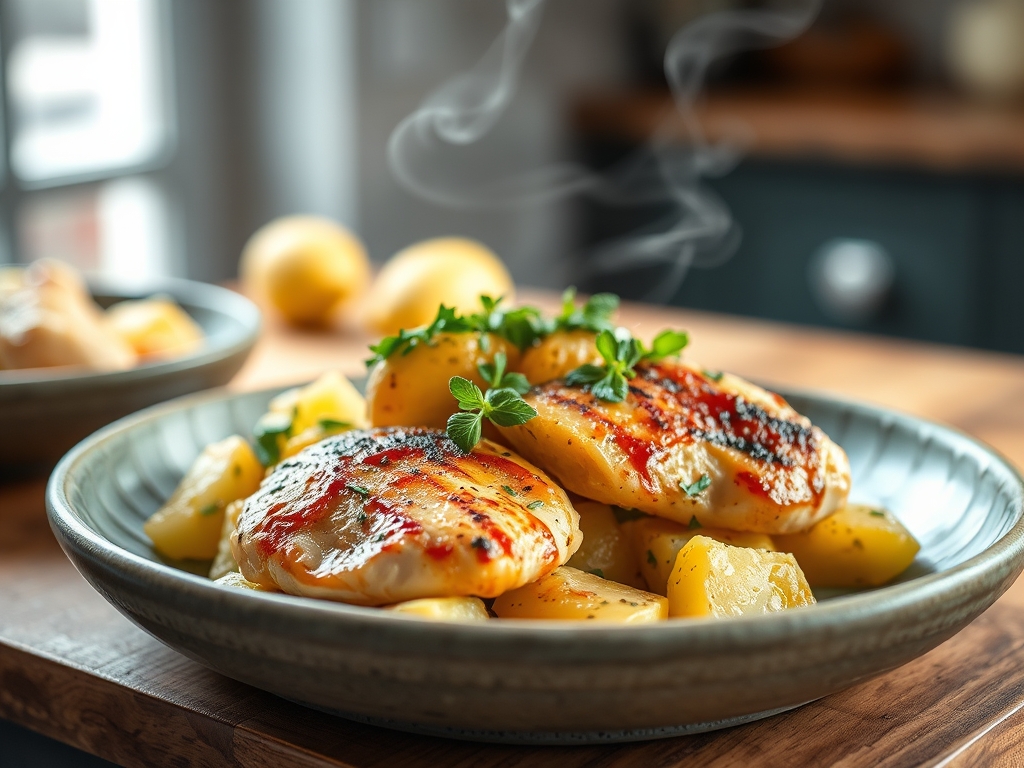
Picture a kitchen flooded with golden hour light where the air is heavy with the scent of charred oregano and rendered poultry fat. There is a specific magic found in the alchemy of lemon juice and olive oil hitting a hot pan. Mastering greek chicken and potato recipes requires more than a sheet pan; it demands an understanding of how acid tenderizes protein while starch absorbs liquid gold. We are moving beyond basic roasting into the realm of professional texture and piquant flavor profiles.
The secret to a truly transformative roast lies in the tension between the crispy skin and the creamy, fondant-like interior of the potato. When you look at the vibrant colors in your roasting tin, you are seeing a chemical celebration. The lemon juice acts as a surfactant, breaking down the tough connective tissues in the meat, while the high heat initiates the Maillard reaction. This is the process where amino acids and reducing sugars create that deep, savory crust we crave. Whether you are hosting a frantic weeknight dinner or a slow Sunday feast, these techniques ensure your kitchen smells like a Mediterranean villa.
The Gathers:
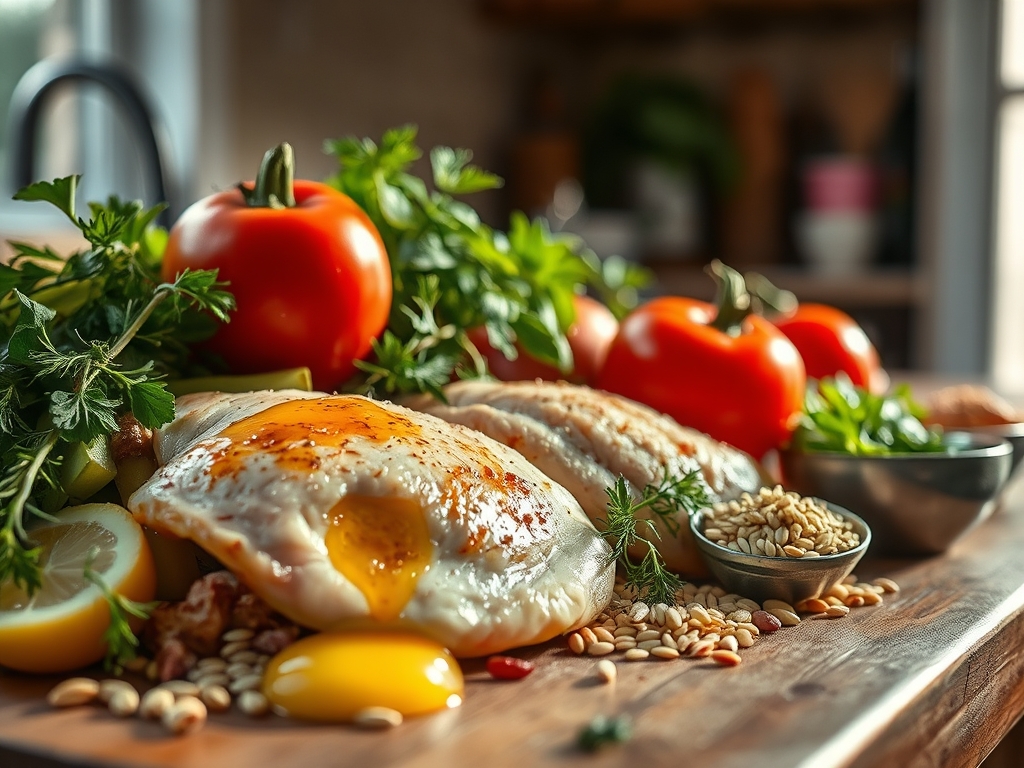
To execute these greek chicken and potato recipes with precision, your mise-en-place must be flawless. Start with bone-in, skin-on thighs. The bone acts as a thermal conductor, ensuring the meat cooks evenly from the inside out, while the skin provides the necessary lipids to fry the potatoes in situ. You will need a high-quality extra virgin olive oil with a low acidity level; look for labels indicating a single-origin harvest for the most viscous mouthfeel.
Your aromatics are the backbone of this dish. Use a microplane to zest three large lemons, ensuring you avoid the bitter white pith. Fresh oregano is non-negotiable here; its volatile oils are far more potent than the dried variety. For the potatoes, choose a high-starch variety like a Yukon Gold. These have a medium starch content that allows them to hold their shape while absorbing the chicken juices.
Smart Substitutions:
If you are out of fresh oregano, a blend of dried marjoram and thyme can mimic the earthy profile. For a lower glycemic index, swap the potatoes for cauliflower florets, though you must reduce the roasting time by fifteen minutes to avoid mushiness. If you prefer a leaner profile, chicken breasts can work, but you must keep the skin on to prevent the meat from becoming desiccated during the high-heat roast.
The Clock:
Efficiency in the kitchen is about the Chef's Flow, which is the logical sequencing of tasks to minimize downtime. Your total active prep time should sit comfortably at 20 minutes, with a roasting time of 45 to 55 minutes depending on the calibration of your oven.
Begin by marinating the chicken. Even a 15-minute soak in the lemon-garlic emulsion makes a difference in moisture retention. While the protein rests, use a bench scraper to quickly clear your cutting board of potato peels and garlic skins. This keeps your workspace sanitary and organized. The "Flow" dictates that you preheat your oven to 425 degrees Fahrenheit the moment you walk into the kitchen. A roaring hot oven is the only way to achieve the necessary thermal shock for crispy skin.
The Masterclass:
1. The Emulsion Phase
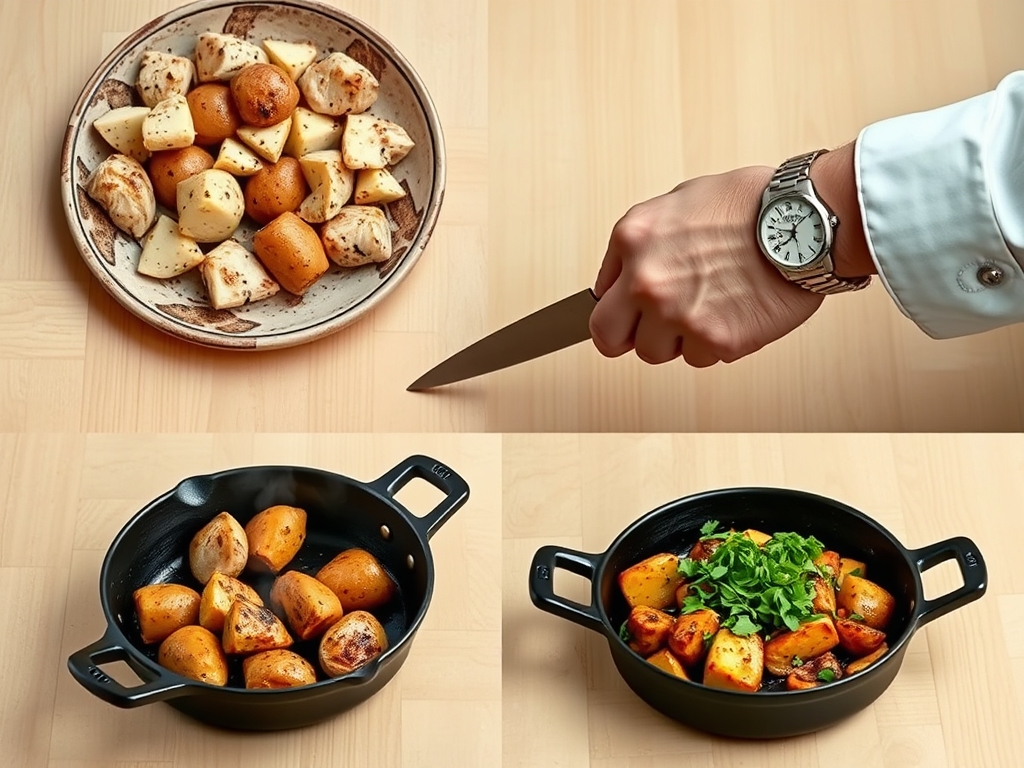
In a small saucier or glass bowl, whisk together the olive oil, lemon juice, minced garlic, and herbs. You are looking to create a temporary emulsion where the oil and acid are suspended together. This ensures every millimeter of the chicken is coated in a uniform layer of flavor.
Pro Tip: This emulsification process is vital because oil-based flavors (like oregano) and water-based flavors (like lemon) do not naturally mix. Whisking them vigorously creates a cohesive marinade that clings to the food rather than sliding off.
2. The Potato Foundation
Slice your potatoes into uniform wedges. If the sizes vary, the smaller pieces will carbonize before the larger ones reach a creamy consistency. Toss them directly in the roasting pan with a generous dusting of kosher salt. The salt draws out surface moisture, allowing the starch to gelatinize more effectively once the heat hits.
Pro Tip: This is known as osmotic dehydration. By salting the potatoes early, you ensure the interior is seasoned and the exterior is primed for a crunchier finish.
3. Nestling the Protein
Use tongs to place the chicken thighs skin-side up on top of the potatoes. Do not crowd the pan. If the pieces are touching too closely, they will steam rather than roast, resulting in rubbery skin. You want at least a half-inch of space between each component to allow for proper air circulation.
Pro Tip: Proper spacing facilitates convection. When hot air can move freely around the chicken, the skin dehydrates and crisps quickly, trapping the juices inside the muscle fibers.
4. The High-Heat Roast
Slide the pan into the center rack of the oven. At the 30-minute mark, use a large spoon to baste the potatoes with the rendered chicken fat accumulating at the bottom of the pan. This fat is liquid gold, infused with garlic and lemon.
Pro Tip: This technique is called arroser. By spooning hot fat over the ingredients, you create a secondary heat source that accelerates the browning process and deepens the flavor profile.
5. The Rest and Carryover
Once the chicken reaches an internal temperature of 160 degrees Fahrenheit on a digital scale or thermometer, remove it from the oven. Transfer the meat to a warm plate and tent it loosely with foil. Let it rest for at least ten minutes.
Pro Tip: This allows for thermal carryover. The internal temperature will rise to the food-safe 165 degrees while the juices redistribute. If you cut it too soon, the moisture will leak out, leaving the meat dry.
The Deep Dive:
From a nutritional standpoint, this dish is a powerhouse of lean protein and complex carbohydrates. A standard serving provides roughly 35 grams of protein and is rich in Vitamin C from the heavy lemon usage. For those following a Keto lifestyle, simply replace the potatoes with radishes or zucchini; the radishes, when roasted, lose their peppery bite and take on a texture strikingly similar to potatoes. For a Vegan twist, use thick slabs of cauliflower or firm tofu, though you will need to add a splash of vegetable broth to the pan to mimic the moisture of the chicken.
The Fix-It:
- Soggy Skin: Your oven temperature was likely too low or the pan was overcrowded. Switch the oven to broil for the last three minutes, watching closely to prevent burning.
- Bitter Sauce: You likely zested too deep into the lemon pith. Balance the bitterness with a teaspoon of honey or agave to neutralize the acid.
- Hard Potatoes: The potatoes were likely cut too large. Add a splash of boiling water to the pan and cover with foil for five minutes to steam them through quickly.
Meal Prep Science:
To maintain "day-one" quality when reheating, avoid the microwave. The microwave excites water molecules, which turns the crispy skin into a soggy mess. Instead, use a toaster oven at 350 degrees. This re-activates the fats and recrisps the exterior without overcooking the center.
The Wrap-Up:
There is nothing quite like the confidence that comes from mastering a classic. These greek chicken and potato recipes are your ticket to becoming the most popular person at the dinner table. By focusing on the science of the sear and the logic of the marinade, you have elevated a simple tray-bake into a culinary event. Now, grab your favorite platter, garnish with a handful of fresh parsley, and get ready for the compliments to roll in.
The Kitchen Table:
Why are my roasted potatoes always mushy?
Mushiness usually results from overcrowding the pan or using low-starch potatoes. Ensure you use Yukon Gold or Russets and leave space between each wedge so the steam can escape, allowing the exterior to crisp in the rendered fat.
Can I use chicken breasts instead of thighs?
Yes, but be cautious. Breasts cook faster and have less fat, making them prone to drying out. Keep the skin on to protect the meat and use a digital thermometer to pull them at exactly 160 degrees Fahrenheit.
How do I get the chicken skin extra crispy?
The key is dryness. Pat the chicken skin completely dry with paper towels before applying the oil and spices. Additionally, roasting at a high temperature like 425 degrees ensures the fat renders quickly for a golden, shattered-glass texture.
What is the best way to store leftovers?
Store leftovers in an airtight glass container for up to four days. To preserve the texture, reheat in an oven or air fryer at 350 degrees rather than a microwave, which can make the chicken rubbery and the potatoes soft.