
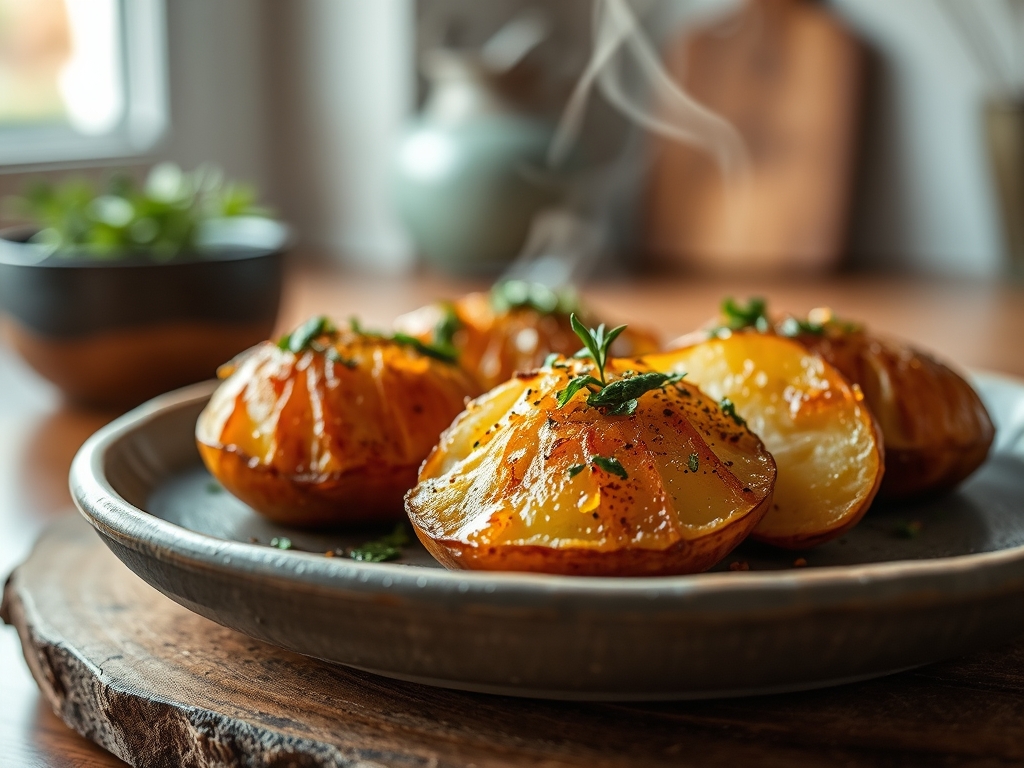
Picture a golden, craggy surface shattering under your fork to reveal a cloud of steam and velvet. We are moving far beyond the sad, microwave-nuked tuber of your office past. These lunch potato recipes are designed to transform your midday slump into a high-performance culinary event. Whether you are craving a crisp salt-crust or a silk-smooth puree, we are mastering the starch today.
The humble potato is a biological masterpiece of energy storage. When we apply heat, we are not just cooking; we are manipulating complex carbohydrates and triggering the Maillard reaction to create hundreds of new flavor compounds. You deserve a lunch that tastes like a five-star side dish but functions as a powerhouse main event. From the snap of a duck-fat roastie to the piquant bite of a vinegar-infused salad, we are elevating your pantry staples into something truly sophisticated.
Grab your favorite apron and clear the counter. We are about to dive into the chemistry of the perfect crunch and the physics of the fluffiest interior. This is not just about eating; it is about understanding how heat, acid, and fat interact to create the ultimate comfort food. Let us get to work.
The Gathers:
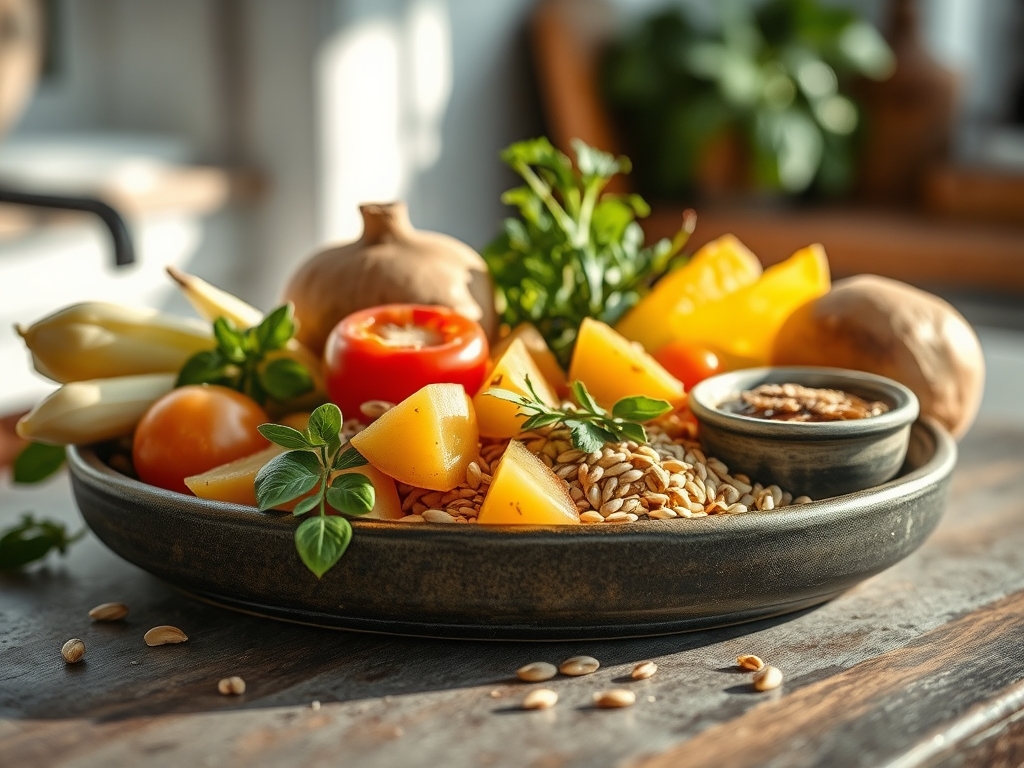
To execute these lunch potato recipes with precision, your mise-en-place must be intentional. Start with your choice of tuber. For structural integrity, reach for Waxy varieties like Red Bliss or New Potatoes; their low starch and high moisture content prevent them from disintegrating during a boil. If you want that iconic fluffy texture, the Russet is your best friend due to its high amylopectin content.
Your secondary ingredients should be high-impact. Gather Maldon sea salt for tactile crunch, high-smoke-point fats like ghee or duck fat for searing, and acidic components like aged sherry vinegar or preserved lemon to cut through the starch. Do not forget the aromatics; fresh rosemary, thyme, and garlic cloves are essential for infusing oils.
Smart Substitutions:
If you are avoiding nightshades, Japanese Sweet Potatoes offer a similar glycemic profile with a denser, creamier finish. For a lower-carb profile that mimics the potato mouthfeel, celeriac (celery root) is a professional secret. It provides a nutty, earthy base that responds beautifully to roasting in a heavy-bottomed skillet. If you lack fresh herbs, use high-quality dried spices but bloom them in hot fat first to release their fat-soluble volatile oils.
The Clock
Efficiency is the hallmark of a professional kitchen. To master these lunch potato recipes, you must embrace the Chef's Flow. This means overlapping tasks to ensure no minute is wasted.
Prep Time: 15 minutes. This involves scrubbing skins to remove grit and using a bench scraper to organize your dice.
Cook Time: 25 to 45 minutes depending on the method.
The secret to speed is par-boiling. By pre-cooking your potatoes in heavily salted water for 8 minutes, you gelatinize the exterior starch. This allows for a much faster finish in the pan or oven. While the potatoes boil, you can prepare your emulsions or chop your garnishes. This parallel processing ensures your lunch is ready in under an hour without sacrificing the structural integrity of the dish.
The Masterclass
1. The Precision Dice
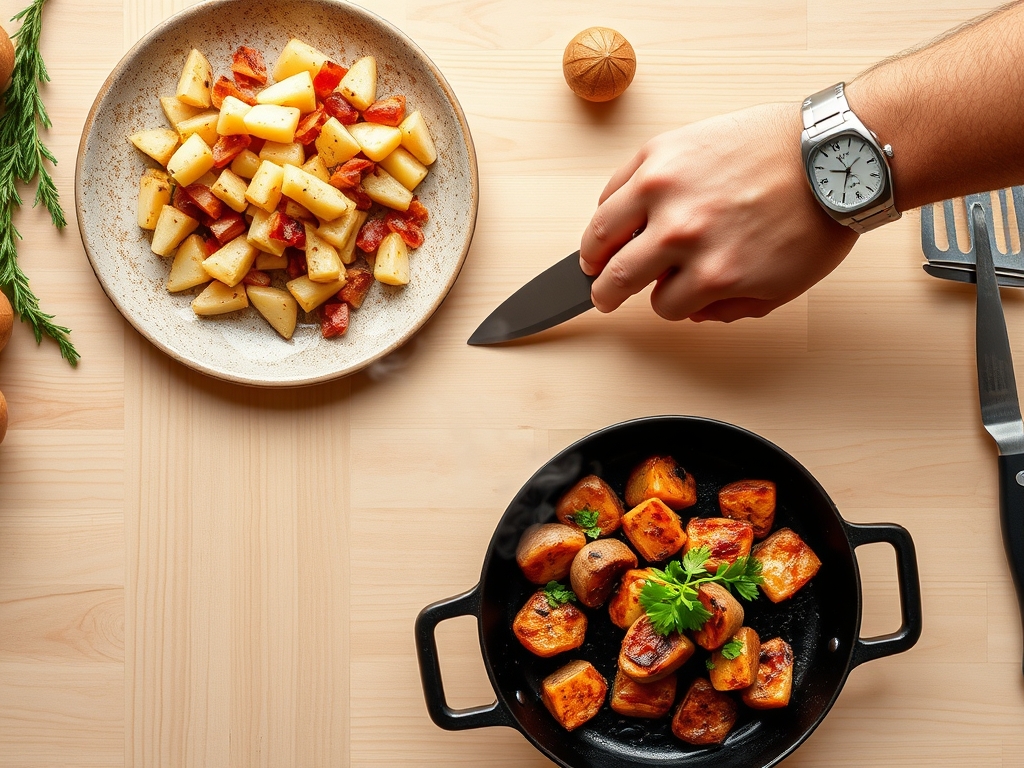
Start by squaring off your potatoes with a sharp chef's knife to create a stable base. Cut them into uniform 1/2-inch cubes. Uniformity is not just for aesthetics; it ensures every piece reaches the same internal temperature simultaneously.
Pro Tip: Use a digital scale to weigh your portions. This ensures even seasoning distribution and prevents the osmotic imbalance that occurs when smaller pieces become oversalted while larger ones remain bland.
2. The Alkaline Boil
Place your cubes in a pot of cold water. Add a teaspoon of baking soda and a generous palmful of salt. Bring to a boil and simmer until the edges are just starting to fray and soften.
Pro Tip: The baking soda raises the pH of the water, which breaks down the pectin on the potato's surface. This creates a starchy slurry that, once roasted, dehydrates into the ultimate extra-crunchy crust.
3. The Steam Dry
Drain the potatoes in a colander and let them sit for three full minutes. Shake the colander vigorously to roughen up the edges. You want them to look almost mashed on the outside.
Pro Tip: This step removes excess surface moisture. If you skip this, the remaining water will turn to steam in the pan, preventing the Maillard reaction and leaving you with soggy, grey potatoes instead of golden ones.
4. The Fat Infusion
Heat your heavy-bottomed skillet over medium-high heat. Add your fat of choice and aromatics. Once the garlic is golden, remove it to prevent burning, then add your potatoes in a single layer.
Pro Tip: Avoid overcrowding the pan. If the potatoes are too close, they will trap steam. You need convection (airflow) around each piece to ensure the fat can effectively fry the exterior starch.
5. The Final Seasoning
Once the potatoes are deep mahogany brown, toss them with fresh herbs and a zest of lemon using a microplane. The residual heat will wake up the essential oils in the herbs without scorching them.
Pro Tip: This is called thermal carryover. The internal temperature of the potato continues to rise slightly after being removed from the heat. Adding delicate aromatics now ensures they stay vibrant and green.
The Deep Dive
Macro Nutrition
Potatoes are often unfairly maligned. A medium potato contains more potassium than a banana and is a significant source of Vitamin C. For lunch potato recipes, we focus on the Satiety Index. Potatoes rank as one of the most filling foods per calorie, making them an ideal fuel for a productive afternoon.
Dietary Swaps
Vegan: Swap butter for a high-quality extra virgin olive oil or avocado oil. To mimic the umami of parmesan, use nutritional yeast or a dash of white miso paste.
Keto: While potatoes are high-carb, you can lower the net impact by cooking and then cooling them. This creates resistant starch, which acts more like fiber in the gut.
GF: Naturally gluten-free, just ensure your spice blends do not contain anti-caking agents derived from wheat.
The Fix-It: 3 Common Pitfalls
- The Soggy Center: Usually caused by skipping the par-boil or using a low-heat setting. Fix: Increase the heat and use a saucier to toss them frequently in hot fat.
- Burnt Garlic/Herbs: Adding aromatics too early. Fix: Infuse the oil first, remove the solids, and add fresh ones only in the final 60 seconds of cooking.
- Sticking to the Pan: Trying to flip the potatoes before the crust has formed. Fix: Wait for protein release. Once the crust is dehydrated and browned, the potato will naturally detach from the metal.
Meal Prep: Reheating Science
To maintain "day-one" quality, avoid the microwave. The microwave agitates water molecules, which turns the starch into a gummy, rubbery mess. Instead, use an air fryer or a dry skillet. This re-dehydrates the surface starch, restoring the crunch through conductive heating.
The Wrap-Up
You are now armed with the technical prowess to turn a simple root vegetable into a lunch-hour masterpiece. Remember that great cooking is about the tension between textures; the crunch of the crust against the velvet of the interior. Use these lunch potato recipes as a canvas. Add a poached egg for extra protein or a drizzle of spicy harissa for a kick. The science is on your side, so go forth and conquer your kitchen with confidence.
The Kitchen Table
Why are my roasted potatoes always soft?
Soft potatoes usually result from excess surface moisture. Ensure you steam dry your potatoes after boiling and before roasting. This allows the surface starch to dehydrate properly, creating a crisp, golden crust instead of a soggy exterior.
Can I use any potato for salad?
Waxy potatoes like Red Bliss or Fingerlings are best for salads. They have less starch and more moisture, allowing them to hold their shape after boiling and tossing with dressings, unlike Russets which tend to crumble.
What is the fastest way to cook lunch potatoes?
The fastest method is dicing them small (1/4 inch) and sautéing in a heavy-bottomed skillet. Small pieces have more surface area relative to volume, allowing them to cook through and crisp up in under fifteen minutes.
Is it better to peel potatoes for lunch?
Peeling is a matter of preference, but the skins contain half the fiber and many nutrients. For a rustic, earthy flavor and extra texture in your lunch potato recipes, leave the skins on and scrub them thoroughly.