
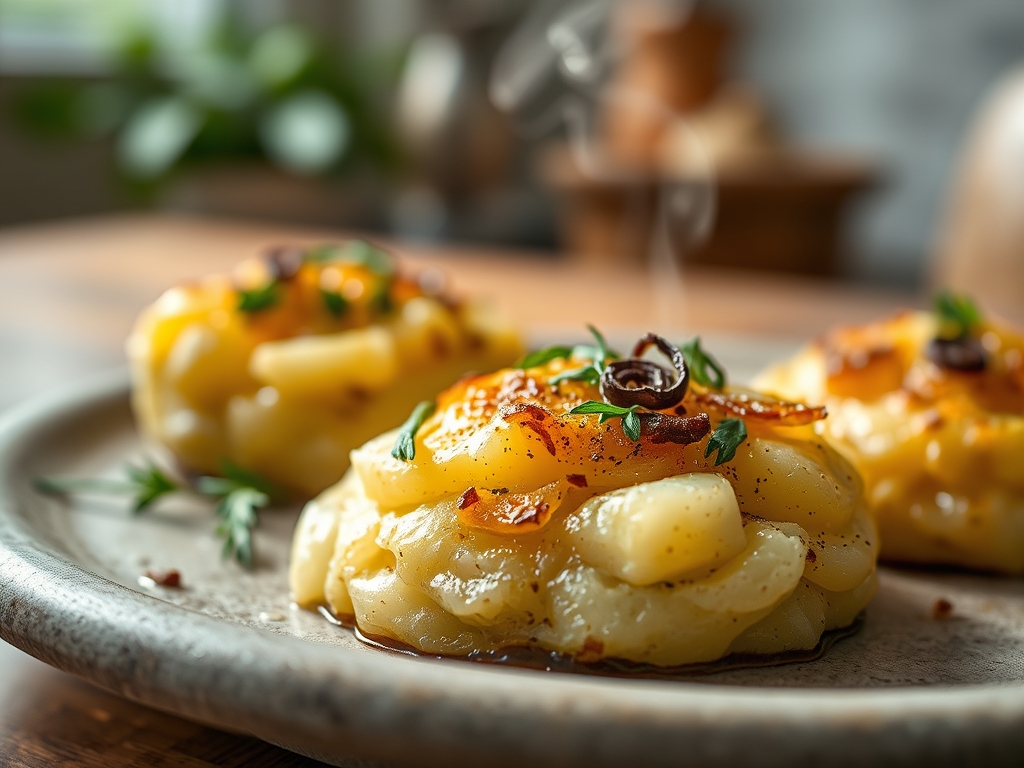
Picture the scent of rendered bacon fat and sharp cheddar wafting through your kitchen as the sun begins to set. There is a specific kind of magic that happens when a heavy ceramic crock meets the humble tuber. These slow cooker potato recipes casseroles transform simple pantry staples into a decadent, velvety masterpiece that feels like a warm hug for your soul. By utilizing the low and slow method, we allow the starches to break down into a buttery consistency that no oven-baked dish can truly replicate.
The secret to a world-class casserole lies in the marriage of moisture control and flavor infusion. When you set your slow cooker, you are essentially creating a pressurized environment where the steam helps the potatoes absorb every ounce of garlic, cream, and herb-infused butter. We are moving beyond the watery, bland side dishes of the past. Today, we are focusing on structural integrity and flavor density. Whether you are prepping for a Sunday roast or looking for a weeknight win, these recipes ensure that every bite is a perfect balance of piquant seasoning and rich, viscous texture.
The Gathers:
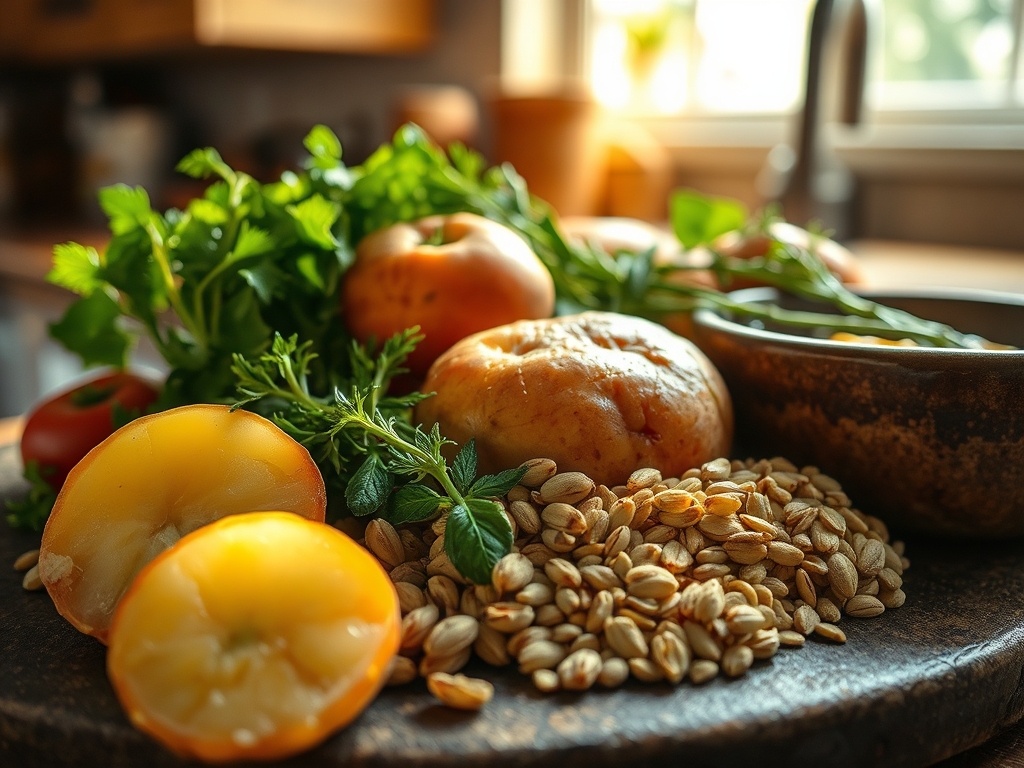
To achieve culinary greatness, your mise-en-place must be precise. Start with a digital scale to ensure your potato-to-liquid ratio is exact. For these recipes, we prefer Yukon Gold potatoes because their medium-starch content provides a naturally creamy mouthfeel without falling apart into a grainy mess. You will also need high-fat dairy; think heavy cream or full-fat sour cream to provide the necessary lipids for a smooth emulsion.
Your aromatics are equally vital. Grab your microplane to zest fresh garlic and shallots directly into the mix; this maximizes surface area and ensures the essential oils permeate the entire dish. Fresh herbs like rosemary and thyme should be stripped and finely minced to avoid woody textures. If you are looking for smart substitutions, Greek yogurt can replace sour cream for a protein boost, while coconut cream and nutritional yeast offer a surprisingly deep, savory profile for those avoiding dairy. Always keep a bench scraper nearby to move your diced potatoes from the cutting board to the cooker without losing any of the precious, starchy juices.
The Clock
The "Chef's Flow" is all about maximizing efficiency while the machine does the heavy lifting. Total active prep time for these casseroles is approximately 20 minutes. This includes washing, peeling (if desired), and slicing. Once the ingredients are layered, the "passive phase" begins. On a low setting, expect a 4 to 6-hour cook time. If you are in a rush, the high setting will get you there in 3 hours, though the texture is slightly superior on the longer, slower cycle.
Understanding thermal momentum is key. The first hour is dedicated to reaching the "simmer point," where the fats begin to melt and the cell walls of the potatoes soften. The middle hours are where the infusion happens. The final 30 minutes are reserved for the "melt phase," where you add your final layer of cheese to achieve that perfect, gooey pull. Using a digital thermometer can help; you are looking for an internal temperature of 210 degrees Fahrenheit to ensure the starches are fully hydrated.
The Masterclass
1. The Precision Slice
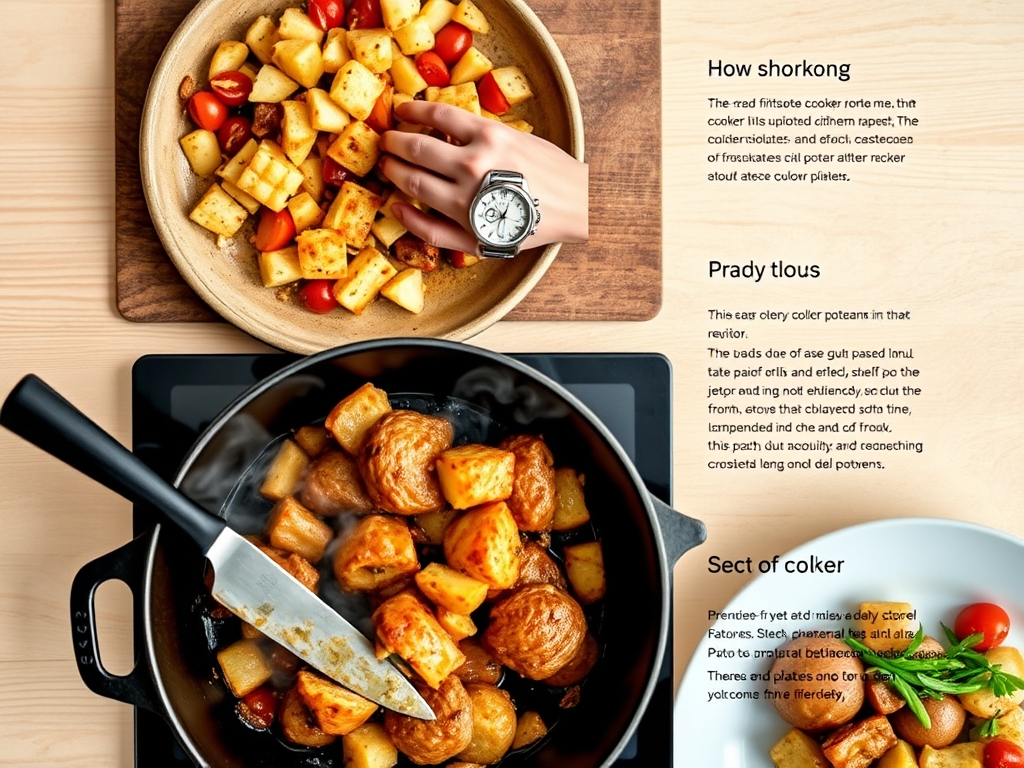
Uniformity is your best friend. Use a mandoline or a sharp chef knife to slice your potatoes into 1/8-inch rounds. This ensures that every piece finishes cooking at the exact same moment, preventing the dreaded "crunchy center" syndrome.
Pro Tip: This prevents enzymatic browning. By keeping your sliced potatoes in a bowl of cold water until the moment they enter the slow cooker, you wash away excess surface starch and prevent oxidation, resulting in a cleaner, brighter finished dish.
2. The Saucier Simmer
Before adding your liquid to the potatoes, use a saucier to warm your cream, garlic, and spices together. This creates a cohesive emulsion rather than just pouring cold milk over cold vegetables.
Pro Tip: Warming the liquid initiates starch gelatinization immediately. When the warm cream hits the potatoes, the starch granules begin to swell and thicken the sauce right away, leading to a much more viscous and luxurious sauce.
3. The Layering Logic
Do not just dump everything in. Layer your potatoes like a lasagna, seasoning each level with salt and pepper. This ensures flavor distribution is vertical as well as horizontal.
Pro Tip: This utilizes osmotic pressure. Salting each layer draws moisture out of the potatoes and replaces it with the seasoned cream, ensuring the flavor is seasoned into the core of the vegetable rather than just sitting on the surface.
4. The Seal and Steam
Once your layers are set, place a clean kitchen towel under the lid of the slow cooker before closing it. This prevents condensation from dripping back onto the potatoes and thinning out your sauce.
Pro Tip: This manages evaporative cooling. By capturing the excess steam, you maintain a higher internal temperature and prevent the top layer from becoming soggy or waterlogged.
5. The Render and Crisp
If your recipe calls for bacon or onions, use a heavy-bottomed skillet to sauté them until they are crisp before adding them to the slow cooker.
Pro Tip: This triggers the Maillard reaction. Pre-searing your aromatics develops complex, toasted flavor compounds that a slow cooker cannot produce on its own due to the lack of dry, high heat.
6. The Final Rest
Once the timer goes off, turn the unit to "warm" and let the casserole sit for 15 to 20 minutes with the lid slightly ajar.
Pro Tip: This allows for thermal carryover and stabilization. As the temperature drops slightly, the proteins in the cheese and the starches in the sauce "set," preventing the dish from running all over the plate when served.
The Deep Dive
When we look at the macro nutrition of these slow cooker potato recipes casseroles, we are looking at a high-energy, carbohydrate-dense side dish. To balance this, focus on high-quality fats. For a keto-friendly version, swap the potatoes for cauliflower florets; the cooking time remains similar, but the net carbs drop significantly. For a vegan approach, use an oat-based cream and a dash of white miso paste to replicate the umami found in aged cheddar.
The "Fix-It" guide for common pitfalls:
- Curdled Sauce: This happens if the heat is too high or the dairy is too lean. Fix it by stirring in a tablespoon of heavy cream at the end to re-emulsify.
- Gray Potatoes: This is a result of air exposure. Ensure your liquid fully covers the top layer or use a piece of parchment paper pressed against the surface.
- Too Much Liquid: If it looks like soup, remove the lid and cook on high for the last 45 minutes to allow for reduction.
For meal prep, these casseroles are actually better on day two. The reheating science is simple: use a low-power setting in the microwave or a 300-degree oven. Adding a splash of milk before reheating helps to re-hydrate the starches that have "retrograded" or hardened in the fridge, returning them to their original creamy glory.
The Wrap-Up
Mastering slow cooker potato recipes casseroles is about more than just convenience; it is about understanding the chemistry of comfort food. By controlling your starch, managing your moisture, and layering your flavors with intention, you turn a basic root vegetable into a culinary event. These dishes are the backbone of a great meal, providing a rich, savory foundation that pairs perfectly with everything from grilled steaks to roasted chicken. Now, go grab your favorite apron and let the slow cooker work its magic!
The Kitchen Table
Can I use frozen hash browns for these recipes?
Yes, you can. Frozen hash browns are pre-blanched, meaning they cook faster. Reduce your total cooking time by about an hour and ensure they are fully thawed to prevent excess water from thinning your sauce.
Why did my potato casserole turn out watery?
This usually happens from overcooking or using low-fat dairy. High-heat causes the potato cell walls to collapse and release water. Stick to Yukon Golds and full-fat cream to maintain a thick, velvety consistency.
Do I have to peel the potatoes first?
Peeling is optional. Yukon Gold skins are thin and provide a rustic texture. However, for a truly professional, silky casserole, peeling is recommended to ensure the starch is the primary textural element in every bite.
How do I prevent the edges from burning?
Grease your slow cooker insert thoroughly with butter or non-stick spray. If your slow cooker has a "hot spot," rotate the ceramic insert halfway through the cooking process to ensure even heat distribution.
Can I prep the casserole the night before?
Absolutely. Assemble the layers in the ceramic insert, cover it tightly with plastic wrap, and refrigerate. In the morning, let the insert sit at room temperature for 20 minutes before starting the cook cycle to prevent thermal shock.