
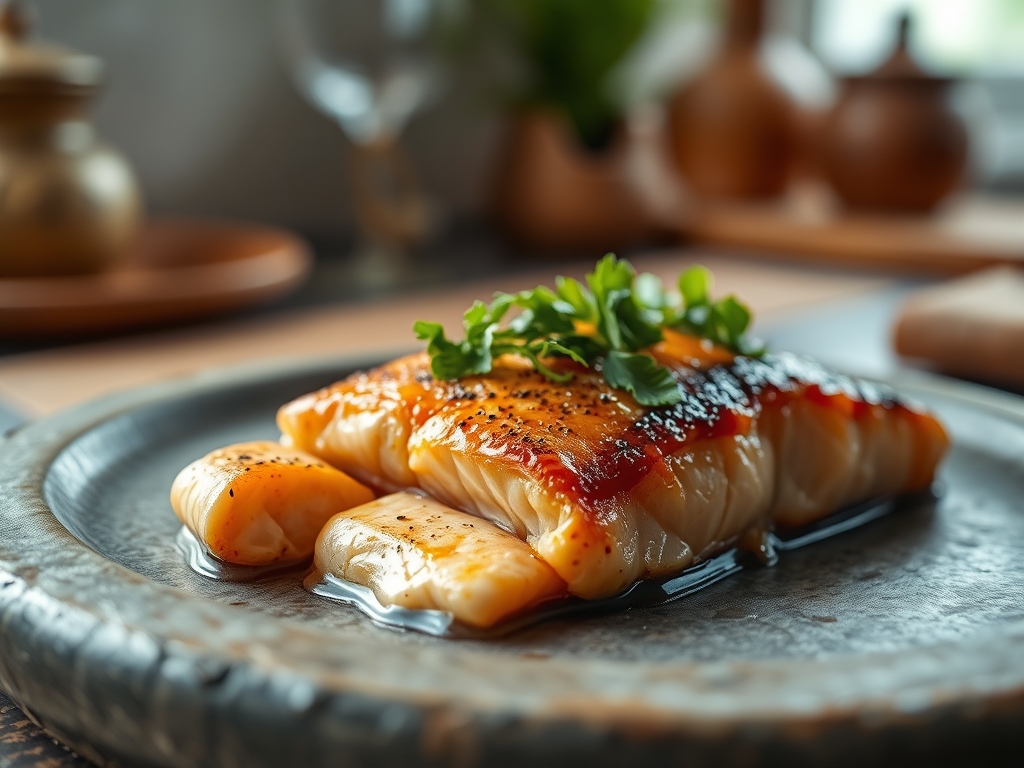
Close your eyes and imagine the hiss of a heavy-bottomed skillet meeting a cold-water fatty fish. The kitchen fills with the scent of fermented shrimp paste, calamansi citrus, and the deep, savory perfume of soy sauce. We are moving beyond the basic grilled fillet to explore the vibrant world of filipino salmon recipes. In the Philippines, we treat salmon with the same reverence as milkfish or tilapia, but with an added layer of buttery decadence. Whether it is the sour, tamarind-laced broth of Sinigang or the caramelized crunch of a soy-honey glaze, these dishes are a masterclass in balancing the five basic tastes. We are not just cooking dinner; we are engineering a sensory experience that honors traditional island flavors while utilizing the high omega-3 content of premium salmon. By the time we are finished, you will understand how to manipulate heat and acidity to transform a simple protein into a cultural centerpiece.
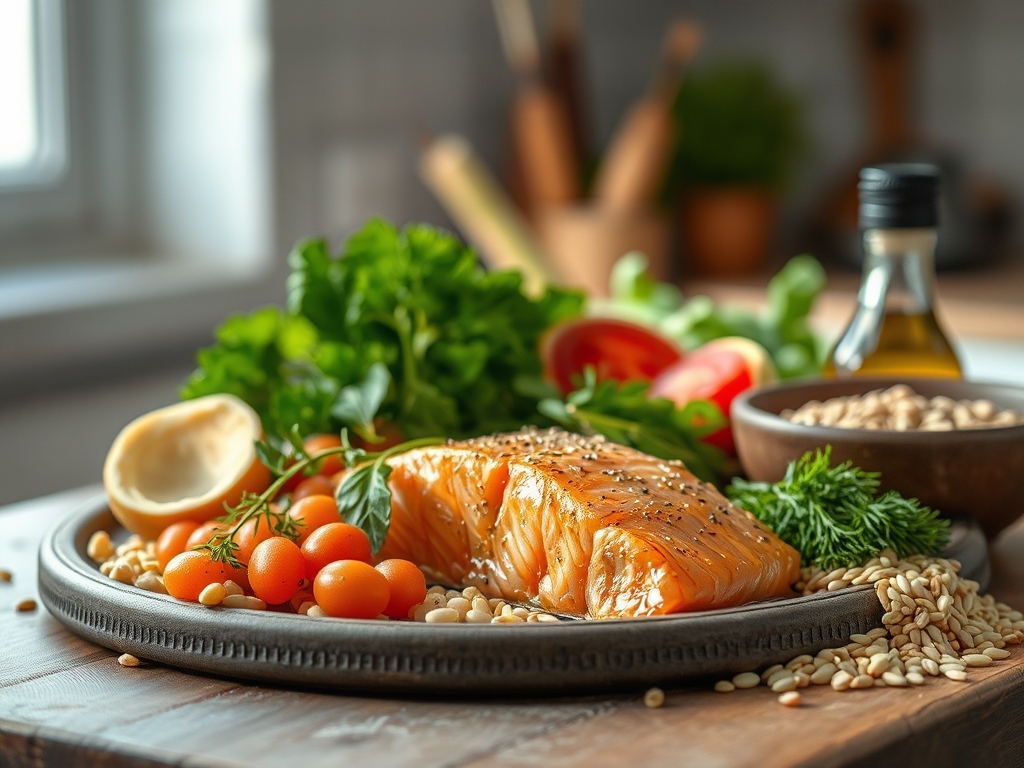
The Gathers:
Setting up your mise-en-place is a lesson in chemical contrast. You will need your digital scale to ensure the ratios of salt to acid are precise. For the base of most filipino salmon recipes, gather fresh ginger (aromatic and pungent), garlic cloves (sulfuric and savory), and red onions (sweet and sharp). You will also need fish sauce, known as patis, which provides a viscous, umami-rich foundation. Use a microplane to zest your calamansi or lime; this releases the essential oils trapped in the fruit's zest without the bitterness of the pith.
Smart Substitutions are your best friend in a global kitchen. If you cannot find calamansi, a blend of lemon and lime juice mimics that specific piquant profile. For those avoiding soy, coconut aminos offer a lower-sodium, gluten-free alternative that still provides that deep amber hue. If fresh tamarind is unavailable for your Sinigang, a high-quality tamarind concentrate is a reliable shortcut that ensures consistent acidity. Always keep a bottle of cane vinegar on hand; its mild, sweet finish is the secret to a perfect Filipino marinade.
The Clock
Efficiency in the kitchen is about mastering the Chef's Flow. For these filipino salmon recipes, your active prep time should hover around 20 minutes, while cooking times vary from a lightning-fast 8-minute sear to a 15-minute gentle simmer. Total time is usually under 40 minutes. The flow begins with your aromatics; chop everything before the heat is even turned on. While your salmon reaches room temperature to ensure even cooking, you should be whisking your sauces or prepping your vegetables. This prevents the "thermal panic" of trying to mince garlic while your fish is already overcooking in the pan.
The Masterclass
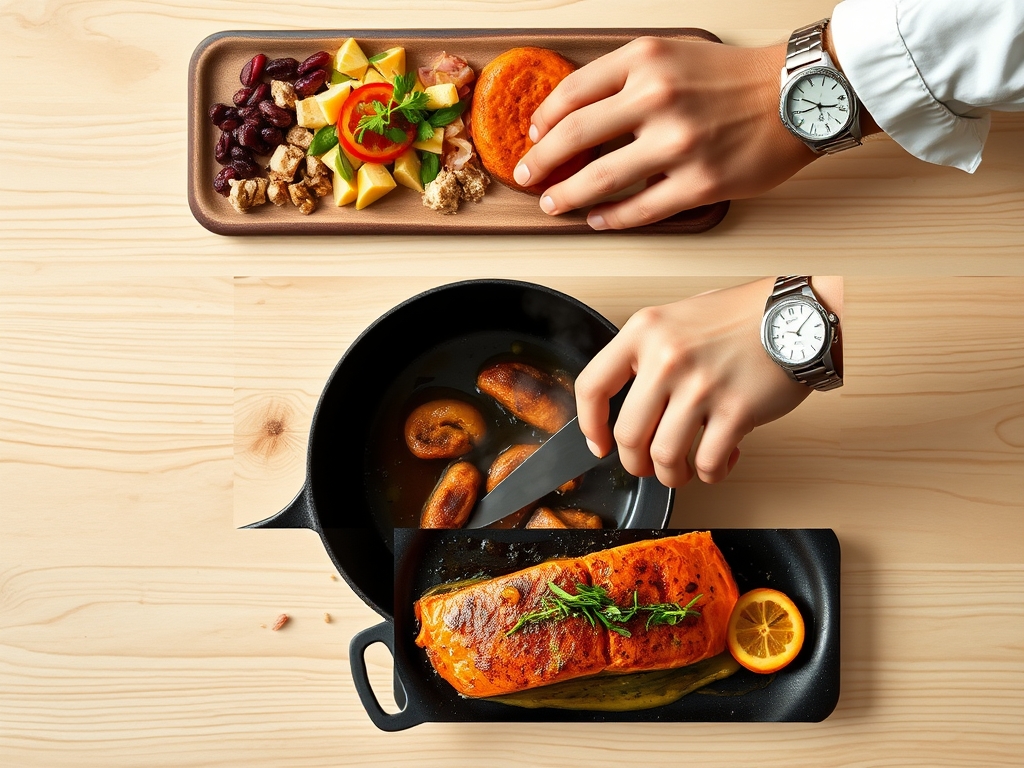
1. The Perfect Sear for Salmon Adobo
Start by patting your salmon skin bone-dry with a paper towel. Place it skin-side down in a preheated stainless steel pan with a high-smoke-point oil. Do not move it until the skin releases naturally from the surface.
Pro Tip: This is the Maillard reaction in action. By keeping the surface dry, you prevent steam from forming, allowing proteins and sugars to reorganize into that golden-brown, flavorful crust.
2. Infusing the Sinigang Broth
Bring your water to a boil and add tomatoes, onions, and your tamarind base. Let the vegetables soften until they begin to break down, creating a cloudy, flavorful liquor before adding the salmon heads or fillets.
Pro Tip: Acidity acts as a chemical "denaturant" for proteins. Adding the salmon last ensures the acid does not turn the delicate flesh mushy before the heat can properly set the structure.
3. Glazing with Paksiw Inspiration
In a saucier, combine vinegar, peppercorns, and bay leaves. Simmer until the liquid reduces by half, then gently nestle your salmon into the liquid to poach.
Pro Tip: Reducing the liquid concentrates the solutes, increasing the viscosity of the sauce. This allows it to coat the fish effectively without the need for heavy thickeners like cornstarch.
4. Aerating the Ginataang Sauce
When working with coconut milk, simmer it slowly with ginger and chilies. Use a whisk to aerate the liquid slightly as it reduces, preventing the fat from separating from the solids.
Pro Tip: This is an emulsion. Maintaining a gentle simmer prevents the coconut fats from breaking, which would result in a greasy texture rather than a creamy mouthfeel.
5. The Final Rest and Carryover Heat
Once your salmon reaches an internal temperature of 125 degrees Fahrenheit, remove it from the heat immediately using wide tongs.
Pro Tip: Thermal carryover will continue to cook the fish for several minutes after it leaves the pan. Resting the fish allows the muscle fibers to relax and reabsorb juices, ensuring a moist bite.
The Deep Dive
From a macro nutrition perspective, filipino salmon recipes are a powerhouse. A standard 6-ounce serving provides roughly 34 grams of protein and is rich in Vitamin B12. Because many of these recipes rely on vinegar and citrus rather than heavy creams, they remain relatively low in calories while staying high in healthy fats.
For dietary swaps, Keto followers can replace cane vinegar with apple cider vinegar and omit any added brown sugar. Vegans can replicate the "Salmon Sinigang" experience by using firm tofu or king oyster mushrooms and replacing fish sauce with a mixture of sea salt and dried shiitake mushroom powder.
The Fix-It: If your sauce is too salty, do not add water; add a splash of vinegar or a pinch of sugar to balance the palate. If the salmon skin is soggy, your pan wasn't hot enough; next time, wait for the oil to shimmer. If your coconut sauce breaks, whisk in a tablespoon of warm water or additional coconut cream to re-emulsify the fats.
Meal Prep: When reheating salmon, use a low-temperature oven (275 degrees) with a splash of water covered in foil. This prevents the proteins from tightening and squeezing out the moisture, which is what causes that "fishy" smell and dry texture.
The Wrap-Up
Mastering filipino salmon recipes is like learning a new dialect of comfort food. You are taking a world-class ingredient and dressing it in the bold, unapologetic flavors of the Pacific. From the sharp tang of a tamarind broth to the silky embrace of coconut milk, these dishes prove that salmon is the perfect canvas for Filipino culinary artistry. Now, grab your skillet, sharpen your knife, and let these flavors transport you to a tropical kitchen where every meal is a celebration of balance and soul.
The Kitchen Table
How do I stop salmon from sticking to the pan?
Ensure the pan and oil are shimmering hot before adding the fish. Pat the skin completely dry with paper towels. Once the salmon hits the pan, do not touch it for at least three minutes to allow the crust to form.
Can I use frozen salmon for Filipino recipes?
Yes, but thaw it completely in the refrigerator first. Pat it dry to remove excess moisture. Frozen salmon works exceptionally well in wet-heat dishes like Sinigang or Ginataan where the broth helps maintain the fish's moisture levels.
What is the best substitute for calamansi juice?
Mix one part lemon juice with one part lime juice. This combination mimics the unique acidity and floral notes of the Philippine lime. A small drop of orange juice can also add the subtle sweetness found in fresh calamansi.
How long does cooked Filipino salmon last in the fridge?
Store it in an airtight container for up to two days. Because of the high fat content and acidic marinades often used, it stays flavorful, but the texture is best when consumed within 48 hours of cooking.
Why is my salmon oozing white stuff?
That white substance is albumin, a protein that pushes to the surface when salmon is cooked too fast or overcooked. To minimize this, cook the fish at a slightly lower temperature and pull it off the heat just before it is done.