
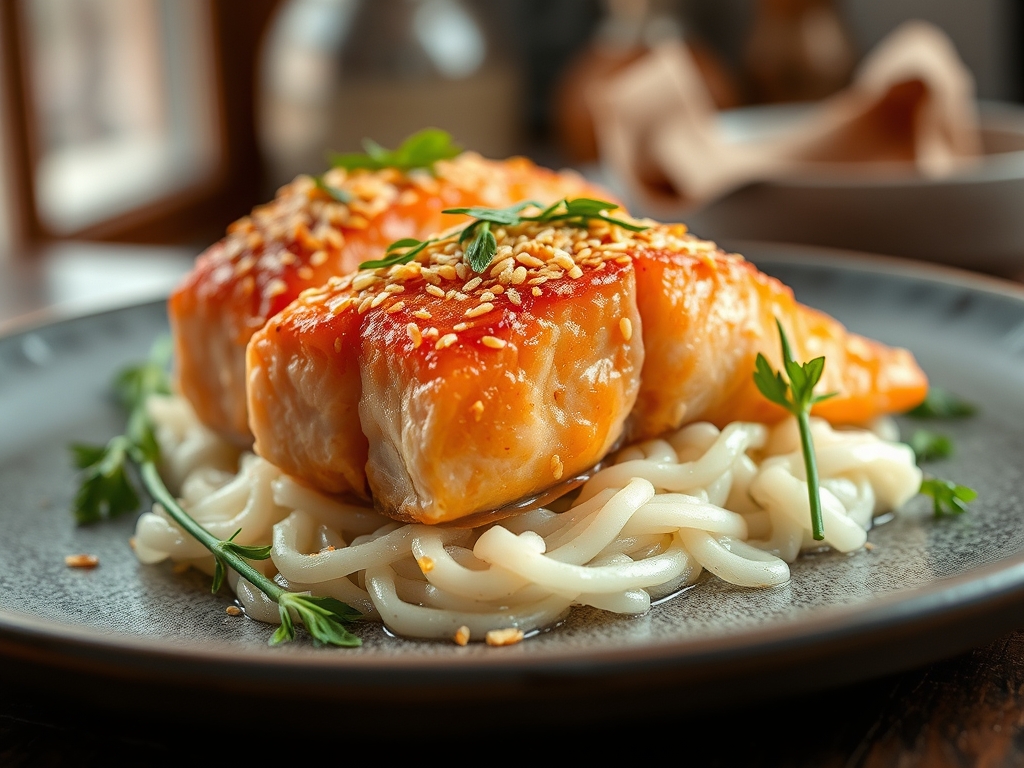
Imagine the sound of a heavy-bottomed skillet meeting a high-heat flame; it is a sharp, metallic ring that promises a transformative meal. You are standing in your kitchen, holding a piece of cold, marbled fish that is about to become a masterpiece. When you master sesame salmon recipes, you are not just cooking; you are orchestrating a complex chemical reaction between fatty acids and tiny, oil-rich seeds. The result is a contrast of textures that feels like a secret handshake between the sea and the soil. We are talking about a crust so crisp it shatters, protecting a center that remains buttery and translucent. It is sophisticated enough for a gallery opening but simple enough for a Tuesday night when your brain is fried.
To get there, we have to look past the surface. Most people treat sesame seeds as a garnish, a mere afterthought scattered like confetti. In this kitchen, we treat them as a structural element. We are going to use the natural proteins in the salmon to act as a biological glue, ensuring that every square millimeter of the fillet is armored in toasted gold. This is the intersection of high-end culinary styling and raw molecular science. Grab your apron and your favorite tongs; we are about to turn your kitchen into the best bistro in the city.
The Gathers:
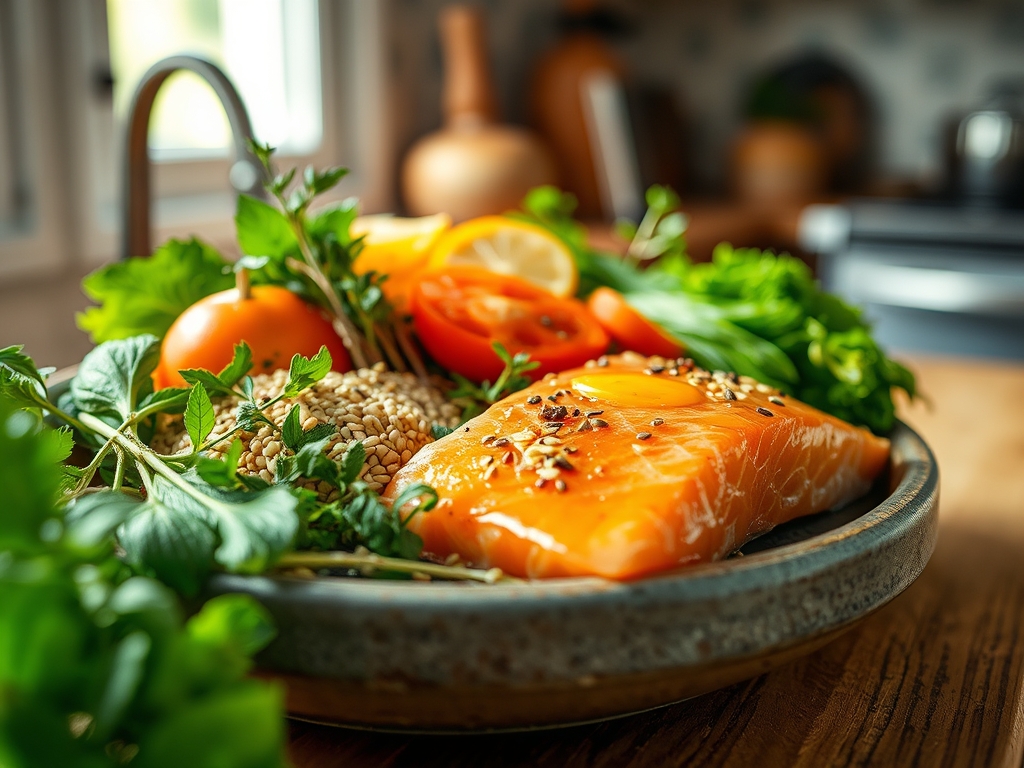
Setting your stage, or mise-en-place, is the difference between a frantic scramble and a graceful flow. Start with your centerpiece: six-ounce center-cut fillets. Look for vibrant color and firm flesh; this indicates a high concentration of astaxanthin, the antioxidant that gives salmon its hue. You will need a blend of black and white sesame seeds. The black seeds offer a deep, earthy bitterness, while the white seeds provide a sweet, nutty finish.
For the viscous binding agent, skip the heavy flours. We want a mixture of toasted sesame oil and a splash of tamari. This creates a thin, protein-rich film that encourages the seeds to adhere without creating a gummy barrier. You will also need fresh ginger and garlic, which should be processed with a microplane to create a fine paste. This ensures the aromatics infuse the oil rather than burning in the pan.
Smart Substitutions: If you are avoiding soy, coconut aminos offer a similar piquant profile with a lower glycemic index. For those with seed allergies, finely crushed pepitas provide a similar crunch and a beautiful green hue. If you cannot find fresh ginger, a pinch of high-quality ground ginger will suffice, though you will miss the bright, enzymatic zing of the fresh root.
The Clock
Efficiency is the hallmark of a professional. In the "Chef's Flow," we minimize downtime by overlapping tasks. Your total active prep time is exactly twelve minutes. This includes the five minutes required for the salmon to come to room temperature; a crucial step that prevents the muscle fibers from seizing when they hit the heat.
The cooking process itself is a brisk eight-minute affair. We spend six minutes on the "presentation side" to build that crust and two minutes on the flip to finish the interior. Total time from fridge to table is twenty minutes. This rhythm allows the pan to maintain its thermal mass without overheating, ensuring the sesame oils do not reach their smoke point and turn acrid.
The Masterclass
1. The Desiccation Ritual
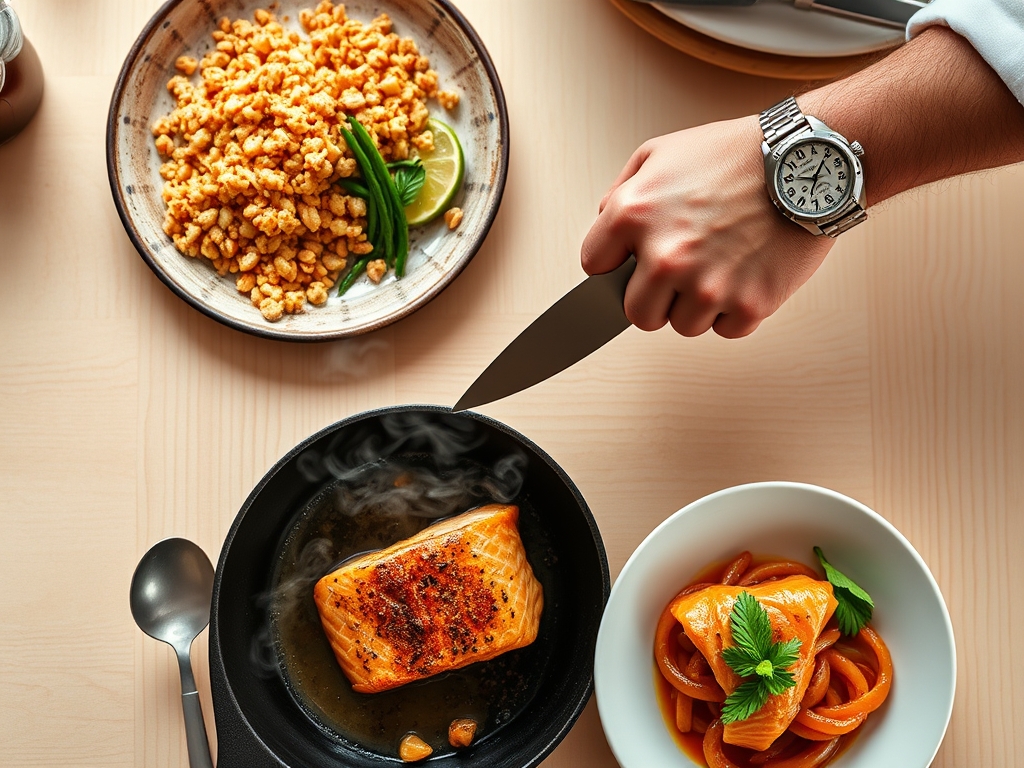
Pat your salmon fillets bone-dry using heavy-duty paper towels. Moisture is the enemy of the Maillard reaction. If the surface is damp, the energy of the pan will be wasted evaporating water rather than searing the fish. Use a digital scale to ensure your fillets are of equal weight for uniform cooking.
Pro Tip: This step utilizes evaporative cooling principles. By removing surface moisture, you allow the surface temperature to rise rapidly above 285 degrees Fahrenheit, which is the "sweet spot" for browning and flavor development.
2. The Aromatic Infusion
In a small saucier, whisk together your sesame oil, tamari, and microplaned aromatics. Brush this lightly over the flesh side of the fish. You are not marinating here; you are creating a thin, adhesive layer. If the layer is too thick, the seeds will slide off like a bad toupee.
Pro Tip: This process involves lipid-solubilization. The essential oils in the garlic and ginger are fat-soluble, meaning the sesame oil carries those flavors deep into the surface of the fish much faster than a water-based marinade would.
3. The Seed Compression
Spread your sesame seed blend on a flat plate. Press the coated side of the salmon firmly into the seeds. Do not be shy; use your palm to apply even pressure. Use a bench scraper to tidy the edges, ensuring a clean, professional silhouette.
Pro Tip: This is a lesson in surface area maximization. By creating a dense layer of seeds, you create a thermal shield that protects the delicate fish proteins from direct contact with the pan, allowing for a slower, more even heat transfer.
4. The Searing Phase
Heat your heavy-bottomed skillet over medium-high heat. Add a high-smoke-point oil like avocado oil. Once the oil shimmers, lay the salmon seed-side down. Do not move it. Let the seeds toast and the proteins set. You should see a golden ring forming at the base of the fillet.
Pro Tip: This stage relies on conduction. The metal of the pan transfers heat directly to the seeds, which then undergo enzymatic browning. Moving the fish too early disrupts the formation of the crust and causes the seeds to shed.
5. The Flip and Finish
Use your tongs to gently lift a corner. If it releases easily, it is ready. Flip the fish to the skin side. This is where we render the fat under the skin, making it crispy and edible. Lower the heat slightly to prevent the seeds from burning while the center finishes.
Pro Tip: We are managing thermal carryover here. Remove the fish when the internal temperature hits 125 degrees Fahrenheit. The residual heat will continue to cook the center to a perfect 130 degrees while it rests on the plate.
6. The Deglaze and Garnish
Once the fish is removed, the pan will have flavorful browned bits. Add a splash of rice vinegar and a teaspoon of honey to the hot pan to deglaze. Use a whisk to incorporate the bits into a quick pan sauce. Drizzle this over the finished fillets.
Pro Tip: This uses acid-base balancing. The acidity of the vinegar cuts through the richness of the salmon fats and the toasted oils, brightening the entire flavor profile and cleaning the palate.
The Deep Dive
From a macro perspective, this dish is a powerhouse. A single serving provides roughly 34 grams of high-quality protein and is rich in Omega-3 fatty acids, which are essential for brain health. The sesame seeds add a surprising amount of calcium and magnesium, making this a bone-dense meal choice.
For dietary swaps, this recipe is naturally gluten-free if using tamari. To make it Keto-friendly, simply omit the honey in the final glaze and use a monk fruit sweetener. For a vegan "salmon" version, use thick slabs of marinated tofu or watermelon "steaks," though the cooking times will vary significantly.
The Fix-It:
- Seeds falling off? You likely had too much moisture or too much oil on the fish before dipping. Pat drier next time.
- Burnt seeds? Your pan was too hot. Use a cast-iron skillet for better heat distribution or lower the flame.
- Dry fish? You missed the carryover window. Pull the fish earlier; it should still look slightly "underdone" in the very center when it leaves the pan.
Meal Prep: To reheat without losing that "day-one" quality, avoid the microwave. Use a toaster oven at 300 degrees for five minutes. This preserves the structural integrity of the crust while gently warming the interior fats without overcoagulating the proteins.
The Wrap-Up
You have just mastered the art of the perfect sesame-crusted salmon. By understanding the physics of the sear and the chemistry of the aromatics, you have elevated a simple piece of fish into a culinary event. Remember, cooking is about control; controlling the heat, the moisture, and the timing. Now, plate that beauty up, garnish with some fresh scallions, and enjoy the crunch that you built from scratch.
The Kitchen Table
Why do my sesame seeds taste bitter?
Seeds become bitter when the oils inside them oxidize from over-toasting. Ensure you stop the cooking process just as they turn golden brown. The residual heat will finish the job without burning the delicate oils.
Can I use frozen salmon for this?
Yes, but you must thaw it completely in the refrigerator. Pat it exceptionally dry to remove excess moisture from the freezing process, which can interfere with the seed adhesion and the searing stage.
What is the best oil for searing salmon?
Use an oil with a high smoke point like avocado or grapeseed oil. Avoid extra virgin olive oil or butter for the initial sear, as they will smoke and burn before the seeds are properly toasted.
How do I know the salmon is cooked without a thermometer?
Gently press the side of the fillet with a fork. If the flakes begin to separate easily (lamellar separation), the fish is medium-rare to medium. If it feels firm and bouncy, it is likely overcooked.