
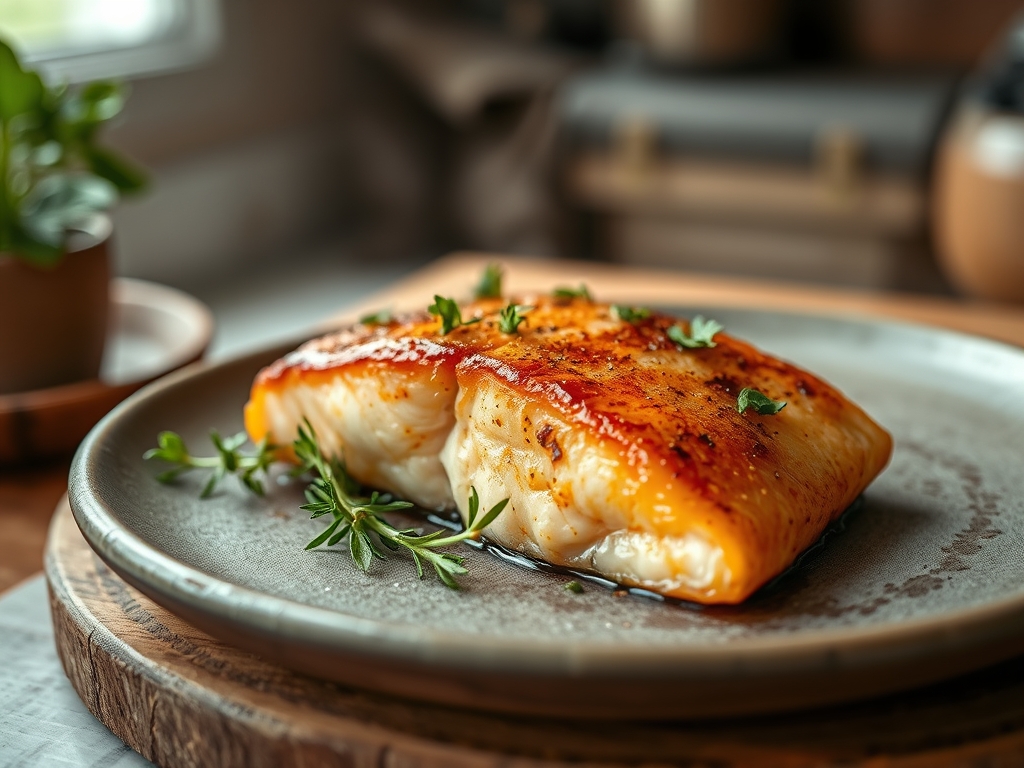
Picture the sizzle of a heavy-bottomed skillet meeting cold fat as the aroma of rendered omega-3s fills your kitchen. We have all scrolled through those legendary new york times salmon recipes while dreaming of that elusive, glass-like skin and butter-soft interior. It is the gold standard of home cooking; a dish that feels like a five-star reservation but costs less than a cocktail in Manhattan. Achieving that level of perfection is not about luck. It is about understanding the molecular dance between protein and heat.
The secret lies in the contrast between the piquant brightness of a glaze and the deep, savory notes of a well-seared fillet. Whether you are aiming for a slow-roasted masterpiece or a fast-and-furious pan sear, the physics remains the same. We are chasing the Maillard reaction while protecting the delicate connective tissues from tightening into a rubbery mess. Today, I am pulling back the curtain on the technical nuances that elevate a simple piece of fish into a culinary event. Grab your apron and your favorite tongs; we are about to transform your kitchen into a high-end bistro.
The Gathers:
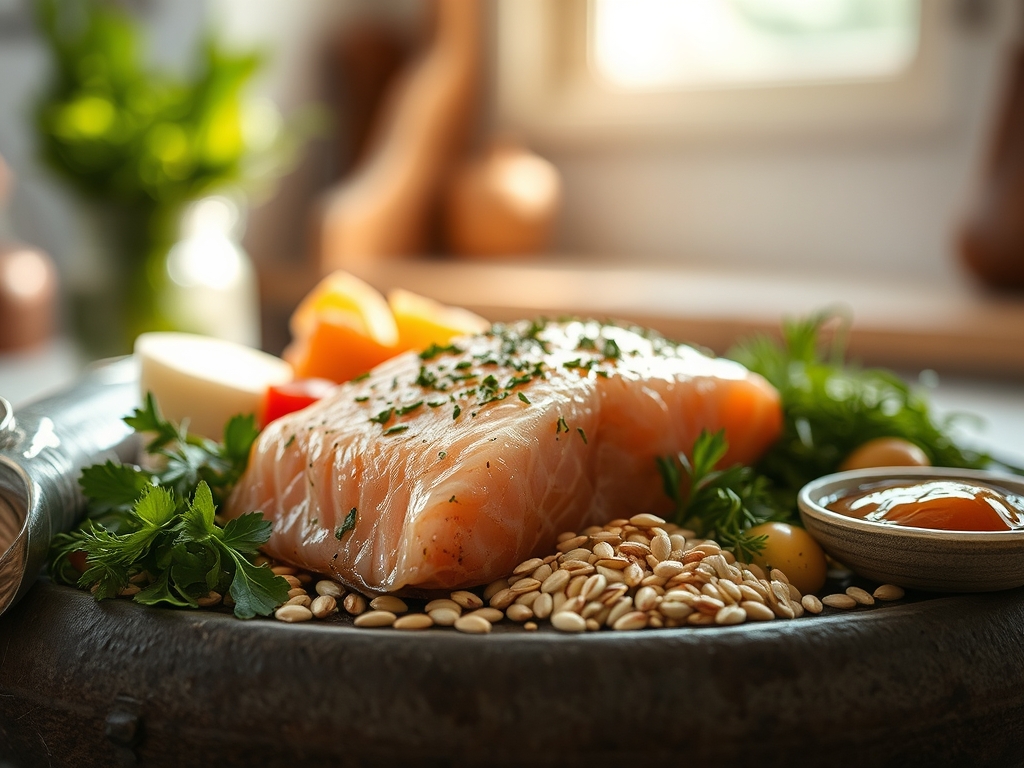
To replicate the depth found in new york times salmon recipes, your mise-en-place must be precise. Start with center-cut Atlantic or King salmon fillets. These cuts offer a uniform thickness that ensures even thermal distribution. You will need a high-smoke-point oil, such as avocado or grapeseed oil, to facilitate a high-heat sear without the bitterness of burnt lipids. For the flavor profile, gather fresh aromatics: garlic cloves for infusion, ginger for a sharp bite, and a bunch of cilantro or dill to provide a herbaceous lift.
Technical tools are non-negotiable here. A digital scale ensures your glaze ratios are exact, while a microplane is essential for creating a fine paste of zest and aromatics that will emulsify into your sauce. If you are looking for smart substitutions, try swaping honey for maple syrup to achieve a more complex, woody sweetness. If you are avoiding soy, coconut aminos offer a similar savory depth with a lower glycemic index. Ensure your fish is patted bone-dry with paper towels; moisture is the enemy of the crust.
The Clock: Timing the Perfect Sear
The "Chef's Flow" is all about managing momentum. Total preparation time sits at a crisp 15 minutes, while active cooking time ranges from 8 to 12 minutes depending on your desired opacity. The first 5 minutes are dedicated to the "Cold Prep," where you season the fish and allow the salt to penetrate the surface through osmotic pressure.
The "Active Phase" follows, requiring your undivided attention for roughly 10 minutes at the stove. Finally, the "Resting Phase" is a mandatory 3-minute window. During this time, the internal temperature stabilizes, allowing the juices to redistribute so they do not leak out the moment your fork hits the flesh. Total time from fridge to table is under 30 minutes, making this the ultimate weeknight power move.
The Masterclass:
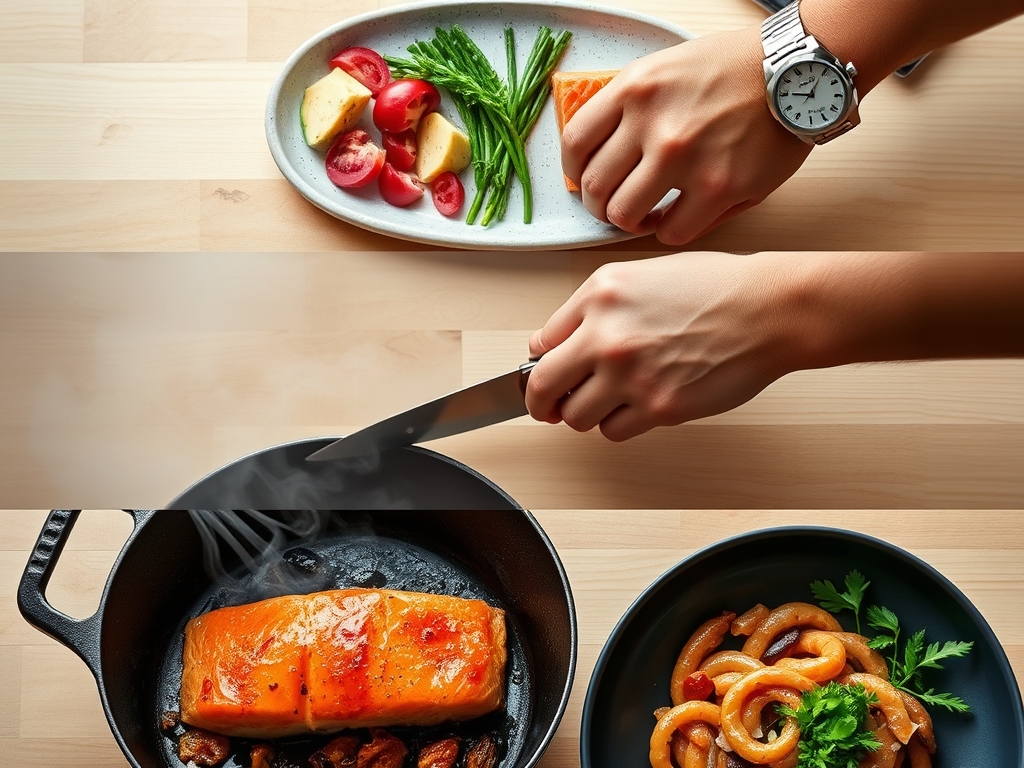
1. The Desiccation Ritual
Place your fillets on a clean surface and use a bench scraper to gently remove any excess moisture from the skin side. Season generously with kosher salt.
Pro Tip: Salt acts as a desiccant, drawing out surface moisture. This allows the heat to immediately begin the Maillard reaction (browning) rather than wasting energy evaporating water, which leads to steaming instead of searing.
2. The Cold Start Infusion
Place your aromatics into a cold saucier with a tablespoon of oil. Gradually bring the heat to medium-low until the garlic begins to dance and release its volatile oils.
Pro Tip: Starting in a cold pan allows the heat to gently infuse the oil with flavor without scorching the delicate garlic solids, which can turn bitter if exposed to immediate high heat.
3. The High-Heat Compression
Increase the heat to medium-high in a separate heavy-bottomed skillet. Once the oil is shimmering, lay the salmon skin-side down. Use your tongs to press the fillet firmly against the pan for the first 30 seconds.
Pro Tip: Salmon skin contains collagen that contracts when it hits heat. Pressing the fish prevents the fillet from curling, ensuring maximum surface area contact for a perfectly even, viscous crisp.
4. The Glaze Emulsification
Whisk your liquid ingredients (soy, citrus, sweetener) into the infused oil. Increase the heat until the mixture begins to bubble and reduce into a thick, syrupy consistency.
Pro Tip: As water evaporates, the sugars and proteins in the sauce begin to cross-link. This creates a reduction that clings to the fish rather than sliding off into the pan.
5. The Thermal Flip
Once the skin is crisp and the flesh has cooked two-thirds of the way up the side, gently flip the fillet. Cook for only 60 to 90 seconds on the second side.
Pro Tip: This technique utilizes thermal carryover. The residual heat from the pan and the skin side will finish cooking the center of the fish even after it is removed from the flame, preventing protein denaturing (toughness).
6. The Final Deglaze
Pour the prepared glaze over the fish in the final seconds of cooking. Use a spoon to baste the hot liquid over the top of the fillets.
Pro Tip: This quick deglaze picks up the "fond" (browned bits) from the bottom of the pan, incorporating those concentrated savory flavors directly back into your sauce for a professional finish.
The Deep Dive: Nutrition and Troubleshooting
From a macro perspective, salmon is a nutritional powerhouse. A standard 6-ounce serving provides approximately 34 grams of high-quality protein and 1.5 grams of Omega-3 fatty acids. It is naturally gluten-free and keto-friendly. For a vegan alternative, you can apply these exact searing and glazing techniques to thick slabs of "King Oyster" mushrooms or firm tofu, though the cooking times will vary.
The Fix-It: Common Pitfalls
- The White Gunk: If you see white spots (albumin) seeping out, your heat is too high. This is protein being squeezed out like a sponge. Lower the flame next time.
- The Stick: If the fish won't flip, it is not ready. The fish will naturally "release" from the pan once the crust has fully formed.
- The Soggy Skin: This happens if you add the glaze too early or don't dry the fish. Always glaze at the very end to preserve the crunch.
Meal Prep & Reheating
To maintain "day-one" quality, never microwave your leftovers. The high-frequency waves vibrate water molecules so fast they steam the fish from the inside, making it rubbery. Instead, reheat in a 275-degree oven with a splash of water and a foil cover to gently re-hydrate the proteins.
The Wrap-Up:
Mastering the art of salmon is a rite of passage for any home cook. By focusing on the science of the sear and the balance of a well-emulsified glaze, you are doing more than just making dinner; you are practicing culinary architecture. These new york times salmon recipes are beloved because they respect the ingredient while pushing the boundaries of flavor. Now that you have the technical roadmap, go forth and sear with confidence. Your kitchen table is about to become the hottest seat in town.
The Kitchen Table:
How do I prevent salmon from sticking to the pan?
Ensure your pan is preheated until the oil shimmers. Pat the salmon skin bone-dry with paper towels before seasoning. Once placed in the pan, do not move the fillet until a crust forms; the fish will release naturally when ready.
What is the best internal temperature for salmon?
For a buttery, medium-rare texture, aim for an internal temperature of 125 degrees Fahrenheit. For a firmer, medium finish, pull the fish at 135 degrees. Remember that carryover cooking will raise the temperature by another 5 degrees while resting.
Can I use frozen salmon for these recipes?
Yes, but you must thaw it completely in the refrigerator overnight. Once thawed, treat it exactly like fresh fish. Ensure you pat it extra dry, as frozen fish tends to release more moisture during the thawing process.
Why does my salmon have white stuff on it?
That white substance is albumin, a harmless protein. it appears when the salmon is cooked too quickly or at a temperature that is too high, causing the muscle fibers to contract and squeeze the protein to the surface.
How long can I store cooked salmon in the fridge?
Cooked salmon stays fresh and safe to eat for up to three days when stored in an airtight container. To preserve the texture, store the glaze separately if possible and avoid reheating in a high-heat microwave.