
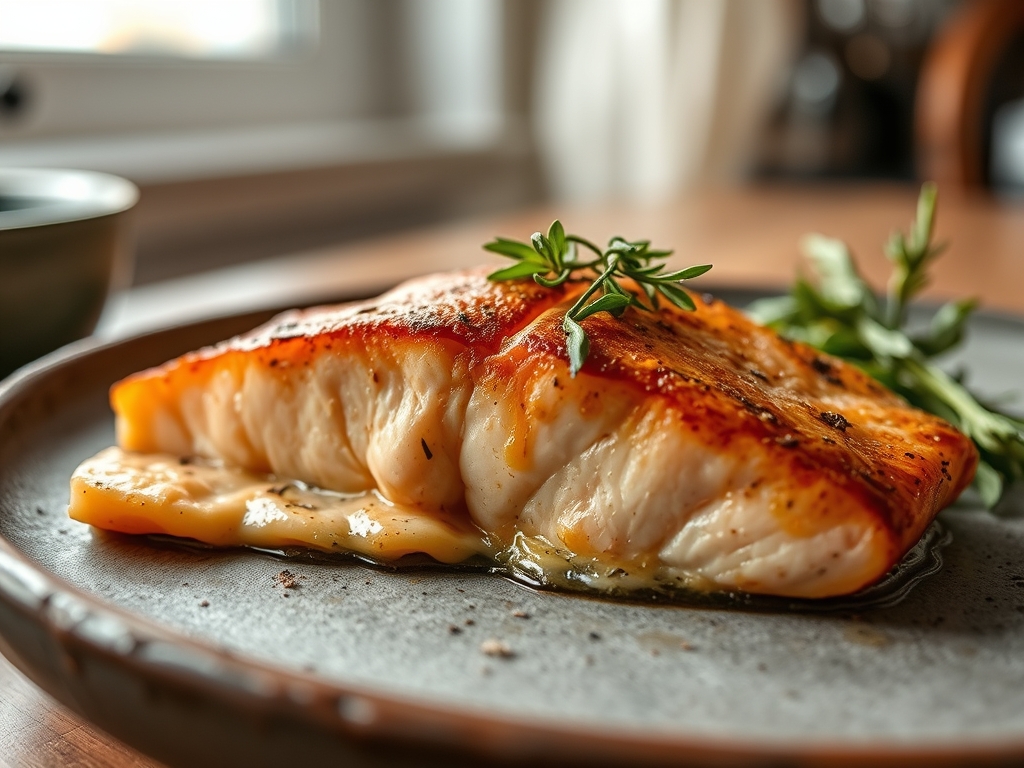
Picture a heavy cast iron skillet resting on a rustic wooden table; the steam rising from a perfectly seared fillet carries notes of caramelized honey and pungent garlic. When you are looking for salmon recipes pioneer woman style, you are searching for that specific intersection of soulful comfort and sophisticated technique. It is about creating a crust so crisp it shatters under a silver fork while the interior remains a buttery, translucent pink. We are not just cooking dinner tonight; we are mastering the delicate chemistry of protein denaturation to ensure every bite is a revelation of texture and flavor.
The beauty of these preparations lies in their accessibility. You do not need a culinary degree to achieve restaurant-quality results in your own kitchen. By understanding how heat interacts with the healthy fats in the fish, you can transform a simple piece of seafood into a centerpiece that commands attention. Whether you are hosting a sprawling Sunday brunch or a quiet Tuesday night meal, these ten variations offer a spectrum of profiles from citrusy and bright to rich and savory. Let us roll up our sleeves and dive into the mechanics of the perfect sear.
The Gathers:
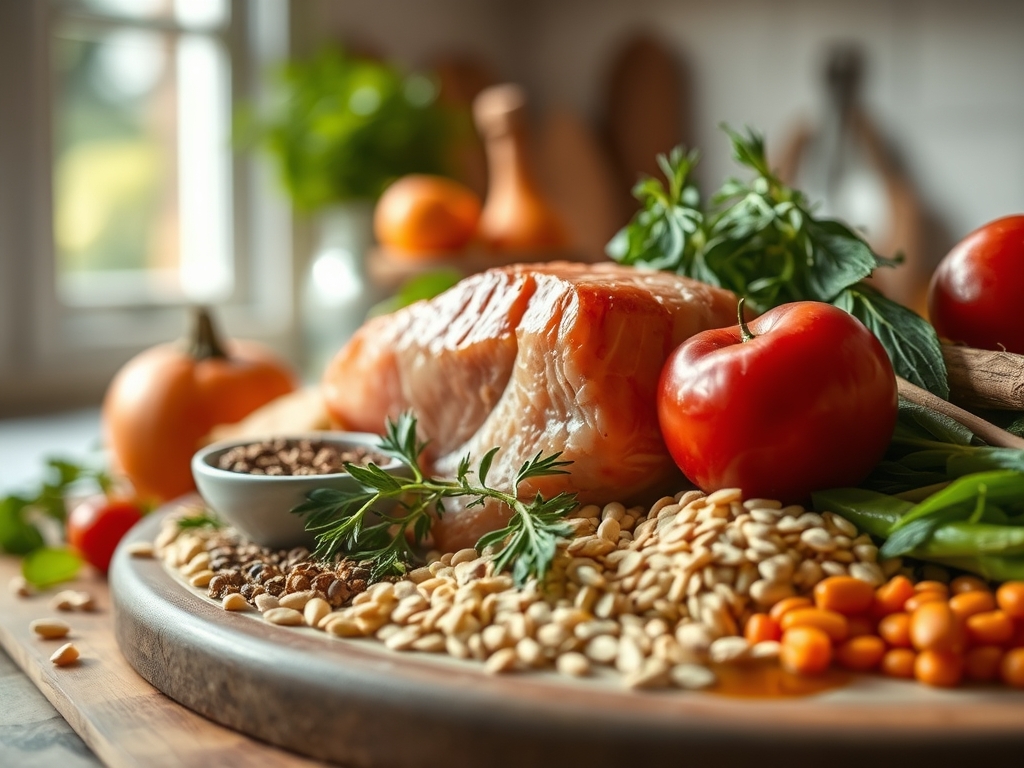
To execute these salmon recipes pioneer woman favorites, your mise-en-place must be precise. Start with high-quality Atlantic or Sockeye fillets, ensuring they are patted dry with lint-free towels to prevent steam pockets. You will need a viscous binder; think extra virgin olive oil or melted clarified butter. For the aromatics, gather fresh dill, flat-leaf parsley, and garlic cloves ready for the microplane. A piquant element is essential, so keep lemons and capers within reach to provide the necessary acidity to cut through the lipid-rich flesh.
Smart Substitutions: If you find yourself without fresh herbs, use a third of the amount in dried form, as the dehydration process concentrates the volatile oils. For those avoiding dairy, replace butter with a high-smoke-point avocado oil to maintain the integrity of the Maillard reaction. If honey is too sweet for your palate, a splash of maple syrup offers a more complex, earthy glucose profile that caramelizes beautifully under a broiler.
The Clock
Efficiency in the kitchen is all about the "Chef's Flow." This refers to the chronological synchronization of tasks to ensure no ingredient sits idle. For these recipes, expect a prep time of 15 minutes and a cook time ranging from 8 to 12 minutes. The secret is the thermal carryover; salmon continues to cook for several minutes after being removed from the heat source. By timing your sides to finish exactly when the salmon begins its five-minute rest, you ensure a cohesive, hot meal. Always use a digital scale for consistent portioning, which guarantees that every fillet reaches the target internal temperature of 125 degrees Fahrenheit simultaneously.
The Masterclass
1. The Surface Preparation
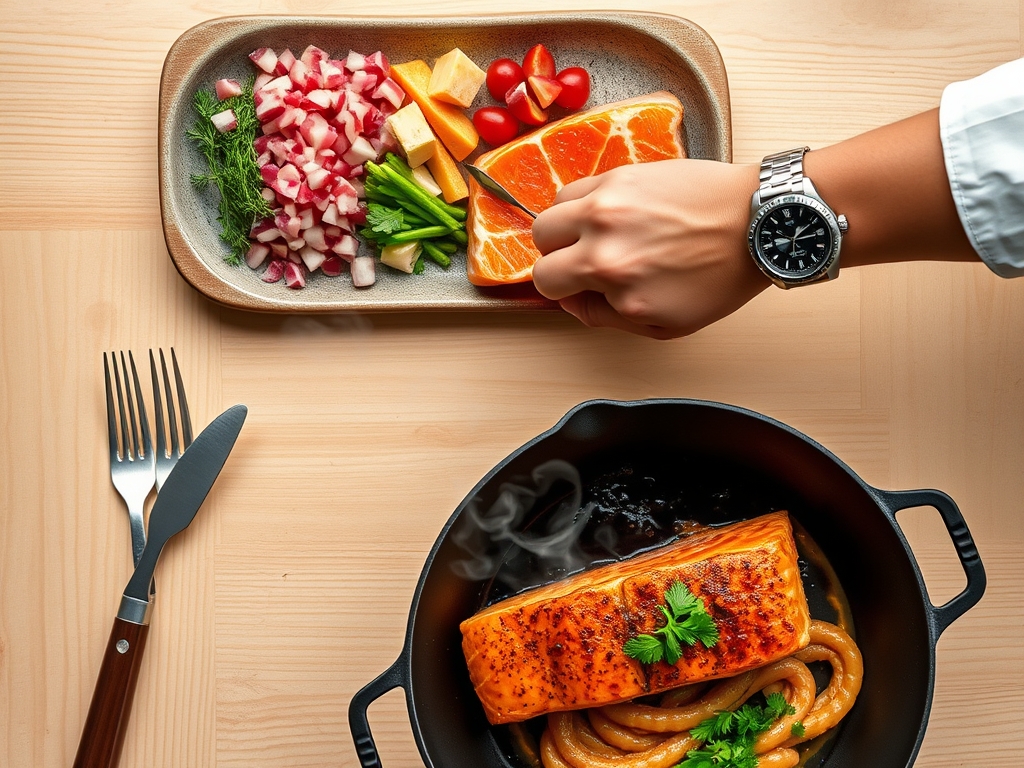
Begin by ensuring the skin is bone-dry. Use a bench scraper to remove any excess moisture from your cutting board before laying the fish down. Season aggressively with kosher salt from a height of ten inches to ensure even distribution across the protein fibers.
Pro Tip: Salt acts as a desiccant, drawing out surface moisture. This is crucial for enzymatic browning, as water is the enemy of a crisp crust.
2. The Sear Initiation
Heat a heavy-bottomed skillet over medium-high heat until the oil shimmers. Place the salmon skin-side down. Use your tongs to press the fillet firmly against the metal for thirty seconds. This prevents the skin from curling as the collagen fibers contract.
Pro Tip: This initial physical pressure ensures maximum surface area contact, facilitating a uniform heat transfer and a superior crunch.
3. The Aromatics Infusion
Once the skin is crisp, reduce the heat and add a knob of butter, smashed garlic, and thyme to the pan. Use a saucier spoon to continuously baste the fish with the bubbling, infused fat. This technique, known as arroser, cooks the top of the fish gently while adding layers of flavor.
Pro Tip: Basting with fat creates a hydrophobic barrier that locks in internal juices, preventing the albumin (the white protein) from leaking out.
4. The Deglaze and Finish
Remove the fish when it reaches 120 degrees Fahrenheit. Immediately deglaze the pan with a splash of white wine or chicken stock. Scrape up the fond (those delicious browned bits) to create a pan sauce. Pour this over the resting fish.
Pro Tip: The acidity in the wine dissolves the caramelized proteins stuck to the pan, transforming waste into a concentrated umami glaze.
The Deep Dive
From a nutritional standpoint, salmon is a powerhouse of Omega-3 fatty acids and high-quality protein. On average, a 6-ounce fillet provides approximately 34 grams of protein and 18 grams of healthy fats. For those following a Keto lifestyle, these recipes are naturally compliant. To make them Vegan, swap the salmon for thick slabs of cauliflower or "tofu steaks" marinated in liquid smoke and seaweed granules to mimic the oceanic salinity.
The Fix-It:
- The Skin is Soggy: This happens when the pan isn't hot enough. Fix: Finish the fillet under a high broiler for 60 seconds to blast away residual moisture.
- The Fish is Dry: You likely bypassed the resting phase. Fix: Flake the overcooked salmon and fold it into a creamy lemon-dill pasta sauce to reintroduce moisture.
- The Glaze Burnt: High sugar content in marinades can carbonize. Fix: Always add honey or sugar-based glazes during the last two minutes of cooking rather than the beginning.
Meal Prep Science: To reheat salmon without the "fishy" aroma or rubbery texture, avoid the microwave. Use a low-temperature oven (275 degrees Fahrenheit) with a splash of water in the dish, covered tightly with foil. This creates a gentle steam chamber that rehydrates the proteins without over-denaturing them.
The Wrap-Up
Mastering salmon recipes pioneer woman style is about more than just following a list of ingredients; it is about embracing the tactile joy of the kitchen. When you hear that rhythmic sizzle in the skillet and smell the garlic hitting the hot oil, you are participating in a timeless culinary tradition. Remember to trust your senses as much as your thermometer. Cooking is a conversation between you and the heat, and with these techniques in your repertoire, you are well on your way to becoming the most confident cook in the room. Now, grab those tongs and let us get searing.
The Kitchen Table
How do I stop salmon from sticking to the pan?
Ensure the skillet is properly preheated before adding oil. Pat the fish completely dry. Once placed in the pan, do not attempt to move the fillet until the skin naturally releases from the surface through the searing process.
What is the white stuff on cooked salmon?
That is albumin, a harmless protein that pushes to the surface when the muscle fibers contract too quickly. To minimize this, cook the fish at a lower temperature and avoid overcooking past the medium-rare stage.
Can I cook salmon from frozen?
Yes, though texture may suffer slightly. Use the "steam-sear" method: sear the frozen fillet to develop color, then add a tablespoon of water to the pan and cover with a lid to cook the center thoroughly with steam.
How long does cooked salmon last in the fridge?
Stored in an airtight container, cooked salmon remains safe and flavorful for up to three days. For the best quality, store it in the coldest part of your refrigerator and consume it cold in salads or gently reheated.