
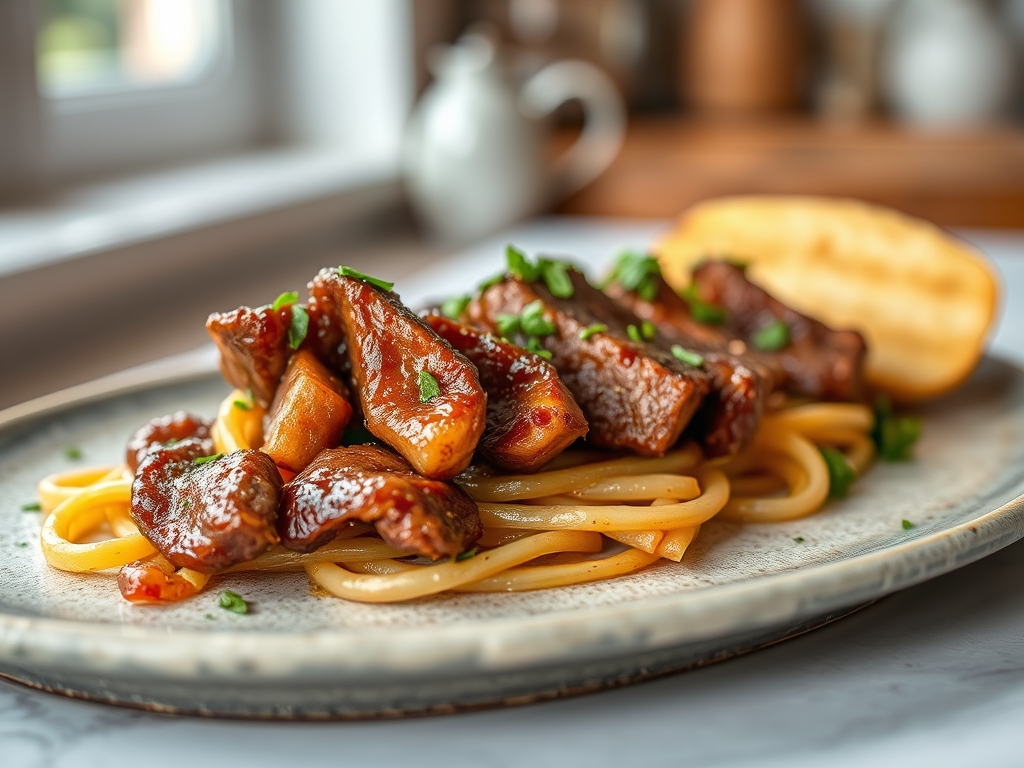
Imagine the scent of searing iron and salt hitting a hot heavy-bottomed skillet while the rest of the world is still nursing lukewarm coffee. We are moving past the era of flimsy cereal because your body craves real fuel. These breakfast beef recipes transform your morning into a high-octane ritual that balances savory depth with metabolic fire.
Forget the notion that steak is reserved for candlelit dinners. When you lead with high-quality bovine protein, you are not just eating; you are engineering a day of sustained focus and muscle synthesis. We are talking about the kind of breakfast that makes you feel invincible by 9:00 AM. From delicate shaved ribeye to hearty ground chuck, these seven variations utilize professional techniques to ensure your first meal is your best meal. Whether you are a dedicated athlete or a busy professional, mastering these breakfast beef recipes ensures you never hit that mid-morning slump. It is time to treat your cast iron like the holy relic it is and get to work.
The Gathers:
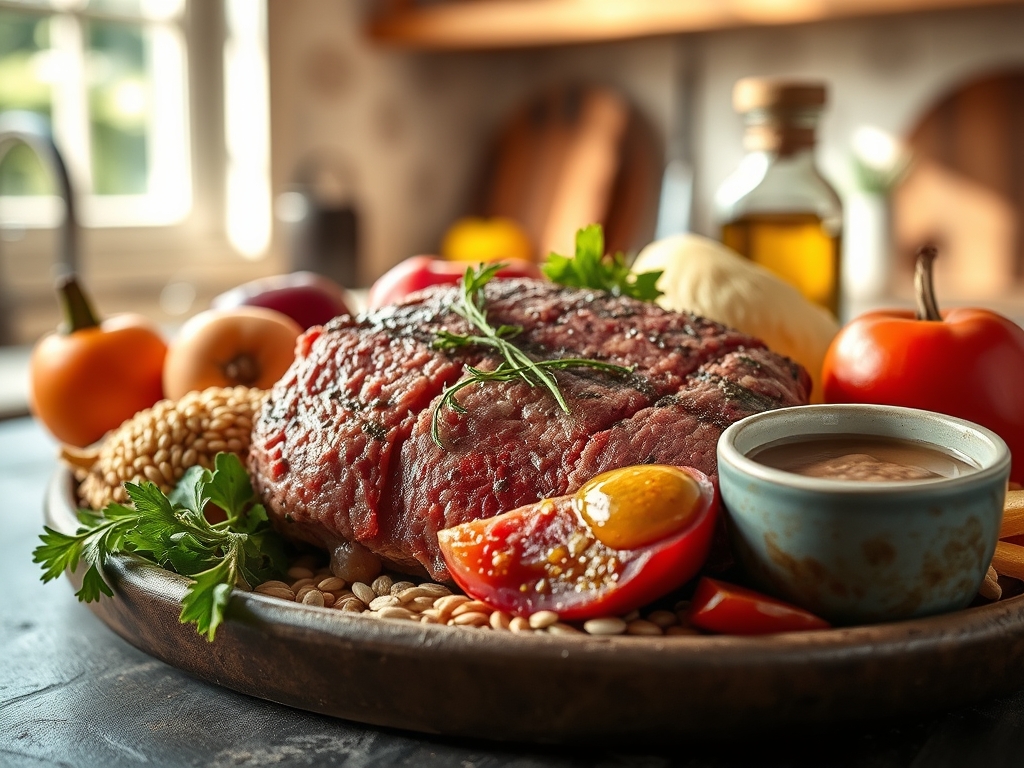
To execute these recipes with precision, your mise-en-place must be impeccable. We start with the star of the show: the beef. For the fastest cook times, look for subprimal cuts like flank or skirt steak, which possess high surface-area-to-volume ratios. If you are using ground beef, aim for an 80/20 lean-to-fat ratio to ensure there is enough intramuscular fat to render and create a natural sauce.
You will need a digital scale to measure your portions exactly; 150 grams of raw protein is the sweet spot for a high-protein start. Gather your aromatics: shallots for a piquant bite, garlic to be crushed with a flat blade, and fresh rosemary to infuse your cooking fats. Do not forget the acids. A splash of apple cider vinegar or a squeeze of lemon is essential to cut through the rich, viscous fats of the beef.
Smart Substitutions:
If you are watching your saturated fat intake, swap the ribeye for a lean top sirloin. For those avoiding nightshades, replace paprika with toasted cumin and ground coriander to maintain that earthy complexity. If you find yourself out of fresh garlic, a high-quality garlic oil can provide that essential pungent aroma without the risk of burning delicate cloves in a high-heat sear.
The Clock: Chef's Flow
Efficiency in the kitchen is about managing the "Chef's Flow." Total preparation for these dishes ranges from 10 to 25 minutes. The secret is parallel processing. While your heavy-bottomed skillet is preheating (this takes a solid 4 to 5 minutes to achieve uniform thermal distribution), you should be using a sharp bench scraper to clear your dicing station.
Most beef-based breakfasts require a high-heat sear of 2 to 3 minutes per side, followed by a brief 5-minute rest. During that rest period, you use the same pan to deglaze and cook your eggs or greens. This ensures that no flavor is lost and your cleanup is minimal. By the time your steak has finished its internal temperature climb, your sides are ready to plate.
The Masterclass:
1. The Perfect Sear and Rest
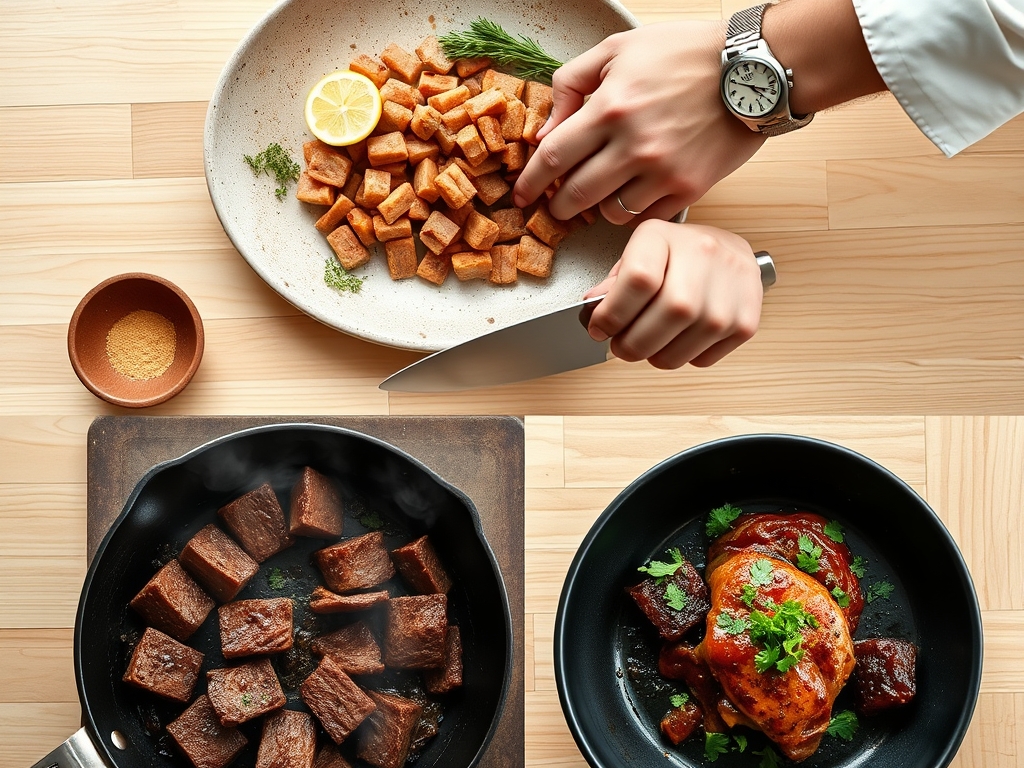
Pat your beef completely dry with a paper towel. Moisture is the enemy of the Maillard reaction. Place the meat into a shimmering oil in your skillet. Use tongs to press the meat down, ensuring maximum contact with the heat source.
Pro Tip: This is the science of thermal carryover. If you want a perfect medium-rare, pull the beef off the heat when it is 5 degrees below your target temperature. The residual energy will continue to cook the center while the fibers relax.
2. Deglazing for Depth
Once the meat is removed, you will see brown bits stuck to the pan. This is "fond," and it is pure gold. Pour in a small amount of beef bone broth or water and use a saucier whisk or wooden spoon to scrape it up.
Pro Tip: Deglazing utilizes solubility. The flavor compounds created during browning are water-soluble. By adding liquid, you capture those complex molecules and create a built-in sauce for your eggs.
3. Aerating the Eggs
If your recipe includes eggs, whisk them vigorously in a stainless steel bowl until they are pale and frothy. You want to aerate the proteins to ensure a light, pillowy texture that contrasts with the dense beef.
Pro Tip: Adding a pinch of salt 15 minutes before cooking (denaturing) helps the egg proteins stay tender. This prevents the rubbery texture often caused by rapid protein coagulation.
4. Emulsifying the Finish
For the final touch, stir in a knob of cold butter or a spoonful of Greek yogurt into your pan sauce. Use a whisk to create a stable emulsion.
Pro Tip: Cold fats incorporate more smoothly into hot liquids than room-temperature ones. This creates a glossy, professional finish that coats the back of a spoon.
The Deep Dive:
From a macro perspective, these breakfast beef recipes are a powerhouse. A standard serving provides roughly 35 to 45 grams of protein, essential for triggering muscle protein synthesis early in the day. It also provides a significant dose of heme iron and B12, which are more bioavailable than their plant-based counterparts.
Dietary Swaps:
- Keto: Double down on the fats by topping your beef with a tallow-based hollandaise.
- Vegan Swap: While this guide focuses on beef, a crumbled tempeh seasoned with liquid smoke and soy sauce can mimic the savory profile.
- Gluten-Free: Ensure your spices are certified GF and use tamari instead of soy sauce for deglazing.
The Fix-It:
- Tough Meat: You likely crowded the pan, causing the temperature to drop and the meat to steam rather than sear. Solution: Cook in batches.
- Bitter Flavor: Your garlic or spices burned. Solution: Add aromatics in the last 60 seconds of cooking.
- Greasy Plate: The fat didn't emulsify. Solution: Add a teaspoon of mustard or a splash of lemon juice to act as a binder.
Meal Prep Science:
To reheat beef without it turning into leather, use a low-power setting on the microwave or a quick flash in a hot pan with a tablespoon of broth. This introduces moisture and prevents the proteins from tightening further.
The Wrap-Up:
You are now armed with the technical prowess to turn a simple cut of meat into a gourmet morning experience. Remember, great cooking is as much about physics as it is about flavor. By respecting the sear, mastering the deglaze, and understanding the rest, you elevate your breakfast beef recipes from basic fuel to a culinary masterpiece. Grab your favorite skillet and let the kitchen become your laboratory. You have a big day ahead; feed it well.
The Kitchen Table:
Why is beef a good breakfast choice?
Beef provides high-quality protein and heme iron, which supports energy levels and satiety. Unlike sugary cereals, beef prevents insulin spikes, keeping you focused and full until lunch while supporting muscle recovery and metabolic health.
What is the best cut for quick breakfast beef recipes?
Flank steak or shaved ribeye are ideal. They have a high surface area, allowing for a rapid sear in under five minutes. These cuts remain tender when cooked quickly over high heat, making them perfect for busy mornings.
How do I prevent my breakfast beef from being tough?
Always slice against the grain to shorten muscle fibers. Additionally, allow the meat to rest for five minutes after cooking. This allows the juices to redistribute, ensuring a tender, succulent bite rather than a dry, chewy texture.
Can I meal prep beef for the whole week?
Yes. Searing a large roast or browning ground beef on Sunday works well. Store in airtight containers. When reheating, add a splash of water or broth to maintain moisture and prevent the proteins from becoming overly tough or dry.