
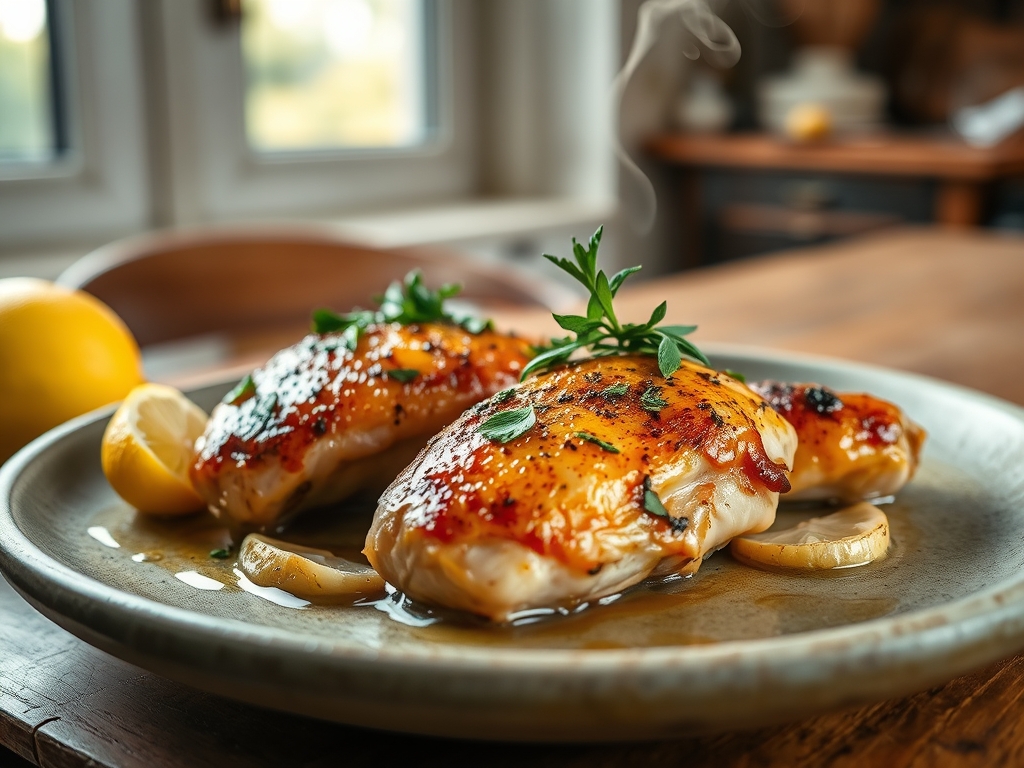
Picture the sizzle of cold protein hitting a shimmering layer of fat in a preheated heavy-bottomed skillet. That immediate, intoxicating aroma of searing poultry combined with the sharp, piquant scent of citrus is more than just dinner; it is chemistry in motion. When you master chicken recipes with lemon and garlic, you are balancing acid, aromatics, and the Maillard reaction.
The magic happens at exactly 285 degrees Fahrenheit. This is where amino acids and reducing sugars transform into hundreds of flavor compounds that smell like home. Lemon provides the necessary acidity to brighten the heavy fats, while garlic offers the sulfurous depth that grounds the dish. This guide is your roadmap to nine variations of this classic pairing, from buttery pan sauces to crisp, roasted thighs. We are going to dive deep into the molecular reasons why these ingredients work so well together, ensuring your kitchen smells like a five-star bistro every single night.
The Gathers:
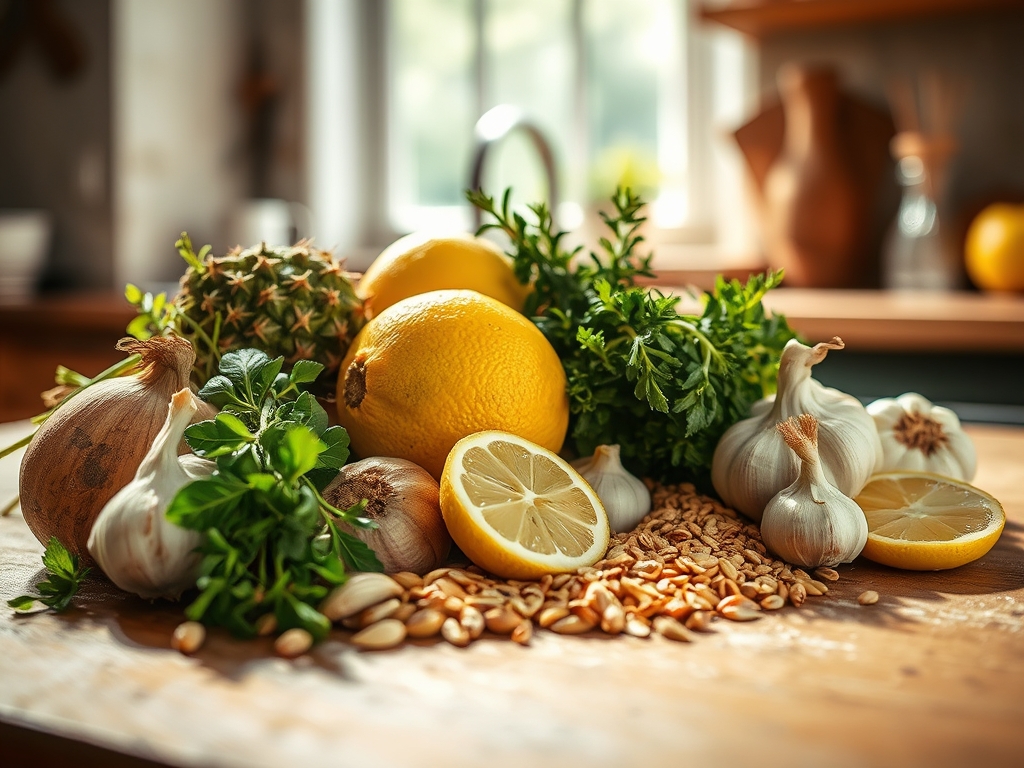
Before you even touch a burner, your mise-en-place must be flawless. Start with your protein. Whether you choose skin-on thighs for their high collagen content or lean breasts, ensure they are patted dry with paper towels. Moisture is the enemy of a crisp sear; water creates steam, and steam prevents browning. Use a digital scale to measure your ingredients for consistency, especially when balancing the ratio of fat to acid.
Your aromatics require specific handling. Use a microplane to harvest the zest from your lemons. The zest contains essential oils like limonene, which provide a concentrated citrus punch without the sourness of the juice. For the garlic, use a sharp chef's knife to mince or a garlic press to release the oils. If you want a milder flavor, leave the cloves whole and smashed to infuse the oil gently.
Smart Substitutions:
If you find yourself without fresh lemons, a splash of high-quality white wine vinegar or verjus can mimic that necessary acidity. For a garlic alternative, shallots provide a similar aromatic profile with a sweeter, more refined finish. If you are avoiding butter, use a high-smoke-point oil like avocado oil or Ghee, which allows for a harder sear without the risk of burning milk solids.
The Clock: Timing Your Chef's Flow
Efficiency in the kitchen is about managing "The Flow." For most chicken recipes with lemon and garlic, you are looking at a 15-minute prep window and a 20-to-30-minute cook time. The secret to professional speed is the bench scraper. Use it to clear your board instantly, keeping your workspace sterile and organized.
Start by tempering your chicken; let it sit at room temperature for 20 minutes. This ensures the fibers do not seize when hitting the heat, leading to more even thermal distribution. While the chicken rests, prep your sauce base. If you are roasting, preheat your oven to 425 degrees Fahrenheit. High heat is essential for rendering the subcutaneous fat in the skin, turning it into a golden, glass-like crust.
The Masterclass:
1. The Sear and Render
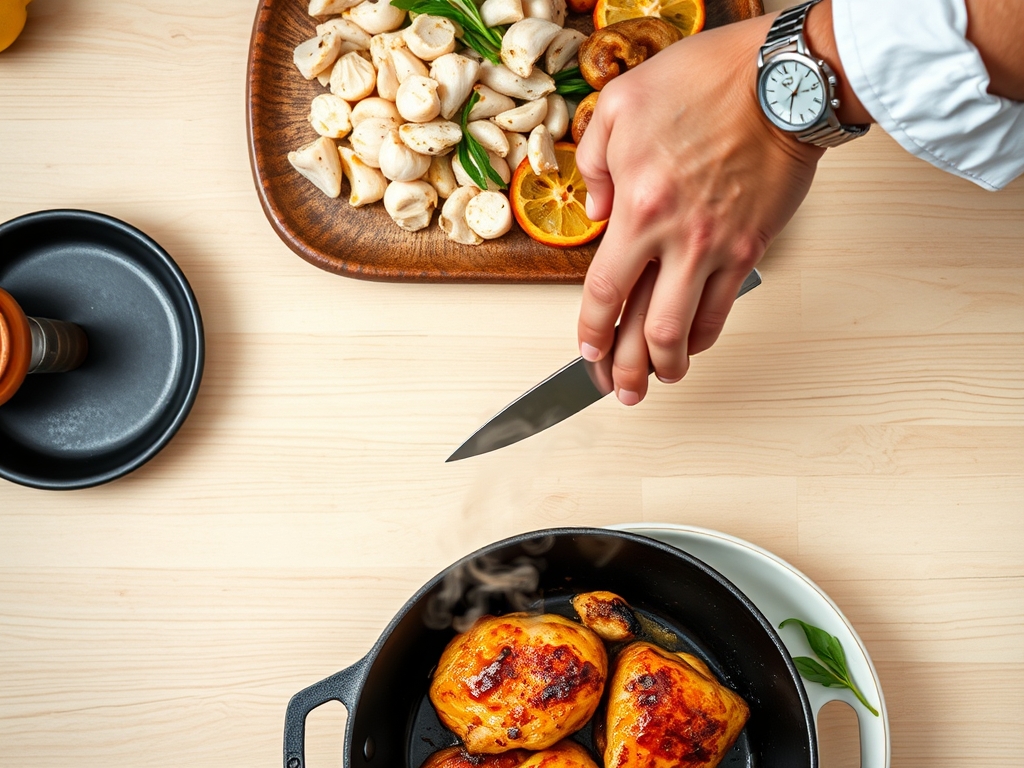
Place your seasoned chicken skin-side down in a cold skillet, then turn the heat to medium-high. This "cold start" method allows the fat to render slowly, resulting in maximum crispness without overcooking the meat. Use stainless steel or cast iron for the best heat retention.
Pro Tip: This technique utilizes thermal conduction. By starting cold, you prevent the surface proteins from tightening too quickly, which traps moisture inside while the exterior dehydrates into a crunch.
2. The Deglaze
Once the chicken is golden and has naturally released from the pan, remove it and set it aside. You will see brown bits stuck to the bottom; this is "fond." Pour in your lemon juice or a splash of chicken stock. Use a wooden spoon to scrape these bits into the liquid.
Pro Tip: Deglazing is a chemical extraction. The liquid dissolves the caramelized proteins (fond), incorporating those deep, savory notes directly into your sauce for a complex flavor profile.
3. The Aromatic Infusion
Lower the heat before adding your garlic. Garlic has a low scorch point due to its high sugar content. Sauté it just until it becomes translucent and fragrant, which usually takes about 60 seconds. If it turns dark brown, it will become bitter and ruin the sauce.
Pro Tip: This is lipid-based infusion. The fats in the pan act as a solvent, pulling the fat-soluble flavor compounds out of the garlic and distributing them evenly throughout the dish.
4. The Emulsification
To finish the sauce, whisk in cold cubes of butter or a splash of heavy cream. This creates a glossy, viscous coating that clings to the chicken. Use a saucier for this step if possible, as the rounded bottom prevents ingredients from getting stuck in the corners.
Pro Tip: This creates a temporary emulsion. The cold butter prevents the sauce from "breaking" (separating into oil and water), resulting in a velvety texture that coats the palate.
The Deep Dive:
From a nutritional standpoint, these chicken recipes with lemon and garlic are powerhouses. A standard 6-ounce serving of chicken breast provides roughly 50 grams of lean protein. Lemon juice adds a boost of Vitamin C, which aids in the absorption of iron found in the poultry. If you are following a Keto lifestyle, lean into the thighs and use grass-fed butter for healthy fats. For a vegan twist, swap the chicken for extra-firm tofu or cauliflower steaks, following the same searing and glazing principles.
The Fix-It: Common Pitfalls
- The Sauce is Too Thin: If your sauce looks like soup, simmer it for three more minutes to reduce the water content, or whisk in a tiny "slurry" of cornstarch and water.
- The Garlic is Burnt: There is no saving burnt garlic. Wipe the pan and start over; the bitterness will permeate the entire dish if you don't.
- The Chicken is Dry: This is usually due to carryover cooking. Remove the chicken when a digital thermometer reads 160 degrees Fahrenheit; it will reach the safe 165 degrees while resting.
Meal Prep and Reheating:
To maintain "day-one" quality, reheat your chicken in a covered skillet with a tablespoon of water or stock. This creates a steam chamber that rehydrates the protein fibers. Avoid the microwave if possible, as it vibrates water molecules too violently, often resulting in a "rubbery" texture.
The Wrap-Up:
Mastering chicken recipes with lemon and garlic is like learning the fundamental chords of a song. Once you understand the balance of acid, fat, and heat, you can improvise with herbs like rosemary or spices like red pepper flakes. Your kitchen is a lab, and every meal is a successful experiment in flavor. Now, grab those tongs and get searing!
The Kitchen Table:
How do I keep the lemon from tasting bitter?
Avoid zest with the white pith attached. The pith contains bitter alkaloids that intensify when heated. Only use the bright yellow outer layer, and add fresh lemon juice at the very end of the cooking process to preserve its bright, volatile oils.
Can I use bottled lemon juice instead of fresh?
Fresh is always superior. Bottled juice is pasteurized, which destroys the delicate enzymes and bright flavor notes. Fresh lemons provide the essential oils from the zest and the vibrant acidity needed to balance the heavy, savory garlic and chicken fats.
Why does my garlic turn blue or green?
This is a natural reaction between the sulfur in the garlic and the acid in the lemon juice. It is called a "polyphenol reaction" and is perfectly safe to eat. To prevent it, use very fresh garlic and avoid high-acid marinades.
What is the best way to get a crispy skin?
Dry the skin thoroughly with paper towels and salt it at least 30 minutes before cooking. This draws out surface moisture. Use a heavy-bottomed skillet and do not crowd the pan, which allows steam to escape rather than softening the skin.