
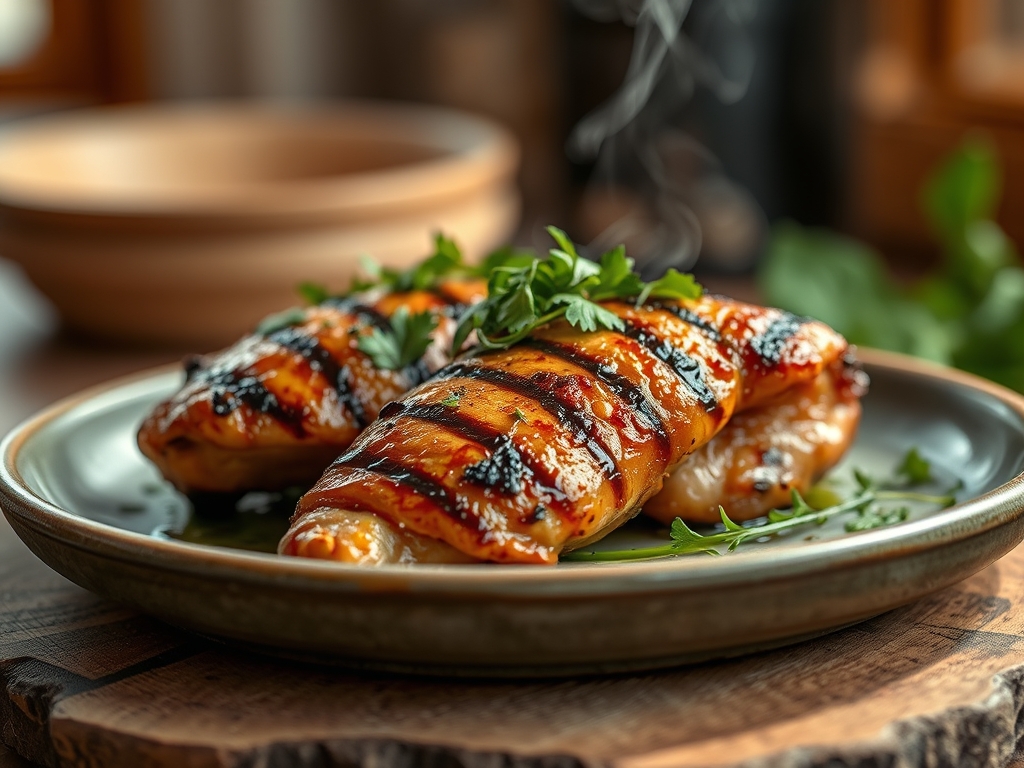
Picture the scent of charred oak and caramelized sugars wafting through the backyard as the sun begins its slow descent. We have all been there; staring at a plate of parched, flavorless poultry that requires a gallon of barbecue sauce just to swallow. Mastering the ultimate grilled chicken recipes marinade is not just about flavor; it is a calculated chemical intervention designed to transform lean protein into a succulent masterpiece. This process relies on the delicate balance of acids, fats, and aromatics to penetrate the dense muscle fibers of the breast or thigh. When you understand the molecular mechanics of how salt denatures proteins to trap moisture, you stop being a cook and start being a culinary architect. Today, we are diving deep into the nine secrets that turn a basic weeknight meal into a legendary feast. We will explore how to achieve that perfect mahogany crust while maintaining a gushing, tender interior. Grab your apron and your favorite tongs; it is time to revolutionize your grilling game with precision and wit.
The Gathers:
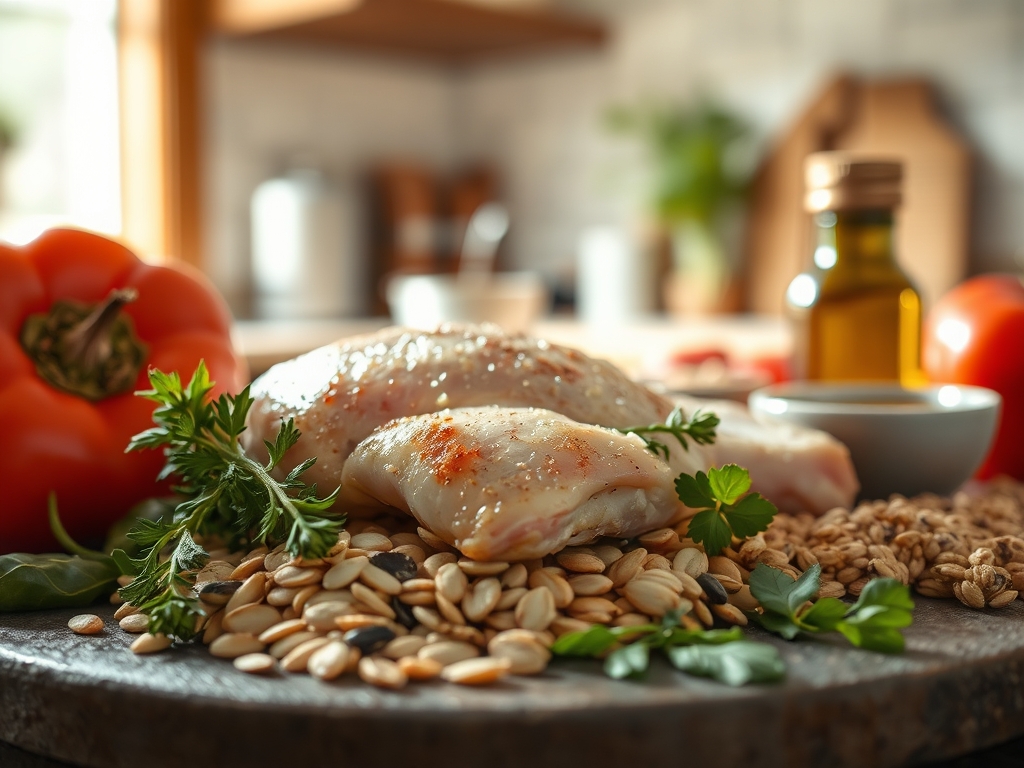
To execute a world class grilled chicken recipes marinade, your mise-en-place must be intentional. We begin with a high quality fat, typically an oil with a high smoke point like avocado or grapeseed oil, which acts as a viscous carrier for fat soluble flavor compounds. Next, we introduce the piquant acidity of fresh citrus or apple cider vinegar to brighten the profile. For the salt component, reach for Diamond Crystal kosher salt or a fermented soy sauce to initiate the brining process.
The aromatics require a microplane for maximum surface area; zesting your lemons and grating your garlic into a paste ensures the oils are fully released into the emulsion. If you lack fresh herbs, a high quality dried oregano or thyme can be substituted, but you must bloom them in the oil first to rehydrate their volatile oils. For a smart substitution, try using Greek yogurt as your base instead of oil. The lactic acid in yogurt provides a gentler, more enzymatic tenderization process compared to the harshness of vinegar. If you are out of honey for sweetness, a splash of maple syrup or even a pinch of brown sugar will provide the necessary glucose for the Maillard reaction to occur once the meat hits the grates.
The Clock
Efficiency in the kitchen is all about the Chef's Flow. This is the rhythmic sequence of tasks that ensures nothing is rushed and nothing is stagnant. Your preparation time for the marinade itself is a mere ten minutes, provided your knives are sharp and your workstation is clear. However, the true "active" time happens in the waiting.
For optimal results, chicken breasts require a minimum of two hours but no more than six hours in the marinade; any longer and the acid will begin to "cook" the meat, resulting in a chalky texture. Thighs are more resilient and can handle up to twelve hours. Once on the grill, you are looking at a cook time of twelve to fifteen minutes depending on the thickness of the cut. Always factor in a mandatory ten minute rest period after cooking. This allows the internal juices to redistribute, ensuring that the first cut does not result in a dry piece of meat.
The Masterclass
1. The Emulsification Phase
Before the chicken ever touches the liquid, you must create a stable emulsion. Use a stainless steel whisk or a small saucier to combine your oil and acid. Slowly drizzle the oil into the acid while whisking vigorously to suspend the droplets.
Pro Tip: This creates a uniform coating that prevents the oil from separating on the grill, which would otherwise cause dangerous flare ups and uneven charring.
2. The Surface Area Strategy
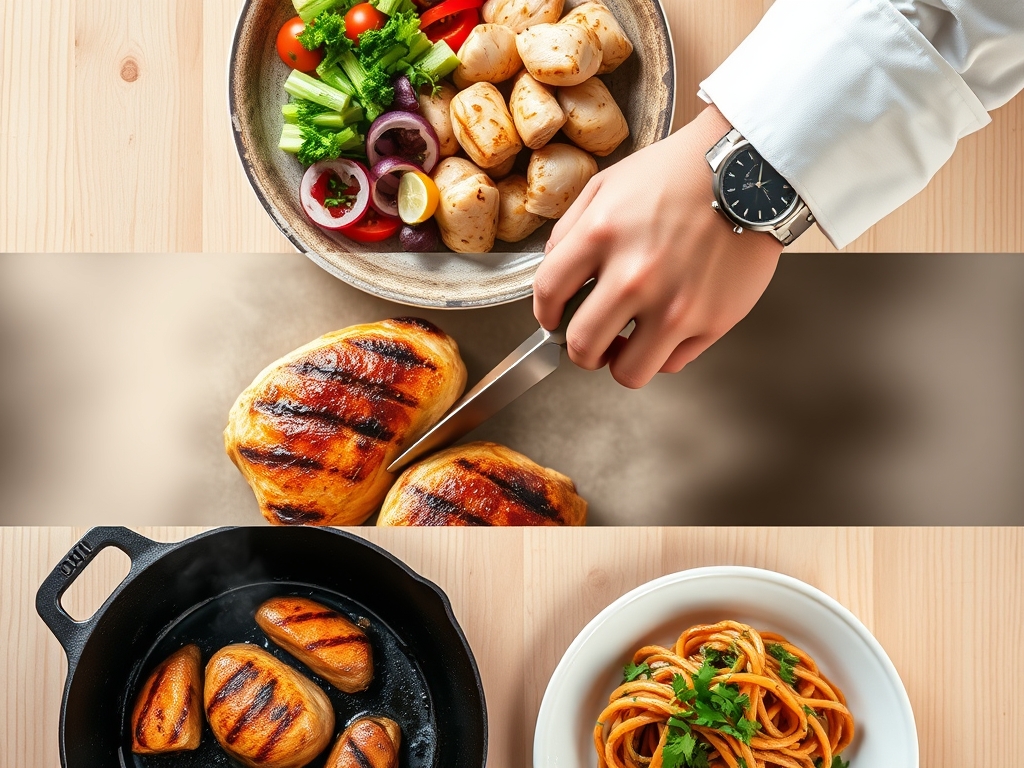
Take a sharp chef's knife and lightly score the surface of the chicken in a crosshatch pattern. You only need to go about an eighth of an inch deep. This increases the surface area for the marinade to penetrate.
Pro Tip: Scoring the meat facilitates osmotic pressure, allowing the salt and flavor molecules to travel deeper into the muscle tissue rather than just sitting on the surface.
3. The Aeration of Aromatics
When adding garlic, ginger, or herbs, do not just toss them in. Use a mortar and pestle or the flat side of a knife to bruise the ingredients. This aerates the cells, releasing the essential oils that provide the "high notes" of your flavor profile.
Pro Tip: Releasing these oils before they hit the heat ensures they infuse the fat carrier, leading to a more complex and layered flavor.
4. The Vacuum Seal Technique
Place your chicken and marinade into a heavy duty zip top bag and squeeze out every bit of air before sealing. This forces the liquid into every crevice of the meat.
Pro Tip: Removing air prevents oxidation and ensures 100 percent contact between the marinade and the protein, accelerating the tenderization process.
5. The Tempering Period
Never take chicken straight from the refrigerator to the grill. Let the marinated meat sit on the counter for about twenty minutes to take the chill off.
Pro Tip: Tempering reduces the thermal shock to the protein fibers, which prevents the meat from seizing up and becoming tough when it hits the hot grates.
6. The Sear and Flip
Place the chicken on the hottest part of the grill to achieve a hard sear. Do not touch it for at least four minutes. Once it releases naturally from the grates, flip it using heavy duty tongs.
Pro Tip: This initial high heat triggers the Maillard reaction, creating hundreds of new flavor compounds through the interaction of amino acids and reducing sugars.
7. The Indirect Heat Finish
After the initial sear, move the chicken to a cooler part of the grill and close the lid. This turns your grill into an oven, allowing the center to cook through without burning the exterior.
Pro Tip: Using indirect heat prevents the exterior from overcooking while waiting for the internal temperature to reach safety levels, maintaining a moist interior.
8. The Digital Precision Check
Use a digital scale or, more importantly, an instant read thermometer to check for doneness. Pull the chicken off the grill when it hits 160 degrees Fahrenheit.
Pro Tip: Thermal carryover will cause the temperature to rise another five degrees while the meat rests, bringing it to the perfect, safe 165 degree mark without overcooking.
9. The Rest and Recovery
Transfer the chicken to a clean cutting board or a warm platter. Tent it loosely with foil and wait ten minutes before slicing.
Pro Tip: Resting allows the muscle fibers to relax and reabsorb the moisture that was pushed toward the center during the cooking process.
The Deep Dive
From a macro perspective, grilled chicken is a powerhouse of lean protein, typically offering 31 grams of protein per 4 ounce serving with minimal fat. To keep it Keto friendly, ensure your marinade uses erythritol or monk fruit instead of honey. For a Vegan alternative, this same marinade works wonders on extra firm tofu or tempeh; just be sure to press the water out of the tofu first so it can absorb the flavors.
If you run into trouble, here is "The Fix-It" guide. If your chicken is too salty, balance the finished dish with a squeeze of fresh lime or a dollop of honey. If the meat is sticking to the grill, your grates were likely not clean or hot enough; use a wire brush to deglaze the carbon buildup before the next batch. If the chicken is dry despite your best efforts, you likely overcooked it; next time, pull it off the heat five degrees earlier. For meal prep, reheat your chicken in a covered dish with a splash of chicken stock. This creates a steam chamber that prevents the protein from becoming rubbery, maintaining that "day-one" quality.
The Wrap-Up
Mastering the science of grilled chicken recipes marinade is the ultimate flex for any home cook. By focusing on emulsification, thermal carryover, and the chemistry of aromatics, you have moved beyond simple recipes and into the realm of culinary mastery. Remember that cooking is as much about the tools you use, like your microplane and tongs, as it is about the ingredients. Now, go forth and fire up those grates with confidence; your best meal yet is only a marinade away.
The Kitchen Table
How long should I marinate chicken for the grill?
For the best results, aim for two to six hours. Marinating longer than twelve hours can make the texture mushy because the acids break down the protein fibers too much. Always marinate in the refrigerator to ensure food safety.
Can I reuse the marinade as a sauce?
Only if you boil it first! To safely reuse marinade, place it in a saucier and bring it to a rolling boil for at least three minutes to kill any bacteria from the raw chicken. Alternatively, set aside a portion before adding the meat.
What is the best oil for grilling chicken?
Use an oil with a high smoke point like avocado, canola, or grapeseed oil. These oils can withstand the high heat of the grill without breaking down or creating off-flavors, unlike extra virgin olive oil or butter.
How do I stop chicken from sticking to the grill?
Ensure your grates are scrubbed clean and preheated thoroughly. Lightly coat the chicken in oil from your marinade and avoid moving the meat until it naturally releases from the grates, indicating a proper sear has formed.