
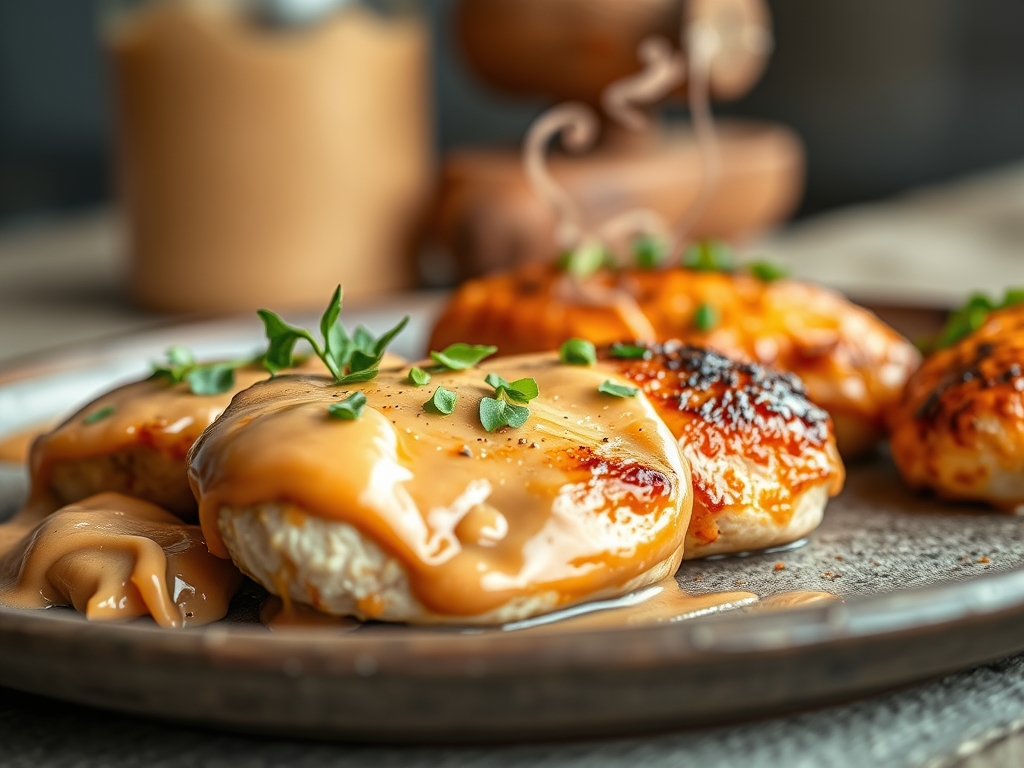
Imagine the scent of searing poultry hitting a heavy-bottomed skillet, immediately followed by the rich, roasted aroma of legumes. If you think legumes belong solely in a sandwich, your palate is missing a massive chemical opportunity. Mastering peanut butter and chicken recipes is about balancing the piquant zip of lime with the dense, fatty luxury of ground nuts.
Peanut butter is more than a spread; it is a complex emulsifier that binds sauces together while providing a massive hit of protein and healthy fats. When you introduce the high-heat Maillard reaction of chicken to the velvety texture of a peanut-based marinade, you create a flavor profile that is both nostalgic and deeply sophisticated. Whether you are craving a spicy West African stew or a zesty Thai satay, these peanut butter and chicken recipes leverage molecular science to deliver a satisfying, savory punch that lingers on the tongue.
The Gathers:
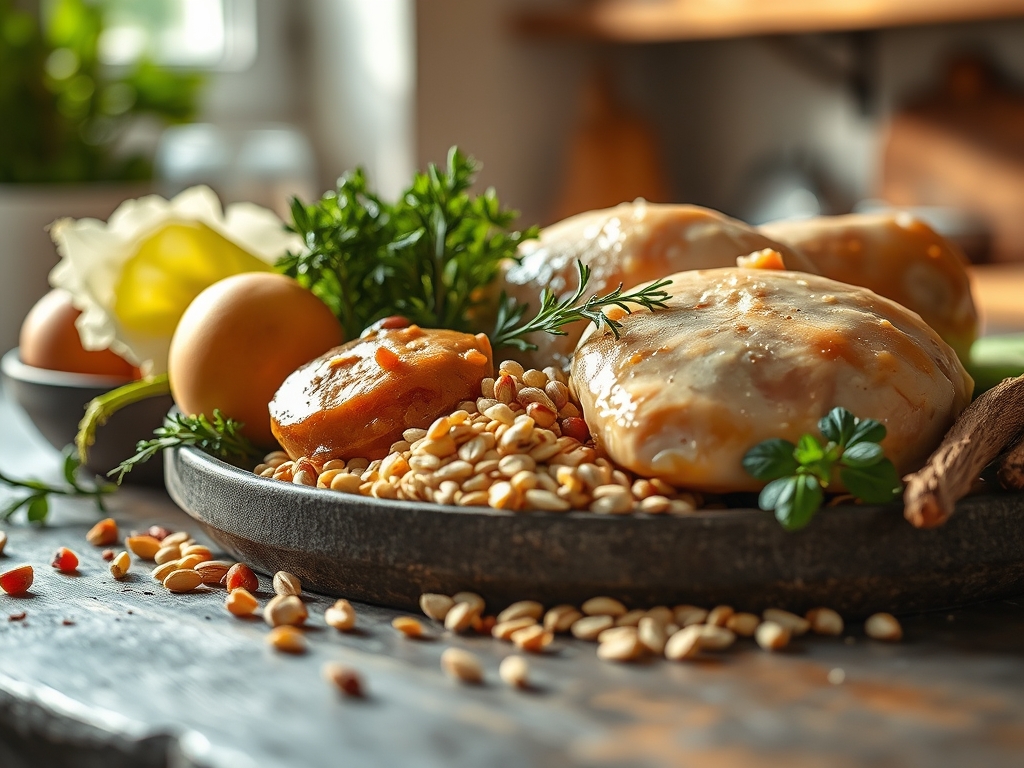
To execute these peanut butter and chicken recipes with precision, your mise-en-place must be flawless. Start with your protein: organic chicken thighs are preferred over breasts because their higher fat content prevents drying during the high-heat searing process. You will need a high-quality, natural peanut butter. Look for "salt and peanuts only" on the label; stabilizers like palm oil can interfere with the viscous nature of your pan sauce.
Gather your aromatics. Fresh ginger and garlic should be grated with a microplane to maximize surface area, allowing their volatile oils to infuse the oil instantly. For the liquid base, keep a can of full-fat coconut milk and a bottle of high-quality fish sauce nearby. The fish sauce provides the essential umami backbone that elevates the peanut flavor from "sweet snack" to "savory masterpiece."
Smart Substitutions: If you are dealing with a legume allergy, sunflower seed butter offers a similar fatty profile, though it lacks the specific roasted depth of peanuts. For a lower-calorie version, you can use powdered peanut butter reconstituted with a splash of bone broth, though you will lose some of the silky mouthfeel provided by the natural oils.
The Clock: Mastering the Flow
Efficiency in the kitchen is about the Chef's Flow. For most peanut butter and chicken recipes, you are looking at a 15-minute prep window and a 20-minute cook time. The secret is overlapping your tasks. While your chicken is marinating, you should be dicing your garnish and whisking your sauce.
Total time usually clocks in at 35 to 45 minutes. If you are using a digital scale to measure your peanut butter, you will save time on cleanup. Never underestimate the power of a 10-minute rest for your chicken post-cook; this allows the juices to redistribute, ensuring every bite is succulent rather than stringy.
The Masterclass:
1. The Sear and Render
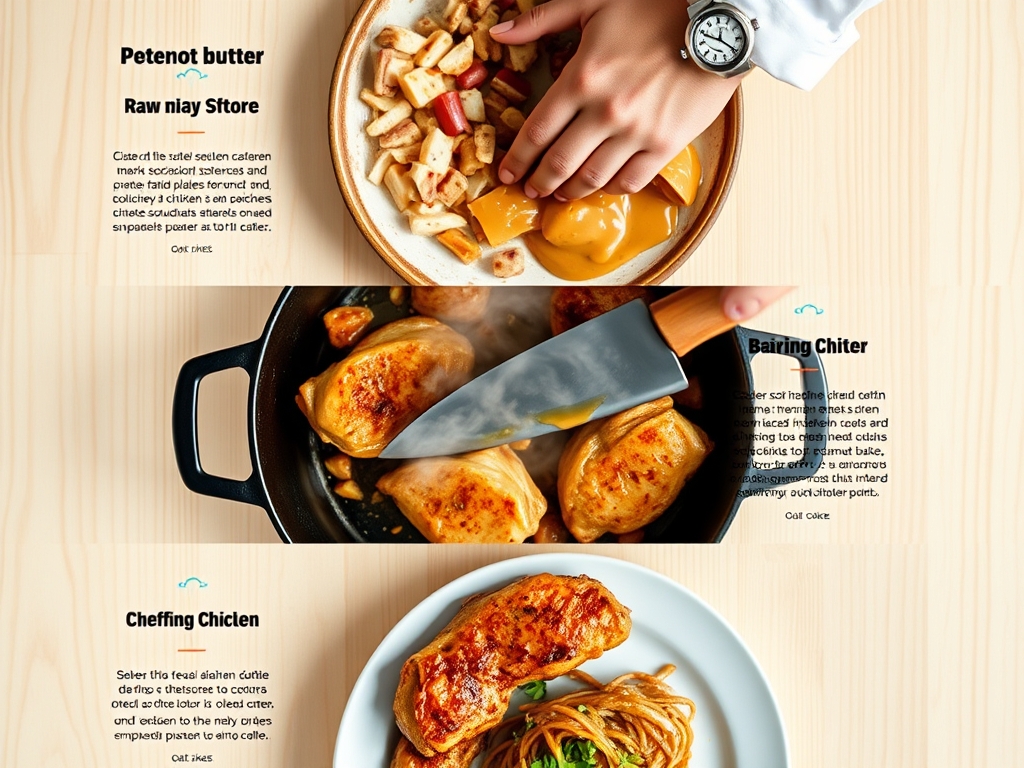
Place your chicken in a preheated heavy-bottomed skillet with a high-smoke-point oil like avocado oil. Do not crowd the pan. You want to see a deep, golden-brown crust form on the skin or surface. Use tongs to flip the pieces only once the meat releases naturally from the pan.
Pro Tip: This is the Maillard reaction in action. By creating a crust, you are developing hundreds of different flavor compounds that do not exist in raw meat. If the pan is too cold, the meat will steam rather than sear, resulting in a rubbery texture.
2. Deglaze and Infuse
Once the chicken is browned, remove it and set it aside. Use a saucier or the same skillet to sauté your aromatics. Add a splash of rice vinegar or lime juice to deglaze the pan, using a bench scraper or wooden spoon to lift the "fond" (the brown bits) from the bottom.
Pro Tip: Deglazing captures the concentrated proteins stuck to the pan. These bits are flavor gold. The acidity in the vinegar also helps to balance the heavy fats coming in the next step.
3. The Emulsification
Reduce the heat to medium-low. Whisk in your peanut butter, coconut milk, and spices. You want to aerate the sauce slightly as you whisk to create a smooth, unified emulsion. If the sauce looks broken or oily, add a tablespoon of warm water and whisk vigorously.
Pro Tip: Peanut butter contains natural lecithin, which acts as a stabilizer. However, if the heat is too high, the fats will separate from the solids. Keeping the temperature moderate ensures a creamy, viscous coating for your poultry.
4. The Simmer and Finish
Return the chicken to the pan. Let it simmer gently in the sauce until the internal temperature reaches 165 degrees Fahrenheit. Garnish with crushed peanuts, fresh cilantro, and a squeeze of lime to provide a bright contrast to the earthy sauce.
Pro Tip: This stage utilizes thermal carryover. Even after you turn off the heat, the internal temperature of the chicken will rise by 3 to 5 degrees. Pulling the meat just before it hits the target prevents overcooking.
The Deep Dive:
When we look at the macro nutrition of peanut butter and chicken recipes, we see a powerhouse of fuel. A standard serving provides roughly 35g of protein and 15g of healthy monounsaturated fats. It is a high-satiety meal that keeps blood sugar stable.
Dietary Swaps:
- Keto: Replace any sugar or honey in the sauce with liquid monk fruit. Serve over riced cauliflower.
- Vegan: Swap the chicken for extra-firm tofu or chickpeas. Ensure you press the tofu first to remove excess moisture.
- Gluten-Free: Always use tamari or liquid aminos instead of standard soy sauce.
The Fix-It:
- Sauce is too thick: Whisk in chicken broth one tablespoon at a time until the desired consistency is reached.
- Sauce is too salty: Add a teaspoon of honey or brown sugar. The sweetness counteracts the sodium.
- Chicken is dry: You likely skipped the resting phase or used high heat for too long. Next time, use a meat thermometer to pull the chicken at 160 degrees.
Meal Prep Science:
Peanut butter sauces actually improve after 24 hours as the spices infuse deeper into the fats. To reheat, avoid the microwave if possible. Use a small saucepan over low heat and add a splash of water to loosen the sauce. This prevents the oils from separating and turning the dish greasy.
The Wrap-Up:
You are now officially equipped to dominate the world of peanut butter and chicken recipes. By understanding the chemistry of emulsification and the importance of the Maillard reaction, you have graduated from a basic home cook to a culinary scientist. These dishes are bold, comforting, and guaranteed to impress anyone sitting at your table. Grab your skillet and get to work!
The Kitchen Table:
How do I prevent peanut sauce from breaking?
Keep the heat at medium-low and add liquids gradually. If the sauce separates, whisk in a teaspoon of warm water or lime juice to re-emulsify the fats and solids into a smooth, creamy texture.
Can I use crunchy peanut butter for these recipes?
Yes, crunchy peanut butter adds a delightful textural contrast. If you prefer a completely smooth, velvety sauce, stick with creamy varieties. Both provide the same deep, roasted flavor profile and essential healthy fats.
What is the best way to store leftovers?
Store in an airtight glass container in the refrigerator for up to four days. Because the sauce thickens when cold, add a splash of broth or water before reheating on the stovetop to restore its original consistency.
Is peanut butter and chicken healthy?
Absolutely. This combination is rich in high-quality protein, niacin, and healthy fats. To keep it balanced, serve with plenty of fiber-rich vegetables like steamed broccoli, bell peppers, or snap peas to offset the caloric density of the nuts.