
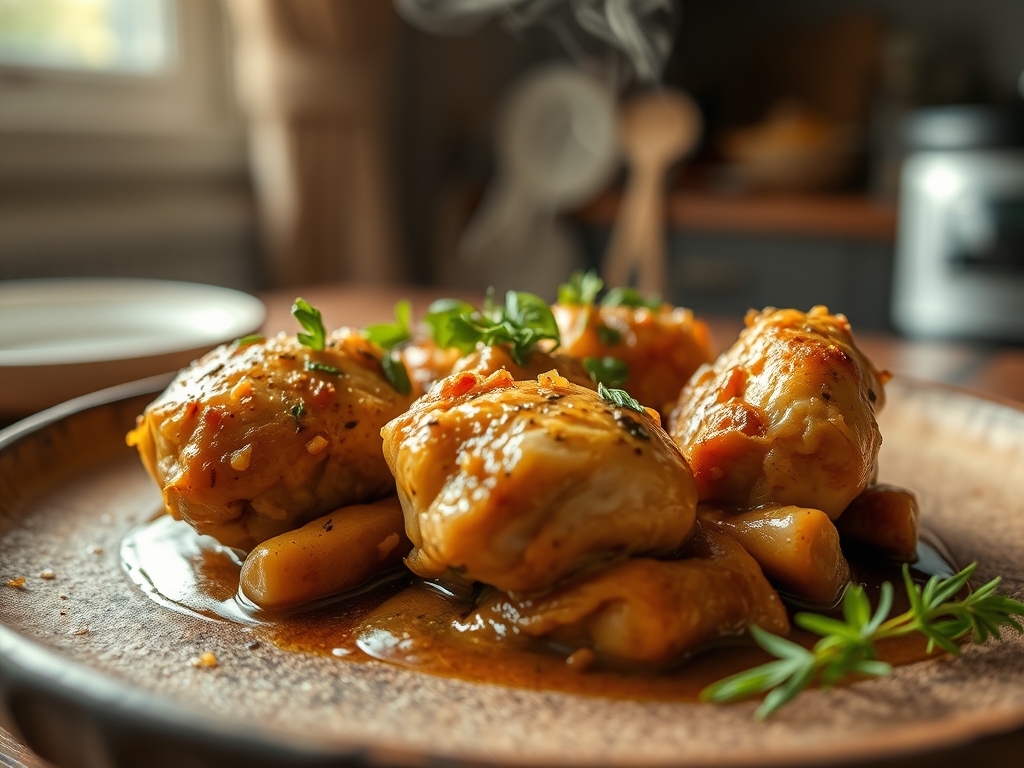
Imagine the scent of slow-simmered garlic and rosemary wafting through your hallway the moment you turn the key in the lock. There is a specific kind of domestic magic found in chicken recipes crockpot enthusiasts swear by; it is the ability to transform a humble, lean protein into a succulent masterpiece while you are busy conquering the world. We are moving past the era of bland, watery stews. Today, we are leveraging molecular gastronomy and thermal precision to ensure your slow cooker performs like a high-end French saucier. Whether you are craving a piquant Thai curry or a velvety Coq au Vin, the secret lies in understanding how low-frequency heat interacts with connective tissues. We are about to dive into six foundational dishes that will redefine your weeknight rotation. Get your digital scale ready because we are balancing flavors with surgical accuracy. This is not just cooking; it is an exercise in edible thermodynamics designed to make your life infinitely more delicious.
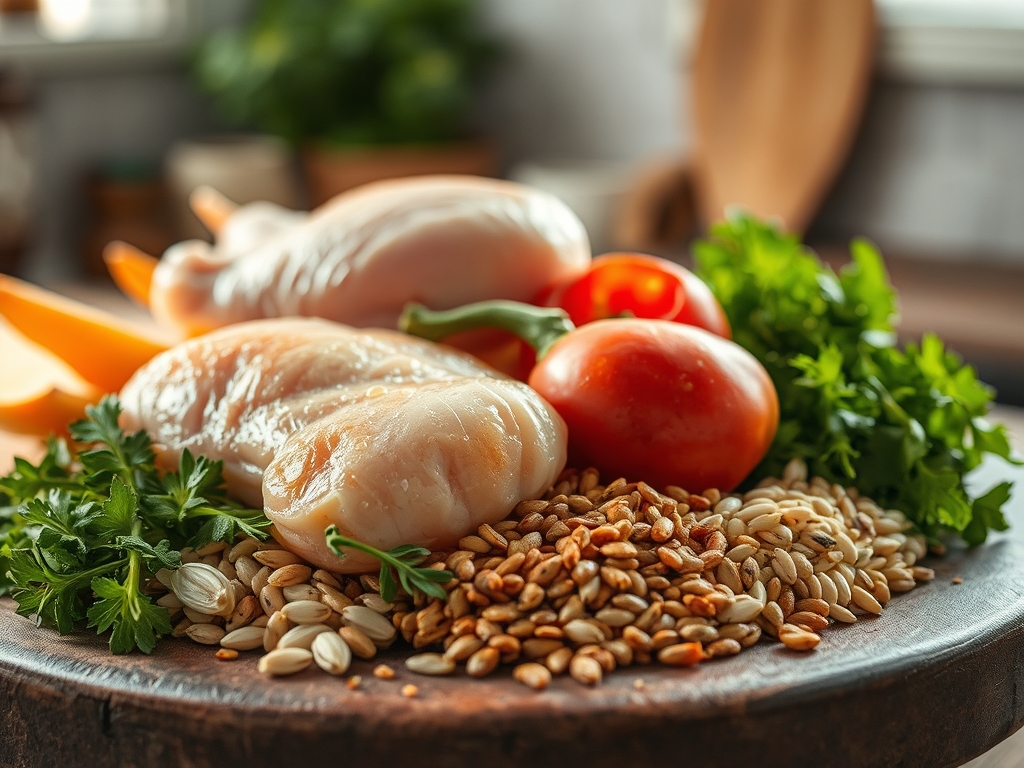
The Gathers:
To achieve professional results, your mise-en-place must be impeccable. We start with the protein: organic thighs or breasts. Thighs contain more myoglobin and connective tissue, which translates to a more viscous, silkier mouthfeel after a long braise. You will need high-quality aromatics like shallots, garlic, and ginger. Do not just chop them; use a microplane for the ginger to break down the fibrous cellulose, allowing the juices to infuse the cooking liquid instantly.
For the liquids, keep a bottle of dry white wine or a rich bone broth nearby to deglaze any browned bits if you choose to sear first. Your pantry staples should include high-smoke-point oils, kosher salt for cellular osmosis, and acidic components like apple cider vinegar or fresh lime to brighten the heavy fats.
Smart Substitutions:
If you are out of fresh aromatics, use high-quality dried powders at a ratio of one teaspoon to one tablespoon of fresh. For a dairy-free creamy base, swap heavy cream for full-fat coconut milk; the medium-chain triglycerides provide a similar lipid profile and luxurious texture without the lactose. If you need to thicken a sauce without gluten, a slurry of arrowroot powder works better than cornstarch in slow-cooked environments because it remains stable at high temperatures for longer durations.
The Clock: Timing the Masterpiece
The "Chef's Flow" is all about overlapping tasks to minimize active labor. Most of these chicken recipes crockpot variations require about 15 to 20 minutes of active prep. This includes the "sear and clear" phase where you use a heavy-bottomed skillet to initiate the Maillard reaction before transferring ingredients to the ceramic crock.
Cooking times generally fall into two categories: Low for 6 to 8 hours or High for 3 to 4 hours. Scientifically, the "Low" setting is superior for chicken. It allows the collagen to transition into gelatin slowly without tightening the muscle fibers into a rubbery mess. Aim to start your prep at 8:00 AM for a 6:00 PM dinner. This leaves a "buffer hour" where the machine shifts to a "Warm" setting, allowing for thermal carryover and moisture redistribution within the meat fibers.
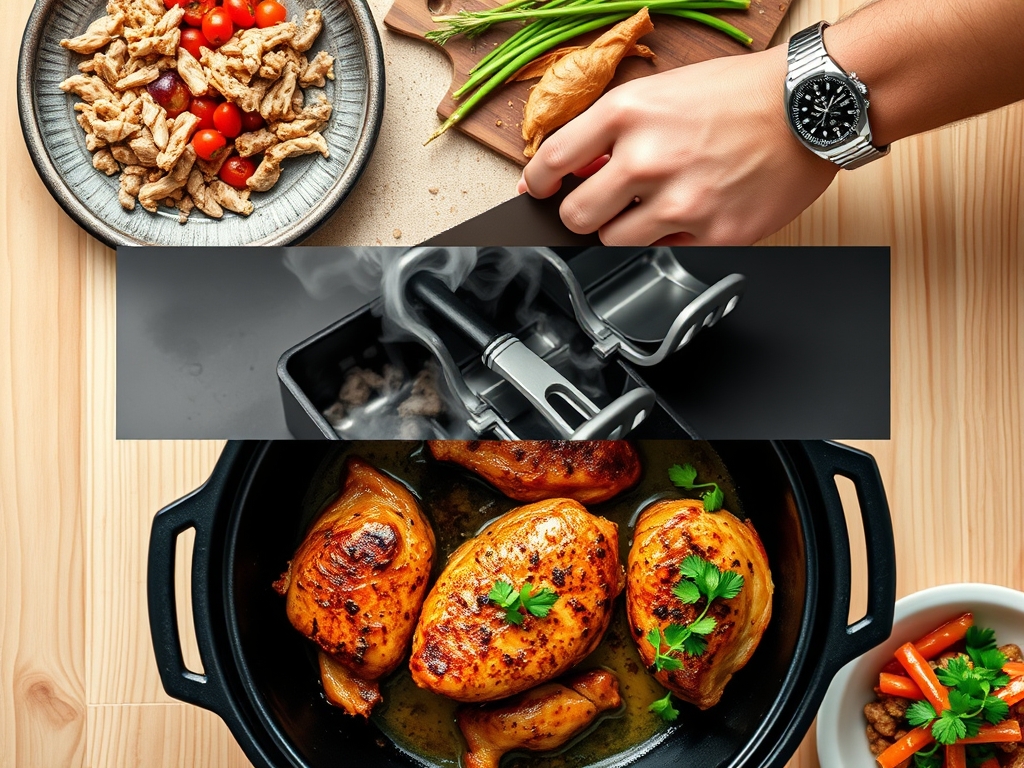
The Masterclass:
1. The Sear and Deglaze
Before the chicken ever touches the crockpot, pat it bone-dry with paper towels. Heat your heavy-bottomed skillet until the oil shimmers. Sear the chicken skin-side down until deep golden brown. Remove the meat and add a splash of stock or wine to the pan, using a bench scraper or wooden spoon to lift the fond (the caramelized brown bits).
Pro Tip: This step utilizes the Maillard reaction, a chemical reaction between amino acids and reducing sugars that creates hundreds of different flavor compounds. Skipping this results in a "boiled" flavor profile rather than a roasted one.
2. Layering the Aromatics
Place your hard vegetables like carrots, potatoes, and onions at the very bottom of the crock. These require more direct contact with the heating element located at the base of the unit. Place the seared chicken on top of this vegetable "rack" to allow the rendered fats to drip down and infuse the veggies.
Pro Tip: This creates a convection-like environment. The vegetables act as an insulator for the chicken, preventing the bottom of the meat from overcooking while the steam circulates to cook the top evenly.
3. Emulsifying the Liquid Base
Pour your liquids and spices over the chicken, but do not submerge it entirely. Use a saucier to pre-mix your broth, herbs, and acids. This ensures that the spices are evenly distributed and do not clump in one corner of the pot.
Pro Tip: Maintaining a specific solute concentration in your liquid prevents the chicken from losing too much moisture through osmosis. A well-seasoned liquid keeps the juices inside the protein cells.
4. The Low and Slow Transition
Set your device to the "Low" setting. Resist the urge to lift the lid. Every time you open the crockpot, you lose approximately 15 to 20 degrees of internal heat and a significant amount of steam, which can add 30 minutes to your total cook time.
Pro Tip: Slow cookers rely on latent heat trapped within the ceramic walls. Frequent peeking disrupts the equilibrium and can lead to unevenly cooked poultry.
5. The Finishing Acid and Herb Pop
Ten minutes before serving, stir in your fresh herbs (like cilantro or parsley) and a squeeze of citrus. Use tongs to gently shred the chicken if the recipe calls for it, or leave the pieces whole for a more formal presentation.
Pro Tip: Heat degrades volatile organic compounds in fresh herbs. Adding them at the very end preserves their bright, piquant aroma and prevents them from turning bitter or gray.
6. The Final Reduction
If your sauce is too thin, transfer the liquid to a small pot and simmer it on the stove for five minutes. This concentrates the flavors and creates a more viscous coating for the meat.
Pro Tip: Reducing the liquid increases the viscosity through evaporation. This concentrates the glutamates, significantly boosting the savory "umami" profile of the entire dish.
The Deep Dive:
Macro Nutrition:
On average, a 6-ounce serving of slow-cooked chicken provides 35-40 grams of protein. By using the crockpot, you can minimize added fats since the meat cooks in its own juices. To keep it lean, remove the skin after cooking but before serving.
Dietary Swaps:
- Keto: Replace root vegetables with cauliflower florets or radishes, which mimic the texture of potatoes without the starch.
- Vegan: Use the same aromatic base but swap chicken for jackfruit or extra-firm tofu.
- GF: Ensure your chicken broth is certified gluten-free and use tamari instead of soy sauce.
The Fix-It:
- Too Salty: Add a peeled, halved potato for the last 30 minutes to absorb excess sodium, or balance with a teaspoon of sugar and a splash of vinegar.
- Too Watery: Whisk two tablespoons of the hot liquid with a tablespoon of flour or starch in a separate bowl before adding it back to the pot to prevent clumping.
- Tough Meat: This usually means it hasn't cooked long enough for the collagen to melt. Give it another 45 minutes on "Low."
Meal Prep:
When reheating, do not use the microwave on high power. This causes the protein to tighten and become "rubbery." Instead, reheat on the stove over low heat with a splash of extra broth to rehydrate the fibers. This maintains "day-one" quality.
The Wrap-Up:
Mastering chicken recipes crockpot style is about more than just convenience; it is about respecting the chemistry of slow-heat transfer. By browning your meat, layering your aromatics strategically, and finishing with fresh acids, you elevate a simple meal into a gourmet experience. These six dishes are your gateway to stress-free, high-flavor dining. Now, grab your tongs and get started!
The Kitchen Table:
Can I put frozen chicken in the crockpot?
It is not recommended for safety. Frozen meat stays in the "danger zone" temperature range (40F to 140F) for too long, allowing bacteria to multiply. Always thaw your chicken completely in the refrigerator before adding it to the slow cooker.
How do I prevent chicken from getting dry?
Use chicken thighs instead of breasts for better moisture retention. If using breasts, ensure there is enough liquid to create steam and avoid cooking for longer than 4 to 6 hours on the "Low" setting to prevent fiber contraction.
Do I have to brown the chicken first?
While not strictly necessary for safety, browning is essential for flavor. It initiates the Maillard reaction, creating complex savory notes and a better texture that simply cannot be achieved through slow cooking alone. It is worth the extra five minutes.
Can I cook vegetables and chicken together?
Yes, but placement matters. Always put dense root vegetables like carrots and potatoes at the bottom. They take longer to soften and need to be closer to the heating element, while the chicken sits on top to steam gently.