
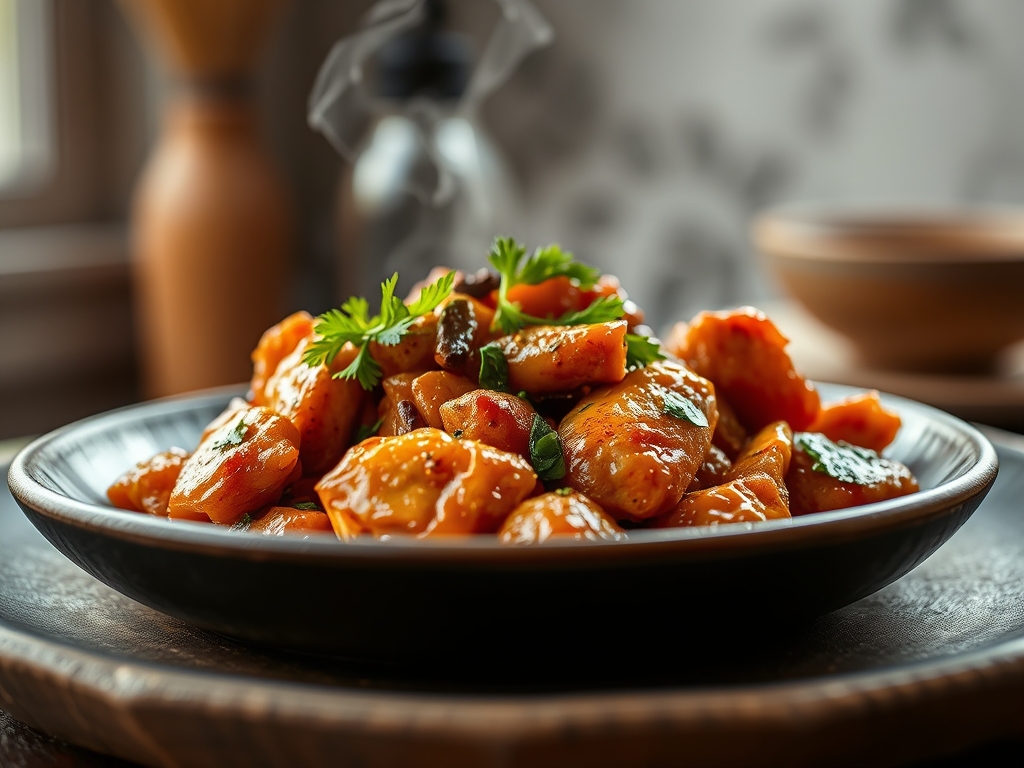
Steam rises in a fragrant, garlic-heavy cloud that hits your face the moment the protein touches the metal. It is the sound of a thousand tiny sizzles, a rhythmic percussion that promises dinner in under twenty minutes. When you are hunting for stir fry chicken recipes easy enough for a Tuesday but sharp enough for a date, you are really looking for the perfect marriage of high heat and rapid technique. It is about that specific, charred edge on a snap pea and the way a glossy sauce clings to velveted poultry. We are moving past soggy vegetables and rubbery meat today. We are diving into the physics of the wok to ensure every bite is a masterclass in texture and timing.
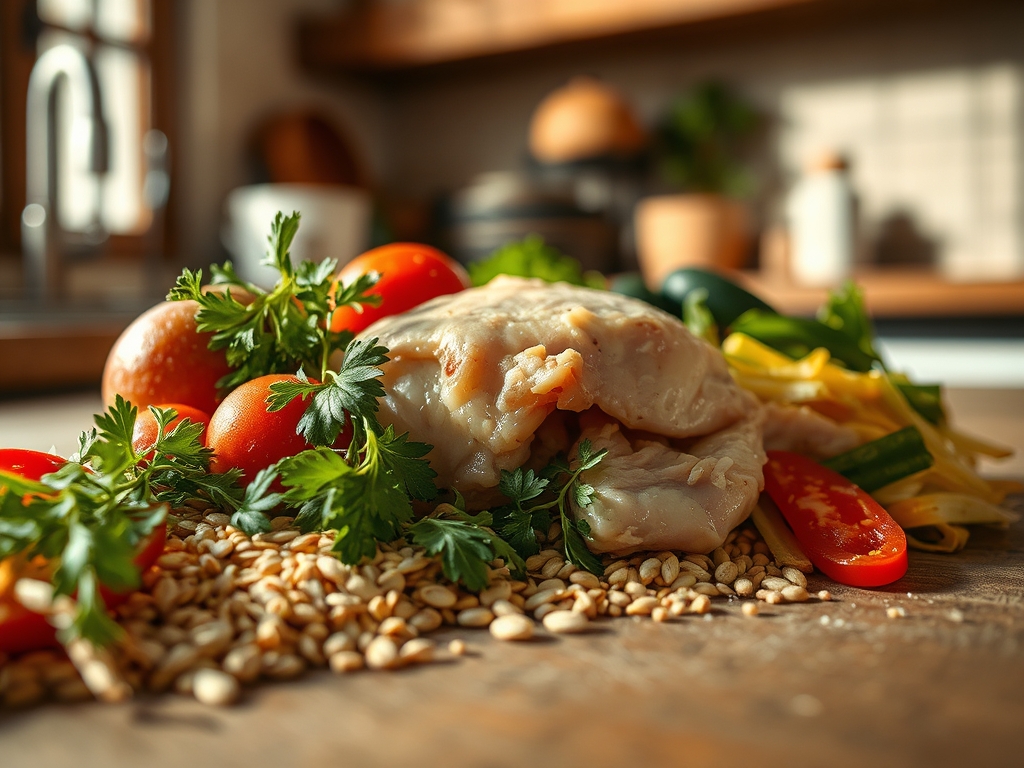
The Gathers:
Success in the kitchen is 80 percent preparation and 20 percent execution. To master stir fry chicken recipes easy styles, you must embrace mise-en-place. This is not just a fancy French term; it is a functional necessity when cooking at 400 degrees Fahrenheit. Your digital scale is your best friend here. Aim for 500 grams of chicken breast or thigh, sliced against the grain into 1/4-inch strips. This increases surface area, allowing for maximum Maillard reaction while keeping the interior succulent.
The aromatics are your flavor foundation. Use a microplane to grate fresh ginger and garlic until they form a piquant paste. For the vegetables, think about structural integrity. Red bell peppers, bok choy, and broccoli florets provide a satisfying crunch that offsets the tender meat.
Smart Substitutions:
If you lack a traditional wok, a heavy-bottomed skillet or a stainless steel saucier works beautifully. Swap soy sauce for liquid aminos if you are monitoring sodium, or use arrowroot powder instead of cornstarch for a grain-free thickener. If you want a hit of heat, reach for sambal oelek or dried red chiles to infuse the oil before the main ingredients hit the pan.
The Clock:
The "Chef's Flow" is all about the sequence of operations. Total prep time should clock in at 15 minutes, with the actual cooking taking no more than 8 minutes. Why so fast? Stir-frying relies on conduction and convection at extreme temperatures.
Spend the first 10 minutes slicing and whisking your sauce. The final 5 minutes of prep are for "staging" your ingredients in bowls near the stove. Once the oil reaches its smoke point, there is no time to go looking for a spatula. The cook itself is a sprint: 3 minutes for the chicken, 2 minutes for the hardy vegetables, and 60 seconds for the sauce to emulsify and thicken.
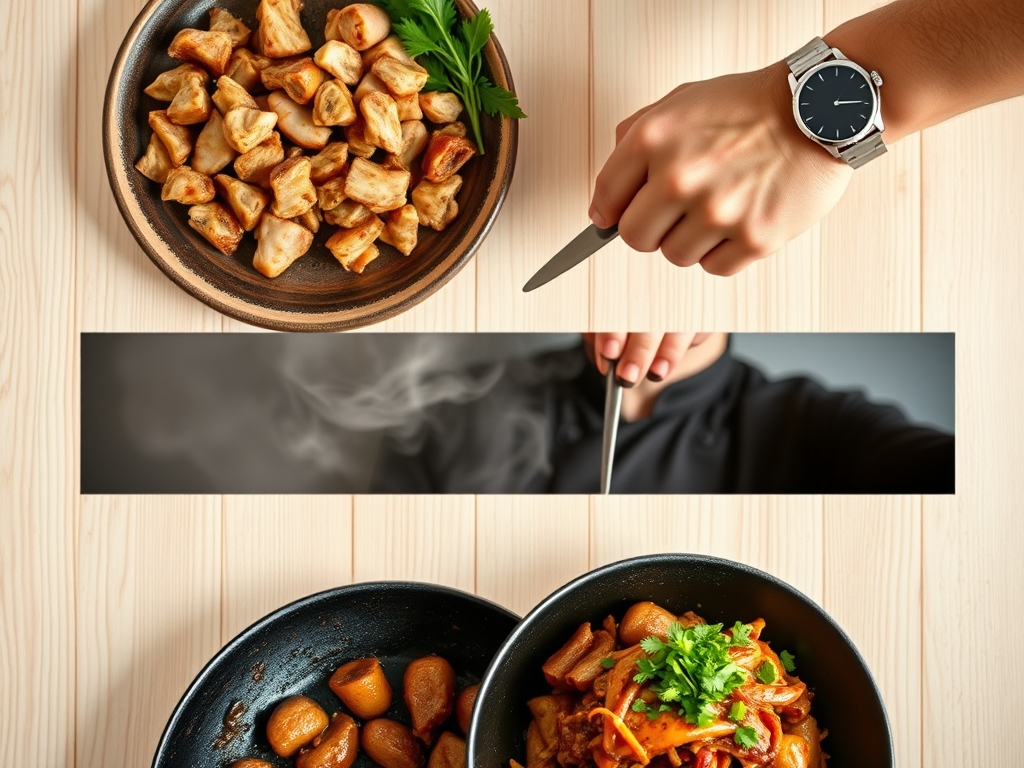
The Masterclass:
1. The Velvet Soak
Place your sliced chicken in a small bowl with a teaspoon of cornstarch, a splash of rice wine, and a pinch of salt. Use your hands to ensure every piece is coated.
Pro Tip: This is called velveting. The starch creates a protective barrier that prevents the proteins from tightening up and becoming tough when they hit the high heat; it essentially "insulates" the meat from overcooking.
2. The Sear and Render
Heat two tablespoons of high-smoke-point oil (like grapeseed or peanut) in your pan until it shimmers. Add the chicken in a single layer. Use tongs to flip the pieces only once they have developed a golden-brown crust.
Pro Tip: This crust is the result of the Maillard reaction, where amino acids and reducing sugars rearrange to create hundreds of different flavor compounds. Do not crowd the pan, or the meat will steam in its own juices rather than sear.
3. The Aromatic Bloom
Push the chicken to the sides of the pan and drop your ginger, garlic, and scallion whites into the center. Stir rapidly for 30 seconds until the kitchen smells incredible.
Pro Tip: This process allows the fat-soluble flavor compounds in the aromatics to infuse the oil. Since oil is a superior heat conductor compared to air, this ensures the flavor is evenly distributed across the entire dish.
4. The Vegetable Flash
Toss in your vegetables. Use a bench scraper to easily transport chopped veggies from the cutting board to the pan. Add a tablespoon of water or stock if the pan looks too dry.
Pro Tip: The small amount of liquid creates a burst of steam that cooks the vegetables through via latent heat without losing their vibrant color or crisp "snap" texture.
5. The Sauce Emulsification
Pour in your pre-mixed sauce (soy, honey, sesame oil, and a touch of starch). Stir constantly as the liquid begins to bubble and transform from translucent to opaque and glossy.
Pro Tip: As the temperature rises, the starch granules swell and burst, a process called starch gelatinization. This creates a viscous coating that clings to every crevice of the chicken and vegetables.
The Deep Dive:
Macro Nutrition:
A standard serving of this stir fry provides approximately 35 grams of lean protein, 12 grams of healthy fats, and 15 grams of complex carbohydrates (excluding rice). It is a high-density, low-calorie option that fuels muscle recovery without the heavy "slump" of processed meals.
Dietary Swaps:
- Vegan: Replace chicken with extra-firm tofu or seitan. Ensure you press the tofu first to remove excess moisture for a better sear.
- Keto: Omit the cornstarch and honey. Use xanthan gum (just a pinch) to thicken and liquid stevia or erythritol for sweetness.
- GF: Use tamari or coconut aminos in place of traditional soy sauce.
The Fix-It:
- Soggy Veggies: You likely overcrowded the pan. Cook in smaller batches next time to maintain high surface temperatures.
- Bland Sauce: It needs acidity. Add a teaspoon of rice vinegar or a squeeze of lime to brighten the flavors.
- Burnt Garlic: You added it too early. Always add aromatics after the meat is partially cooked to protect them from the direct heat of the pan bottom.
Meal Prep Science:
To maintain "day-one" quality, undercook your vegetables slightly if you plan to reheat them. When reheating, avoid the microwave if possible. Instead, use a skillet with a splash of water to aerate the sauce and prevent the chicken from becoming rubbery through electromagnetic over-agitation.
The Wrap-Up:
Mastering stir fry chicken recipes easy enough for daily life is about confidence and heat management. Once you understand how starch protects protein and how oil carries flavor, you are no longer just following a recipe; you are conducting a symphony of flavors. Grab your heavy-bottomed skillet and get that oil shimmering. Dinner is served, and it is better than anything you could have ordered in a cardboard box.
The Kitchen Table:
How do I keep stir fry chicken tender?
The secret is velveting. Coat sliced chicken in a mixture of cornstarch and rice wine before cooking. This creates a thin barrier that prevents the protein fibers from toughening, ensuring the meat remains silky and succulent even under high heat.
What is the best oil for stir-frying?
Use oils with a high smoke point, such as peanut, grapeseed, or canola oil. Avoid extra virgin olive oil or butter, as they will burn and turn bitter at the high temperatures required for a proper sear and stir fry.
Can I make stir fry without a wok?
Absolutely. A wide, heavy-bottomed stainless steel skillet or a cast iron pan is an excellent substitute. The key is to use a vessel that retains heat well and provides enough surface area to prevent crowding the ingredients.
Why is my stir fry sauce watery?
A watery sauce usually means the starch did not reach a high enough temperature to gelatinize. Ensure the sauce reaches a light boil for at least 30 seconds; this activates the thickening properties of the cornstarch or arrowroot.