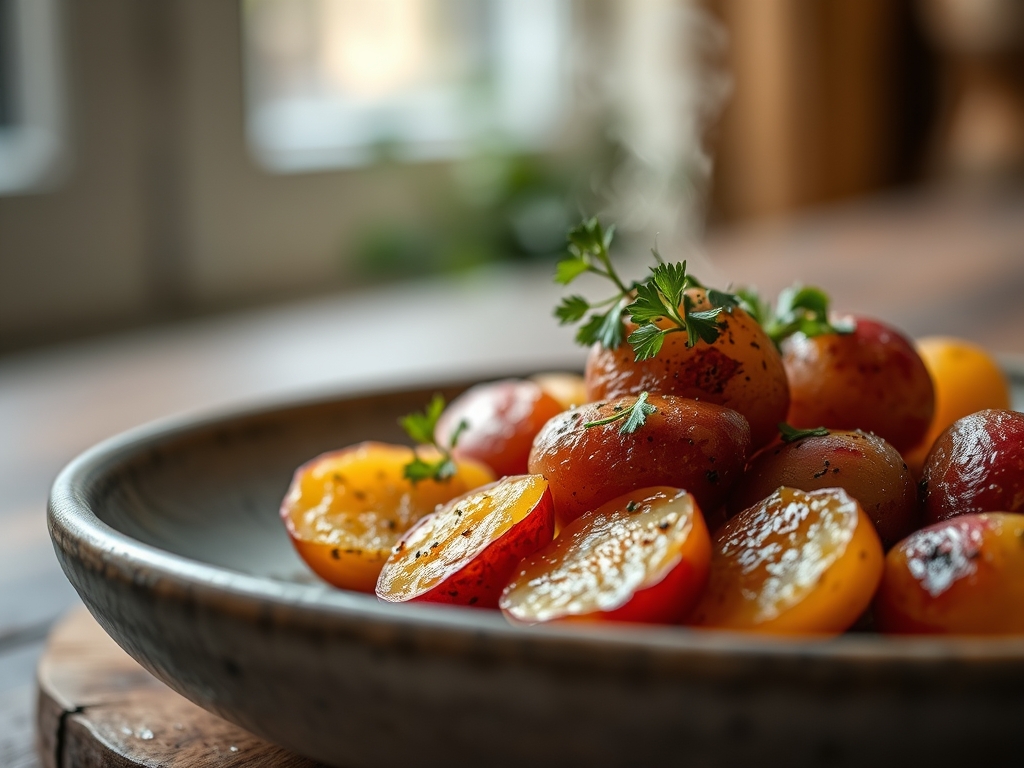
Picture a cold, heavy-bottomed skillet meeting the hiss of rendered fat as the thin, crimson skins of baby tubers begin to blister and pop. We are moving far beyond the basic boiled side dish today. When you master little red potato recipes, you are actually mastering the delicate balance of waxy starch structures and high-moisture interiors. These ruby gems are the darlings of the culinary world because they hold their shape under pressure, unlike their floury russet cousins. We are going to transform these humble spheres into architectural masterpieces using heat, acid, and a bit of molecular magic. Whether you are aiming for a shatteringly crisp exterior or a silky, infused center, the secret lies in understanding how the starch granules swell without bursting. Grab your favorite apron and a glass of something sparkling; we are about to elevate your dinner rotation with nine sophisticated upgrades that will make your kitchen feel like a Michelin-starred bistro.
The Gathers:
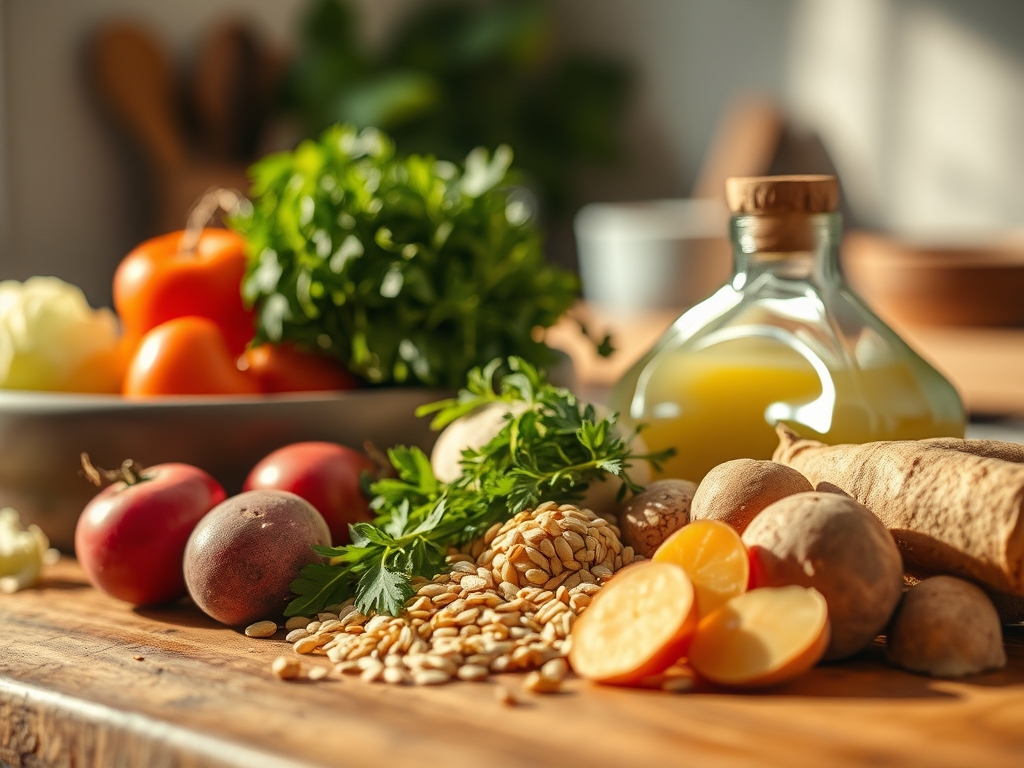
To execute these little red potato recipes with precision, your mise-en-place must be impeccable. Start with two pounds of Grade A small red potatoes; look for uniform sizes to ensure even thermal distribution. You will need a high-quality fat with a high smoke point, such as clarified butter or duck fat, to achieve the Maillard reaction without scorching. Fresh aromatics are non-negotiable. Gather sprigs of woody rosemary, thyme, and a bulb of purple-stripe garlic. For the finish, keep a bottle of cold-pressed extra virgin olive oil and Maldon sea salt flakes within reach.
Smart Substitutions: If you cannot find red-skinned varieties, New Potatoes are a suitable swap due to their similar low-starch, high-moisture profile. For a vegan profile, replace duck fat with avocado oil or a high-solids vegan butter. If you want a piquant kick, swap the rosemary for fresh dill and a splash of champagne vinegar during the final toss.
The Clock
Efficiency in the kitchen is about "Chef's Flow," which is the art of overlapping tasks to minimize downtime. Expect a total active prep time of 15 minutes and a passive cook time of 35 to 45 minutes. The flow begins with the "Cold Start" method; placing potatoes in cold water and bringing them to a boil together prevents the outside from becoming mushy before the core is tender. While the water comes to temperature, use your microplane to zest citrus or grate hard cheeses. By the time the potatoes are parboiled, your oven should be preheated and your heavy-bottomed skillet should be shimmering. This synchronized timing ensures that every component reaches its peak texture simultaneously.
The Masterclass
1. The Precision Parboil
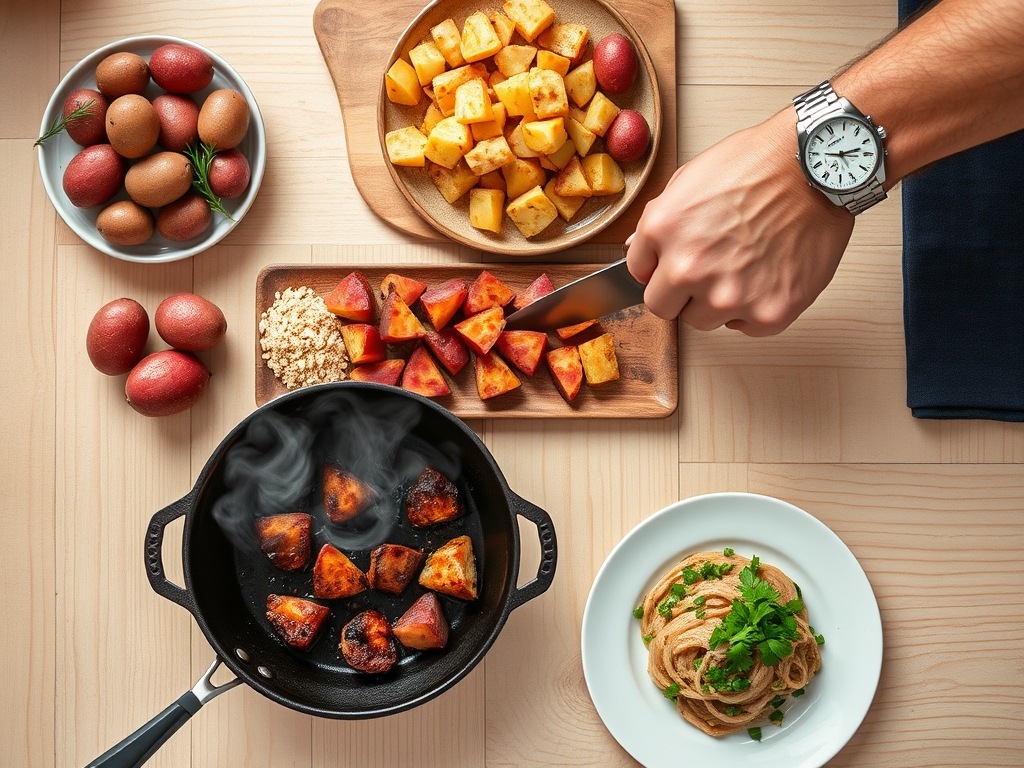
Place your potatoes in a large pot of cold, heavily salted water. Bring to a rolling boil and cook until just fork-tender. This step hydrates the starch granules, preparing them for the high-heat roasting phase.
Pro Tip: This is called Starch Gelatinization. By starting in cold water, you ensure the heat penetrates the dense center at the same rate as the exterior, preventing the outer layers from sloughing off into the water.
2. The Strategic Steam Dry
Drain the potatoes in a colander and let them sit for three minutes. Use a clean kitchen towel to gently pat away any residual moisture.
Pro Tip: Surface moisture is the enemy of crispiness. This phase utilizes Evaporative Cooling to remove water that would otherwise create steam in the oven, preventing the Maillard reaction from occurring.
3. The Smashed Architecture
Place each potato on a cutting board and use the flat side of a bench scraper or a heavy glass to gently press down until the potato is about half an inch thick. You want jagged edges, not a puree.
Pro Tip: Increasing the surface area creates more sites for Ligand Binding with fats. Those craggy, broken edges provide the perfect topography for oil to pool and crisp up into golden ridges.
4. The Fat Infusion
In a small saucier, warm your chosen fat with smashed garlic cloves and herbs. Do not let the garlic brown; you are looking to infuse the lipids with essential oils from the aromatics.
Pro Tip: This is Lipid Extraction. Fats are incredible carriers for flavor. By gently heating the aromatics in oil first, you create a more uniform flavor profile than simply tossing raw herbs into a hot oven.
5. The High-Heat Roast
Arrange the potatoes on a preheated baking sheet. Drizzle with the infused oil and roast at 425 degrees Fahrenheit. Flip them halfway through using metal tongs to ensure even browning.
Pro Tip: The Maillard Reaction occurs most vigorously between 285 and 330 degrees Fahrenheit. Preheating your sheet pan provides an immediate thermal shock that sears the bottom surface instantly.
6. The Acid Brightening
Once the potatoes are removed from the oven, immediately toss them with a teaspoon of lemon juice or high-quality vinegar while they are still screaming hot.
Pro Tip: This uses Thermal Carryover to drive the acid into the crust. The heat helps the liquid penetrate the starch, cutting through the richness of the fats and balancing the palate.
7. The Aerated Finish
Transfer the potatoes to a wide bowl and toss vigorously with fresh herbs and a dusting of finely grated Pecorino Romano using your microplane.
Pro Tip: Tossing the potatoes aerates the dish, allowing steam to escape so the crust stays crunchy. If you crowd them into a deep bowl immediately, the trapped steam will soften the exterior you worked so hard to crisp.
8. The Emulsified Dip
Serve your little red potato recipes with a side of homemade aioli or a viscous herb oil. Use a whisk to ensure your sauce is perfectly emulsified and stable.
Pro Tip: An Emulsion provides a creamy mouthfeel that contrasts with the crunch of the potato. The lecithin in egg yolks or the proteins in Greek yogurt act as stabilizers to keep the oil and water phases from separating.
9. The Salt Crystallization
Finish with a final sprinkle of Maldon sea salt flakes. The large surface area of the flakes provides a concentrated burst of salinity without over-salting the entire dish.
Pro Tip: Salt is a Flavor Enhancer that suppresses bitterness and unlocks aromatic volatiles. Adding it at the very end prevents it from dissolving into the potato, maintaining that distinct textural "pop."
The Deep Dive
From a macro nutrition perspective, little red potatoes are a powerhouse. They are naturally gluten-free and rich in Vitamin C, potassium, and B6. Because we consume the skins in these little red potato recipes, you are also getting a significant dose of dietary fiber. For those following a Keto lifestyle, these are a "controlled carb" treat; keep portions small and pair with high-protein mains. Vegan swaps are seamless; use nutritional yeast for a cheesy flavor and avocado oil for healthy fats.
The Fix-It:
- Soggy Bottoms: This usually happens because the pan was crowded. Ensure at least an inch of space between each potato to allow for proper air circulation.
- Burnt Garlic: If your garlic turns bitter, you added it too early. Infuse the oil first, then strain out the solids before roasting, or add fresh minced garlic only in the last five minutes.
- Internal Rawness: This occurs when the parboil was skipped. Always pre-cook the starch to ensure the center is creamy while the outside is crisp.
Meal Prep Science: To reheat and maintain "day-one" quality, avoid the microwave at all costs. The microwave vibrates water molecules, turning your crisp potato into a rubbery mess. Instead, use an air fryer or a hot toaster oven at 400 degrees for five minutes to re-crisp the exterior lipids.
The Wrap-Up
Mastering little red potato recipes is about respecting the chemistry of the ingredients. By utilizing techniques like starch gelatinization and the Maillard reaction, you transform a simple root vegetable into a sophisticated culinary experience. Remember to always start cold, dry thoroughly, and finish with acid. Your kitchen is your laboratory; experiment with different fat infusions and herb profiles to make these nine upgrades your own. Now, go forth and turn those crimson tubers into the talk of the table!
The Kitchen Table
Why are my red potatoes always gummy?
Gumminess occurs when you overwork the potatoes or use a high-starch variety like Russets. Red potatoes are waxy, but if you boil them too long, the cell walls rupture. Always stop cooking once they are just fork-tender.
Can I roast these without boiling them first?
You can, but the texture will suffer. Parboiling hydrates the internal starch, ensuring a creamy center. Without it, the outside often burns or toughens before the inside is fully cooked. The extra ten minutes is worth the effort.
What is the best oil for roasting red potatoes?
Choose an oil with a high smoke point and rich flavor. Duck fat is the gold standard for crispiness. For plant-based options, avocado oil or refined coconut oil work beautifully because they can withstand the 425-degree heat.
How do I keep the skins from peeling off?
Start your potatoes in cold water rather than dropping them into boiling water. This gradual temperature increase keeps the skin bonded to the flesh. Also, avoid aggressive stirring during the boiling and draining phases to keep the skins intact.