
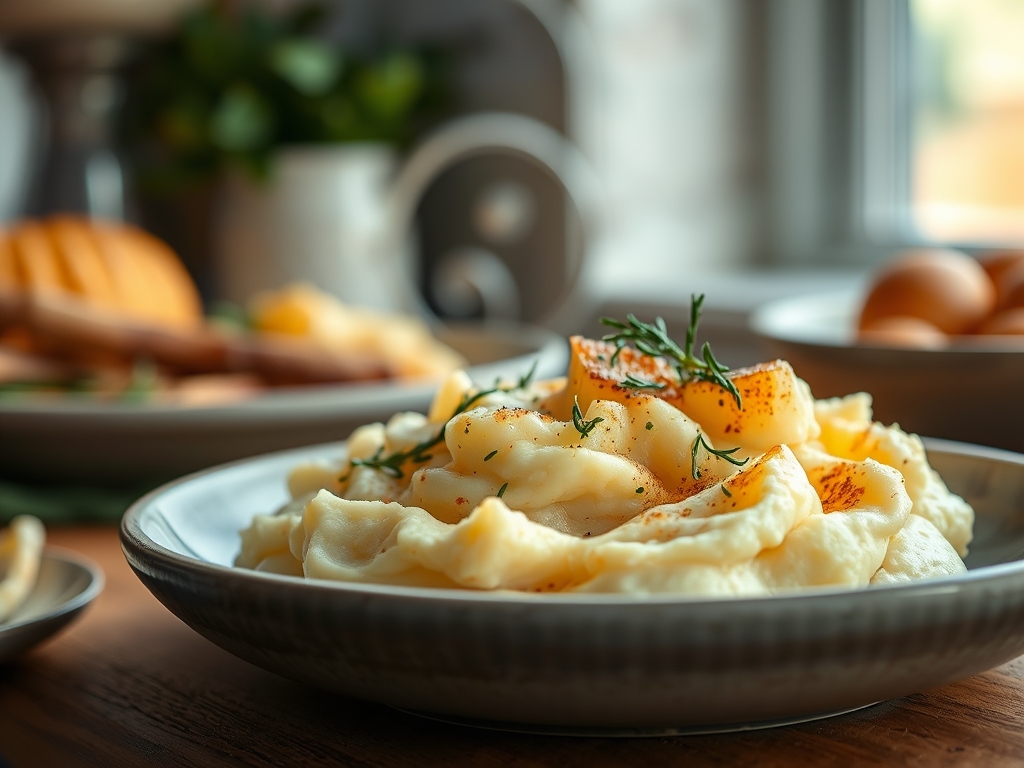
Imagine the steam rising from a porcelain bowl; it carries the scent of cultured butter and the earthy, comforting aroma of a perfectly cooked tuber. When searching for the best mashed potato recipes for thanksgiving, you are not just looking for a side dish; you are seeking the ultimate holiday anchor. This is the velvet canvas for your gravy.
The secret to a legendary bowl of potatoes lies in the intersection of molecular biology and high-end culinary technique. We are moving past the days of gluey, bland starches. Instead, we are focusing on starch cell preservation and lipid emulsification. Think of this as a chemistry lab where the results are edible, buttery, and utterly divine. You want a texture that is light enough to feel like a cloud but rich enough to silence a room of hungry relatives.
By understanding how amylose and amylopectin react to heat and mechanical agitation, you can transform a humble root vegetable into a five-star masterpiece. We will use specific professional tools and precise temperatures to ensure your Thanksgiving spread is the talk of the town for years to come. Grab your apron and your favorite digital scale; it is time to master the art of the mash.
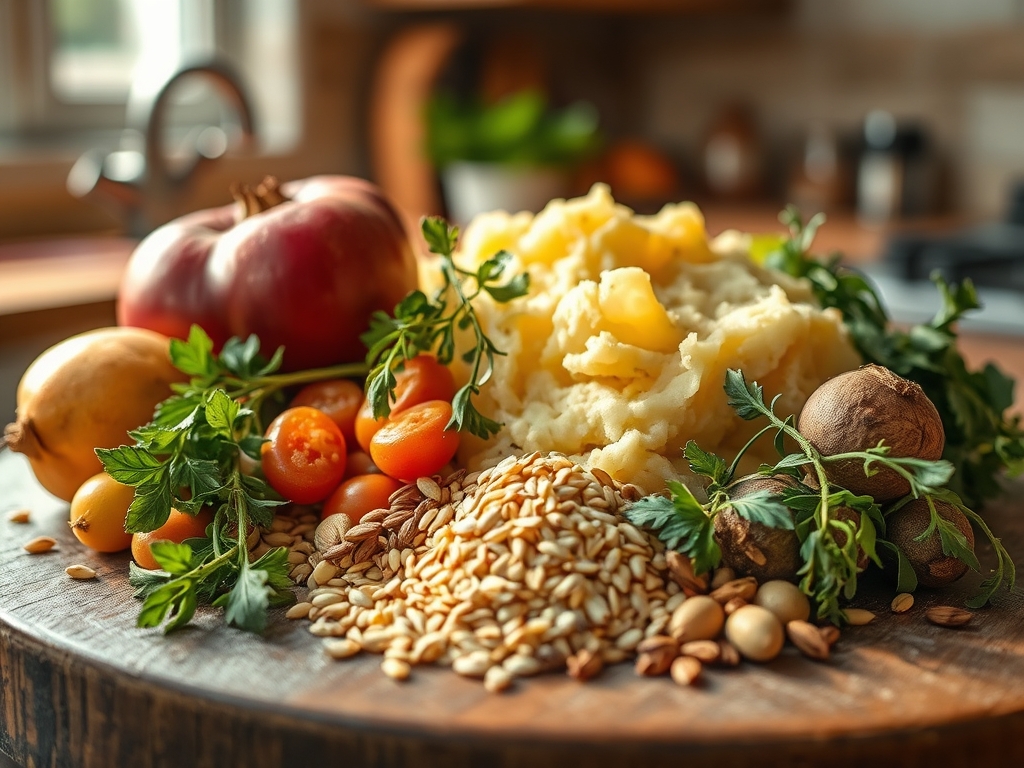
The Gathers:
To achieve the gold standard of potato textures, your mise-en-place must be intentional. Start with Yukon Gold potatoes for their high starch content and naturally buttery hue. Unlike Russets, which can become mealy, Yukons provide a viscous and creamy mouthfeel that holds up to heavy cream. You will need high-fat European-style butter (aim for 82 percent butterfat or higher) to ensure a luxurious finish.
For the liquid base, heavy cream is non-negotiable, but we will also incorporate a splash of whole milk to balance the density. Aromatics are where the magic happens. Have fresh thyme sprigs, peeled garlic cloves, and whole black peppercorns ready to infuse into your dairy. You will also need high-quality sea salt and a microplane to grate fresh nutmeg for a subtle, earthy undertone.
Smart Substitutions: If you are catering to a dairy-free crowd, swap the cream for a full-fat coconut milk or a high-quality cashew cream. For a piquant twist, replace a portion of the butter with roasted garlic confit. If you want to cut the richness, a dollop of Greek yogurt adds a bright acidity that cuts through the lipids beautifully.
The Clock:
Efficiency in a holiday kitchen is about the Chef's Flow. This process requires approximately 20 minutes of active prep time and 25 to 30 minutes of cooking. Total time from pantry to table is roughly 55 minutes.
The flow begins with the "Cold Start" method. You never drop potatoes into boiling water. Instead, you start them in cold, salted water to ensure the exterior does not dissolve before the interior reaches the proper temperature. While the potatoes simmer, you use your saucier to warm and infuse your dairy. This overlap ensures that when the potatoes are drained and dry, your liquid gold is ready to be incorporated immediately, preventing the starch from seizing.
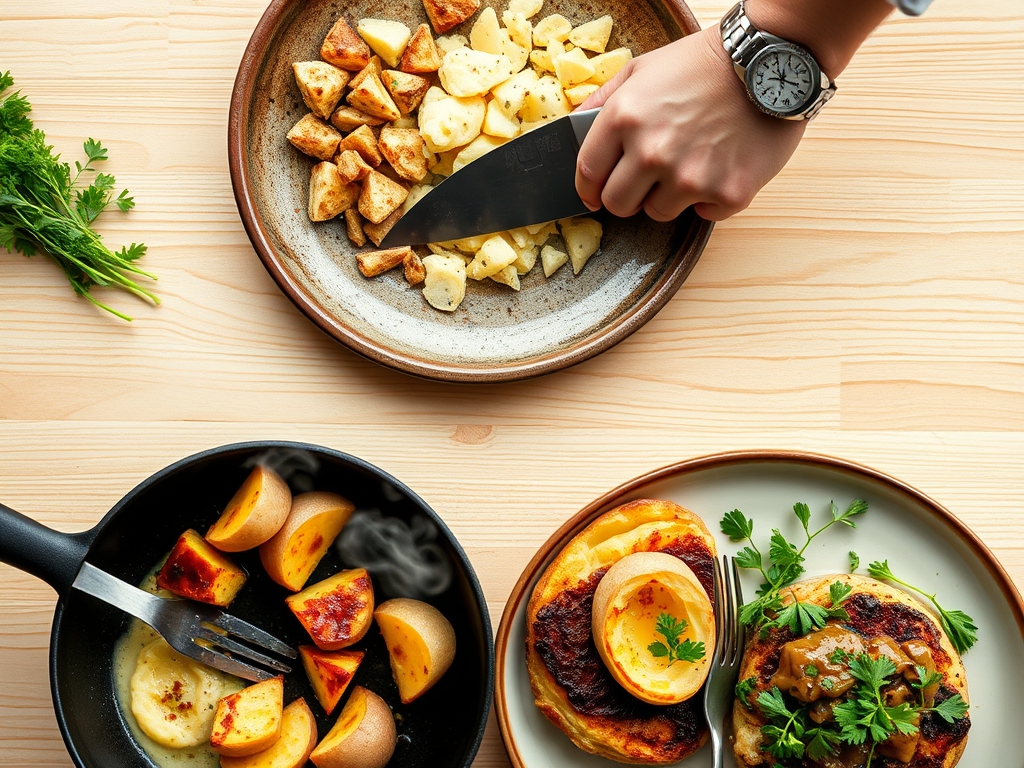
The Masterclass:
1. The Uniform Cube
Peel your potatoes and use a bench scraper to clear the skins. Cut the potatoes into uniform 1.5-inch cubes. Consistency is vital here; if the pieces are different sizes, some will overcook and release excess starch into the water, while others remain hard.
Pro Tip: This prevents enzymatic browning. By keeping the cut potatoes submerged in cold water until you are ready to boil, you stop the oxidation process that turns the flesh gray or brown.
2. The Cold Start Simmer
Place the cubes in a large pot and cover with two inches of cold water. Add a generous handful of salt. Bring to a boil, then immediately reduce to a steady simmer. You are looking for a gentle bubble, not a violent roll.
Pro Tip: Starting in cold water ensures even thermal conductivity. It allows the heat to penetrate the center of the potato at the same rate the outside cooks, preventing a "sloughing" effect where the outside turns to mush.
3. The Dairy Infusion
While the potatoes simmer, place your cream, milk, garlic, and herbs into a saucier. Heat over low flame until small bubbles form around the edges. Do not let it boil over. Once fragrant, strain the solids using a fine-mesh sieve.
Pro Tip: This is the infusion stage. Fat is a carrier for flavor. By heating the aromatics in the cream, you are extracting essential oils from the herbs and garlic directly into the lipid molecules for maximum flavor distribution.
4. The Steam Dry
Once the potatoes are fork-tender, drain them thoroughly. Return them to the hot pot over very low heat for 60 seconds, shaking the pot constantly. You want to see a white, powdery film start to form on the bottom of the pan.
Pro Tip: This step eliminates excess moisture. By evaporating the residual water, you create "space" within the potato cells to soak up the butter and cream instead of water, leading to a richer flavor.
5. The Ricer Revolution
Forget the hand masher. Pass the hot potatoes through a potato ricer or a food mill into a clean bowl. This process breaks the potatoes down into tiny granules without overworking the starch.
Pro Tip: This prevents gelatinization. Over-mashing with a mixer or whisk breaks the starch cells, releasing amylose which creates a gluey, sticky texture. A ricer keeps the cells intact for a fluffy result.
6. The Fat First Rule
Add your cold, cubed butter to the hot, riced potatoes before adding any liquid. Fold gently with a spatula until the butter is completely melted and incorporated.
Pro Tip: This is lipid coating. By coating the starch granules in fat first, you create a waterproof barrier that prevents the proteins in the milk from bonding too tightly with the starch, ensuring a silkier finish.
7. The Final Aeration
Slowly stream in your warm, infused dairy while folding gently. Use a digital scale if you want to be precise (aim for a 3:1 potato to dairy ratio). Finish with a final dusting of sea salt and a grate of fresh nutmeg.
Pro Tip: This utilizes thermal carryover. Keeping everything warm during the mix ensures the emulsion stays stable. If you add cold cream to hot potatoes, the fat can break, resulting in a greasy bowl.
The Deep Dive:
From a macro perspective, mashed potatoes are a powerhouse of potassium and Vitamin C, though the holiday version is admittedly high in saturated fats from the butter and cream. One serving typically contains about 250 to 350 calories. For a Keto alternative, steam cauliflower and process it with the same infused cream and butter. For a Vegan version, use a high-quality plant butter and oat milk, which has a natural sweetness that mimics dairy well.
The Fix-It:
If your potatoes are gluey, you likely overworked them; try folding in a bit of extra melted butter to "loosen" the proteins. If they are bland, they need more acid or salt; a teaspoon of white vinegar or lemon juice can brighten the entire profile. If they are watery, you skipped the steam-dry step; next time, ensure that "powdery" look in the pot before mashing.
Meal Prep Science:
To reheat potatoes without losing that "day-one" quality, use a double boiler. Direct heat from a microwave or stovetop can cause the fat to separate. By using gentle steam heat, you re-agitate the emulsion without scorching the dairy solids.
The Wrap-Up:
Mastering the best mashed potato recipes for thanksgiving is a badge of honor for any home cook. By focusing on the science of the starch and the quality of your fats, you elevate a simple side into a culinary event. Remember to use your ricer, keep your dairy warm, and never underestimate the power of a good steam dry. Your guests will notice the difference in every silky, buttery bite. Now, go forth and conquer the kitchen!
The Kitchen Table:
Which potato is best for mashing?
Yukon Golds are the gold standard. They have a medium starch content and a naturally creamy texture that creates a rich, velvety mash. Russets are a good second choice for fluffiness, but they lack the buttery flavor of Yukons.
How do I stop mashed potatoes from being gluey?
Avoid using a food processor or electric mixer. These high-speed blades rupture the starch cells, releasing amylose that turns the potatoes into a sticky paste. Use a potato ricer or food mill for the lightest, fluffiest texture possible.
Can I make mashed potatoes ahead of time?
Yes. Store them in an airtight container in the fridge. To reheat, use a slow cooker on low or a double boiler on the stove. Add a splash of warm milk to restore the creamy consistency as they heat through.
Why should I start potatoes in cold water?
Starting in cold water ensures the potatoes cook evenly from the outside in. If you drop them into boiling water, the exterior overcooks and falls apart before the center is tender, leading to a lumpy and watery mash.