
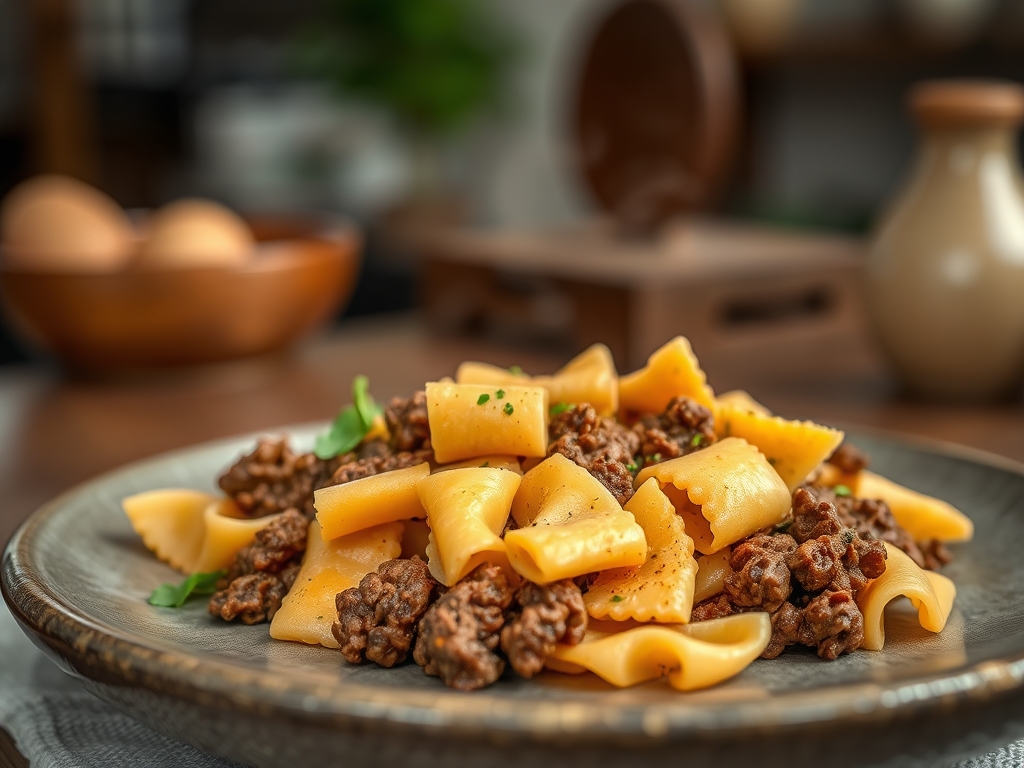
Imagine the sound of a heavy bottomed skillet hitting the burner; a resonant, metallic ring that promises a masterpiece. You are standing in your kitchen, the air thick with the scent of searing protein and aromatic garlic. When you search for bowtie pasta with ground beef recipes, you are looking for more than just sustenance. You are seeking that perfect intersection of comfort and culinary science. The farfalle, or little butterflies, are not just whimsical shapes; they are engineered vessels designed to trap viscous sauces in their central folds.
As the ground beef begins to render its fat, the Maillard reaction transforms humble pink meat into a complex, umami rich foundation. This is the ultimate weeknight alchemy. We are taking simple pantry staples and elevating them through precise temperature control and flavor layering. Whether you are craving a creamy stroganoff inspired dish or a piquant Mediterranean toss, these nine variations prove that ground beef and bowties are the power couple of the culinary world. Let us roll up our sleeves and dive into the mechanics of a perfect dinner.
The Gathers:
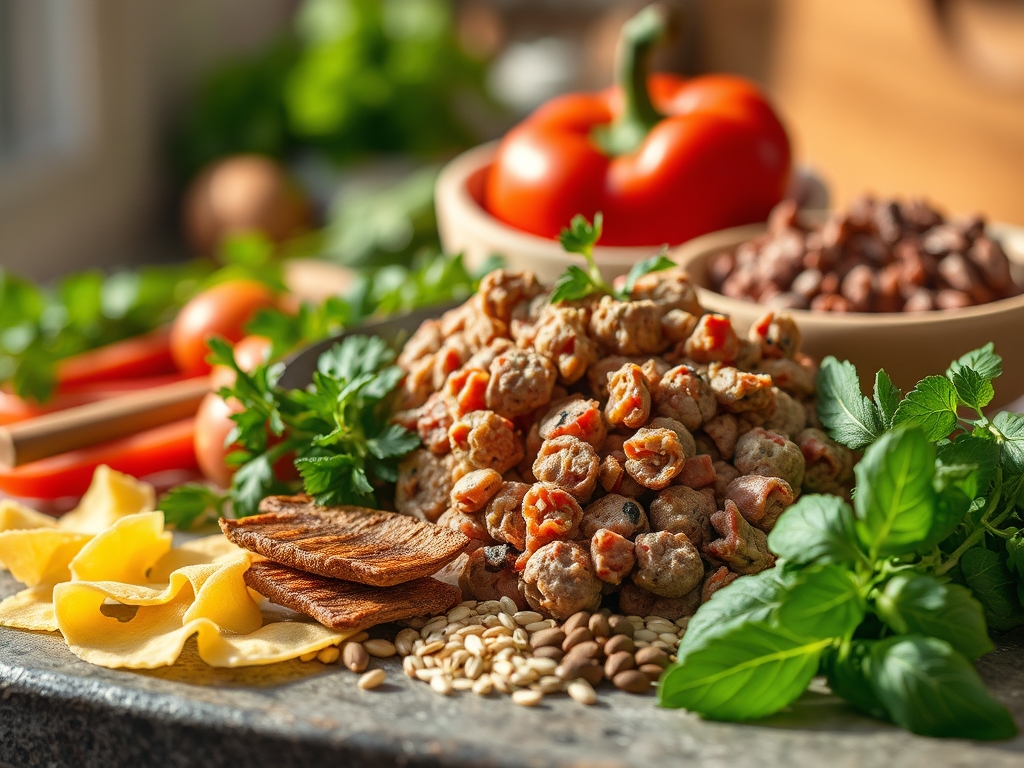
Before we ignite the flame, your mise en place must be impeccable. Organization is the silent partner of every great chef. On your workstation, you should have a digital scale to ensure your pasta to meat ratio is exactly 1:1 for maximum flavor density. You will need high quality ground beef; preferably an 80/20 blend. The 20 percent fat content is non negotiable because it provides the lipids necessary to emulsify your sauce.
Your bowties should be durum wheat semolina for that essential al dente snap. Gather your aromatics: yellow onions, fresh garlic cloves, and perhaps a bunch of flat leaf parsley. For the liquids, keep a bottle of dry red wine for deglazing and a high quality beef stock.
Smart Substitutions:
If you are looking to lighten the profile, ground turkey or chicken can be substituted, though you must add a teaspoon of Worcestershire sauce to mimic the deep beefy profile. For those avoiding gluten, brown rice farfalle holds its shape remarkably well under heat. If you lack fresh garlic, use a microplane to grate frozen garlic ginger cubes directly into the pan; the increased surface area ensures an instant infusion of flavor.
The Clock
Efficiency in the kitchen is about mastering the Chef's Flow. This entire meal, from first chop to final garnish, should take no more than 30 minutes. The first 10 minutes are dedicated to prep: dicing onions with a sharp chef's knife and weighing your pasta. The next 10 minutes involve the high heat phase where we render the beef and boil the water. The final 10 minutes are the most critical; this is the marriage phase where the pasta finish cooks inside the sauce. By timing your pasta to be "underdone" by two minutes when it leaves the water, you allow it to absorb the savory sauce without becoming mushy.
The Masterclass
1. The Sear and Render
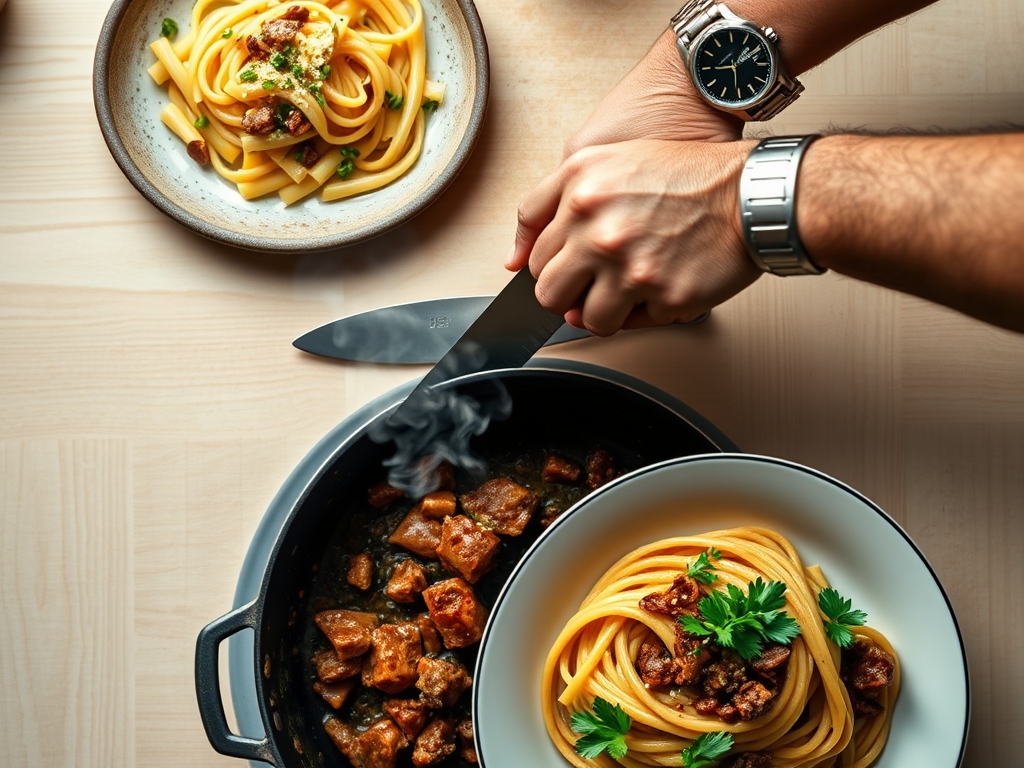
Place your heavy bottomed skillet over medium high heat. Add the ground beef, breaking it apart with a stiff wooden spoon or a specialized meat masher. Do not crowd the pan; you want to sear, not steam.
Pro Tip: This stage relies on thermal carryover. If you remove the beef when it is slightly pink, it will finish cooking perfectly in the sauce later. Overcooking now leads to a rubbery texture that no sauce can fix.
2. Deglazing the Fond
Once the beef is browned, move it to a bowl and look at the bottom of your pan. Those brown bits are called the fond. Pour in half a cup of beef broth or wine and use a bench scraper or spatula to lift those bits.
Pro Tip: This is enzymatic browning at its finest. Those stuck bits contain concentrated amino acids that provide the "fifth taste" or umami. Deglazing captures this complexity and integrates it back into the liquid base.
3. The Emulsification Phase
Add your aromatics back to the pan with a pat of butter. Once soft, whisk in a tablespoon of flour or a splash of heavy cream. Slowly incorporate your liquid base while whisking constantly.
Pro Tip: You are creating a stable emulsion. The fats from the beef and butter are being suspended in the liquid. If the sauce looks "broken" or oily, add a splash of starchy pasta water; the amylose in the water acts as a natural binder.
4. The Marriage of Pasta and Protein
Drop your bowties into the sauce. Toss them vigorously using tongs or a saucier flick. The goal is to coat every "wing" of the butterfly.
Pro Tip: This is the starch gelatinization stage. As the pasta finishes cooking in the sauce, it releases starches that thicken the liquid, creating a glossy, restaurant quality finish that clings to the noodles.
The Deep Dive
Macro Nutrition:
A standard serving of bowtie pasta with ground beef provides approximately 450 calories. You are looking at a balanced profile of 25g of protein, 40g of carbohydrates, and 18g of fat. To optimize this for fitness goals, increase the vegetable ratio by folding in two cups of baby spinach at the very end.
Dietary Swaps:
For a Vegan version, utilize walnut and mushroom crumbles sautéed with liquid smoke to replicate the beefy texture. For Keto enthusiasts, replace the bowtie pasta with roasted cauliflower florets or shirataki noodles, though the sauce will need extra xanthan gum to thicken without the pasta starch.
The Fix-It:
- The Sauce is Too Thin: Simmer uncovered for three minutes to allow evaporation to concentrate the solutes.
- The Beef is Dry: You likely drained too much fat. Add a tablespoon of extra virgin olive oil or a knob of butter to restore the mouthfeel.
- The Pasta is Mushy: You overshot the boil. Next time, pull the pasta when it still has a "white core" in the center.
Meal Prep Science:
When reheating, the starches in the pasta undergo retrogradation, causing them to toughen. To fix this, add a tablespoon of water before microwaving or reheating on the stove. This introduces steam which re-hydrates the starch granules, returning them to their day-one suppleness.
The Wrap-Up
Mastering bowtie pasta with ground beef recipes is about more than just following a list of instructions; it is about understanding the physics of your kitchen. From the sizzle of the sear to the glossy sheen of a perfectly emulsified sauce, you now have the tools to create a meal that is both technically sound and deeply comforting. Go forth and use your microplane with confidence, deglaze like a pro, and remember that the best meals are the ones where science meets soul. Your dinner table is about to become the most popular spot in the house.
The Kitchen Table
How do I prevent my ground beef from steaming?
Ensure your skillet is smoking hot before adding the meat. Cook in batches if necessary to avoid overcrowding. Overcrowding drops the pan temperature, causing the meat to release moisture and boil in its own juices rather than searing.
Why use pasta water in the sauce?
Pasta water contains residual starch and salt. When added to a fat based sauce, it acts as an emulsifier, binding the oil and water together. This creates a silky, cohesive texture that sticks to the bowties instead of pooling.
What is the best fat ratio for ground beef?
An 80/20 ratio is ideal for pasta dishes. The 20 percent fat provides the necessary lipids for a rich sauce and prevents the beef from becoming granular and dry during the high heat searing process required for flavor.
Can I cook the pasta directly in the sauce?
Yes, this is known as the "one pot" method. You will need to add extra liquid (broth or water) so the pasta can absorb it. The resulting sauce will be extra thick due to the total starch retention.