
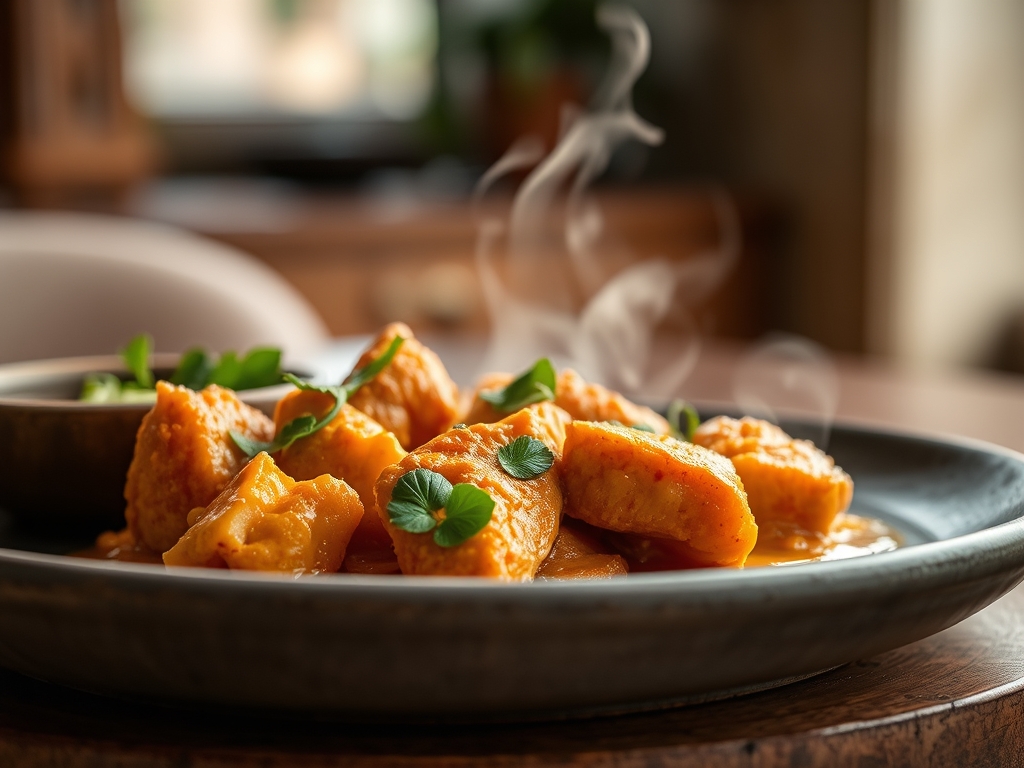
The scent of coconut milk hitting hot curry paste in a carbon-steel wok is unmistakable: fat cells rupture, releasing lactones; toasted spices bloom into volatile aromatics. That precise moment separates home cooking from restaurant-grade thai curry chicken recipes. These six variations harness red, green, yellow, massaman, panang, and jungle curry traditions, each engineered for maximum heat, complexity, and tenderness in under 40 minutes.
Thai curry isn't a single dish but a modular flavor system built on paste, protein, and fat ratios. The Maillard reaction in properly seared chicken thighs, combined with the emulsification of coconut cream and curry paste, creates the signature glossy coat that clings rather than pools. Each of these six recipes respects that foundational chemistry while pushing heat levels through fresh chilies, peppercorns, or fermented shrimp paste. Whether you're chasing the herbaceous intensity of green curry or the warming cardamom notes of massaman, the principles remain constant: high initial heat, controlled reduction, and strategic addition of aromatics at multiple stages.
The Gathers
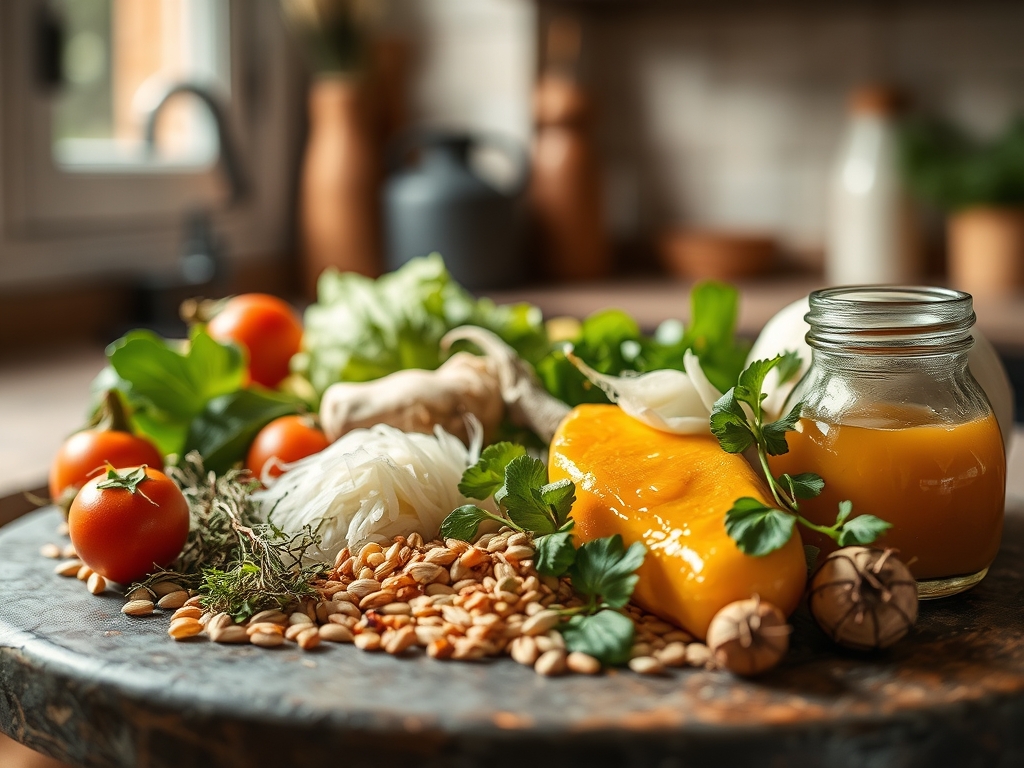
As you see in the ingredient spread below, boneless skinless chicken thighs (1.5 lbs, 680g) form the protein base. Thighs contain 20% more intramuscular fat than breasts, preventing the dry, chalky texture that haunts lean poultry. Thai curry paste (3-4 tablespoons per 14 oz coconut milk) determines the base profile: red (dried chilies, lemongrass), green (fresh green chilies, Thai basil), yellow (turmeric, ginger), massaman (cinnamon, tamarind), panang (peanuts, kaffir lime), or jungle (no coconut milk, maximum heat).
Full-fat coconut milk (14 oz, 400ml) provides the lipid matrix for emulsification. The cream layer on top, when separated and fried with paste, creates the "cracked" curry base essential to restaurant texture. Fish sauce (2 tablespoons) and palm sugar (1 tablespoon) balance umami and sweetness through sodium glutamate and sucrose chains.
Aromatics include Thai basil (1 cup leaves), kaffir lime leaves (6, torn), galangal (1-inch knob, sliced), and bird's eye chilies (3-6, depending on heat tolerance). Vegetables vary: Thai eggplant (8 oz), bamboo shoots (1 cup), or snake beans (6 oz, cut into 2-inch segments).
Smart Substitutions: Regular basil works but lacks anise notes. Substitute galangal with equal parts ginger plus a splash of lime zest. No palm sugar? Use light brown sugar with a pinch of molasses.
The Clock
Prep Time: 15 minutes (paste opening, chicken trimming, vegetable prep)
Cook Time: 22 minutes (sear 6 min, curry build 8 min, simmer 8 min)
Total Time: 37 minutes
Chef's Flow: Mise-en-place is non-negotiable. Separate coconut cream from milk by refrigerating the can overnight; the solids rise. Trim chicken into 1.5-inch chunks for even 165°F (74°C) core temp. Tear lime leaves and bruise galangal while your wok preheats to 450°F (232°C). This assembly-line approach prevents burnt garlic or split coconut milk.
The Masterclass
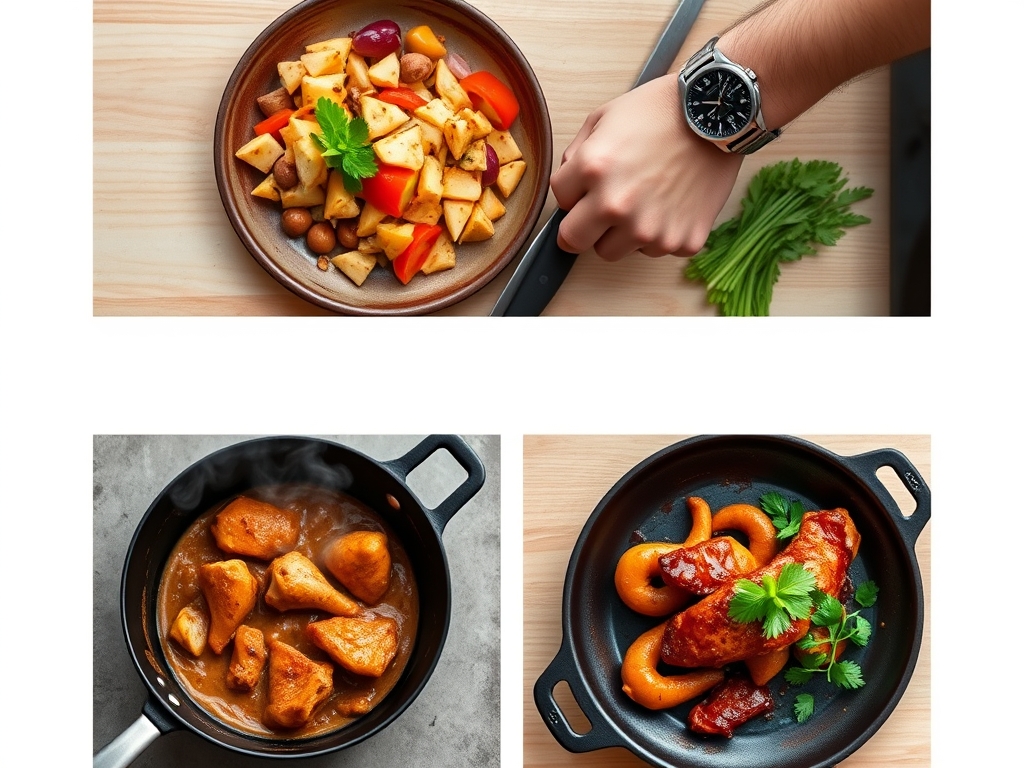
Step 1: Crack the Coconut Cream
Scoop 4 tablespoons of coconut cream into a cold wok. Turn heat to medium-high (350°F/177°C) and stir constantly for 3-4 minutes until oil separates and pools around the edges.
Chef's Secret: This "cracking" process hydrolyzes triglycerides, creating free fatty acids that bond with curry paste. You'll see the cream turn glossy and slightly darker. Note the texture shown in the step-by-step photos.
Step 2: Bloom the Curry Paste
Add 3 tablespoons curry paste directly into the cracked cream. Fry for 90 seconds, stirring, until deeply fragrant and darkened by one shade.
Why it Works: Heat volatilizes essential oils in dried chilies and lemongrass. The lipid environment (coconut fat) carries these fat-soluble compounds, multiplying perceived intensity.
Step 3: Sear the Chicken
Push paste to the wok's edges. Add chicken in a single layer. Sear undisturbed for 2 minutes per side until golden.
Chef's Secret: Dry chicken with paper towels first. Surface moisture creates steam, preventing the 310°F (154°C) threshold needed for Maillard browning.
Step 4: Build the Base
Pour in remaining coconut milk (about 10 oz). Add fish sauce, palm sugar, galangal, and lime leaves. Bring to a rolling simmer, then reduce to medium-low.
Why it Works: The simmer (185-195°F/85-91°C) denatures chicken proteins without toughening collagen. Higher temps cause seizing; lower temps risk bacterial survival.
Step 5: Add Vegetables and Finish
At 6 minutes, add eggplant or bamboo shoots. At 8 minutes, stir in Thai basil and bird's eye chilies. Cook 2 more minutes. Check chicken temp: 165°F (74°C) internal.
Chef's Secret: Basil goes in last. Its essential oils (eugenol, linalool) evaporate above 200°F (93°C), leaving only bitterness.
Step 6: Rest and Adjust
Kill heat. Let curry rest 3 minutes. Taste. Adjust with fish sauce (salt), lime juice (acid), or sugar (balance).
Why it Works: Thermal carryover raises core temp another 3-5°F. Resting redistributes juices via osmotic pressure equalization.
Nutritional Info
Per serving (6 servings total): 380 calories, 28g protein, 11g carbohydrates (5g fiber, 4g sugar), 26g fat (18g saturated from coconut milk). Sodium: 780mg. Rich in iron (2.1mg) and vitamin A (640 IU from red curry chilies).
Coconut milk provides medium-chain triglycerides (MCTs), metabolized faster than long-chain fats. Capsaicin from chilies triggers thermogenesis, temporarily boosting metabolic rate by 8-10%.
Dietary Swaps
Keto: Skip palm sugar. Use erythritol or monk fruit. Total net carbs drop to 3g per serving.
Vegan: Swap chicken for extra-firm tofu (pressed 20 minutes, cubed). Replace fish sauce with tamari plus 1 teaspoon white miso. Protein drops to 14g but fiber rises to 8g.
Gluten-Free: Already compliant if using pure curry paste. Check labels for wheat-based fillers in commercial pastes.
Whole30: Omit sugar; add 1 teaspoon coconut aminos for sweetness. Use compliant curry paste (no additives).
Serving & Presentation
Modern Thai: Serve in shallow white bowls. Nest jasmine rice on one side, curry on the other. Garnish with micro cilantro, lime wheel, and fried shallots.
Family Style: Large ceramic platter, curry center, rice ring around edge. Top with whole Thai basil sprigs and sliced red chilies for color contrast.
Restaurant Finish: Drizzle 1 tablespoon coconut cream in a spiral pattern. Add crispy fried garlic chips and a lime leaf chiffonade. Height matters: stack chicken pieces vertically.
The Pro-Dodge
Pitfall 1: Split Coconut Milk
Cause: Boiling rather than simmering. Proteins denature too fast, ejecting fat.
Fix: Drop temp immediately. Whisk in 1 tablespoon cold coconut cream to re-emulsify.
Pitfall 2: Bitter Curry
Cause: Burnt paste or overcooked basil.
Fix: Add 1 teaspoon palm sugar and 2 tablespoons coconut milk. Sweetness masks bitterness via taste receptor competition.
Pitfall 3: Dry Chicken
Cause: Overcooking past 165°F (74°C) or using breasts.
Fix: Next time, pull at 160°F (71°C) for carryover. For immediate rescue, shred chicken and reintroduce to sauce for 1 minute.
The Meal Prep Corner
Storage: Cool curry to room temp within 2 hours (ice bath for speed). Store in airtight glass containers, 4 days refrigerated, 3 months frozen.
Reheating: Stovetop over medium-low heat, adding 2 tablespoons water or coconut milk to restore emulsion. Microwave at 50% power in 90-second intervals, stirring between. Avoid full power; it ruptures fat globules, causing greasiness.
Day-One Quality Trick: Store basil and chilies separately. Add fresh during reheating. The volatile oils regenerate that "just-cooked" aroma.
The Wrap-Up
Six curry styles, one foundational technique: respect the emulsion, control the heat, and layer aromatics strategically. These thai curry chicken recipes deliver restaurant complexity at home because they honor the science behind Thai flavor building. The difference between good and transcendent curry lives in those first 90 seconds of paste-frying and the discipline to simmer, not boil. Master cracking coconut cream, and you've unlocked every Thai curry in existence.
Now it's your turn. Which curry are you making first? Drop a comment below with your heat tolerance level, and let's talk customization strategies. Tag your plating photos so the community can see how you're pushing these recipes forward.
The Kitchen Table
Q: Can I use curry powder instead of curry paste?
A: No. Curry powder is a British invention (turmeric, coriander, cumin). Thai curry paste contains fresh chilies, lemongrass, galangal, and shrimp paste, creating a completely different flavor architecture. The paste's wet ingredients also emulsify with coconut milk; powder doesn't.
Q: Why is my green curry less spicy than the red?
A: Commercial green curry pastes often contain fewer chilies than red versions despite using fresh peppers. Boost heat by adding 2-3 minced bird's eye chilies or 1/2 teaspoon white peppercorns during the simmer stage.
Q: Can I make curry paste from scratch?
A: Absolutely. Toast coriander seeds, cumin, and white peppercorns. Blend with rehydrated dried chilies, lemongrass, galangal, garlic, shallots, shrimp paste, and lime zest. Food processor works; mortar and pestle delivers superior texture through cell rupture rather than cutting.
Q: How do I reduce sodium without losing flavor?
A: Cut fish sauce to 1 tablespoon. Add 1 teaspoon white miso and 1/2 teaspoon MSG (monosodium glutamate, naturally occurring in tomatoes and cheese). You'll retain umami depth while dropping sodium by 40%.
Q: What's the best coconut milk brand for curry?
A: Look for 17-19% fat content. Chaokoh, Aroy-D, and Mae Ploy separate cleanly and emulsify reliably. Avoid "lite" versions; the guar gum stabilizers prevent proper cracking and create a chalky mouthfeel.