
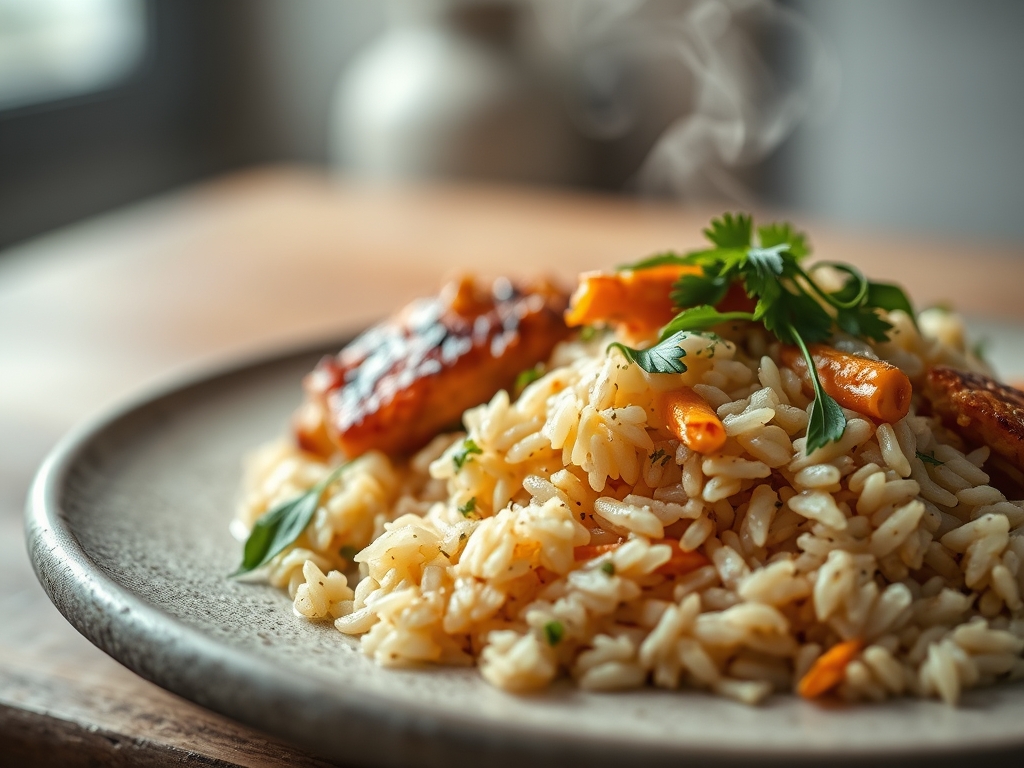
Picture the scent of toasted jasmine rice blooming in a hot pan while lean chicken thighs sizzle nearby. There is a specific, comforting magic in the way these two humble ingredients transform into gourmet fuel. When you master healthy rice chicken recipes, you are not just cooking dinner; you are engineering the perfect balance of complex carbohydrates and bioavailable protein.
The secret to a week of vibrant eating lies in the versatility of this duo. Whether you are craving the bright acidity of a Mediterranean bowl or the deep umami of a ginger soy stir fry, the foundation remains the same. We are moving past the bland, boiled chicken of yesteryear and stepping into a world where texture and flavor science reign supreme. By focusing on high quality grains and precise searing techniques, we can create meals that nourish the body without sacrificing the soul of a well cooked dish.
The Gathers:
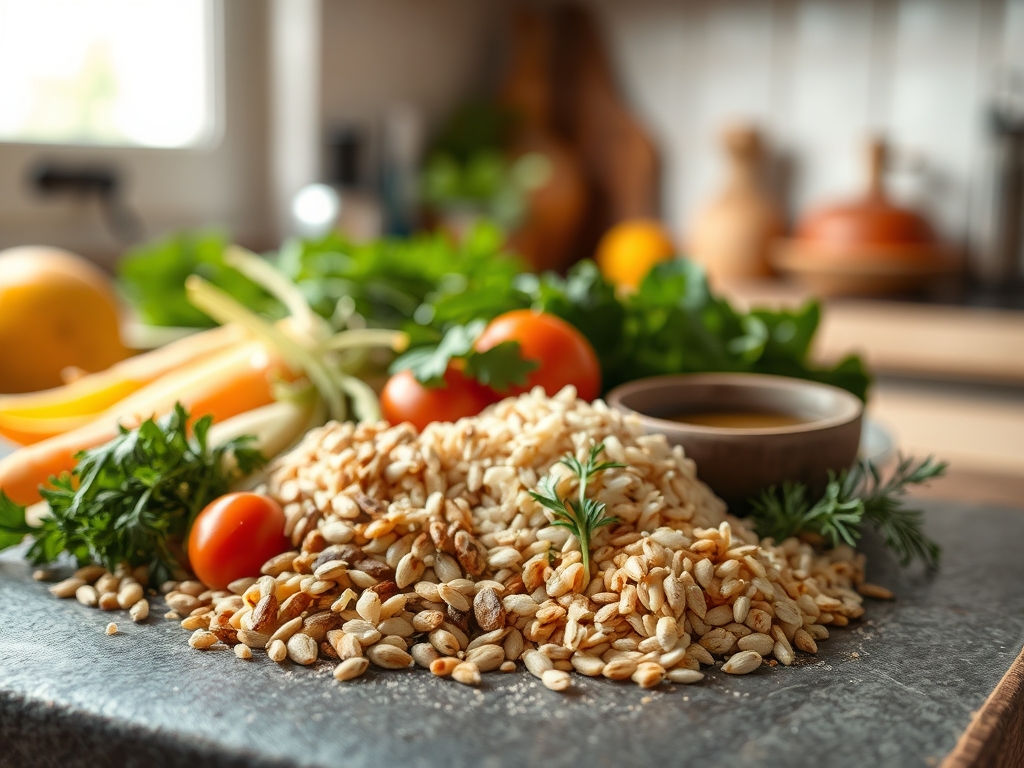
To execute these healthy rice chicken recipes with professional finesse, your mise-en-place must be intentional. Start with your protein; choose air chilled chicken breasts or thighs for a better sear, as excess water content inhibits the Maillard reaction. For your grains, look beyond standard white rice. Consider nutty black forbidden rice for its high anthocyanin content or parboiled basmati for a lower glycemic index.
Your workspace should feature a heavy bottomed skillet for heat retention and a microplane for grating fresh aromatics like ginger and garlic. Using a digital scale ensures your grain to water ratios are precise, preventing the dreaded "mushy rice" syndrome. Smart substitutions are your best friend here. Swap heavy creams for a viscous cashew cream or use coconut aminos instead of soy sauce to reduce sodium while maintaining a piquant depth. Always have a high smoke point oil, like avocado oil, ready to render the fat from the chicken skin without burning the delicate fats.
The Clock
The "Chef's Flow" is all about overlapping tasks to minimize downtime. Expect a total active time of 20 minutes with a passive simmer time of 15 to 20 minutes depending on the grain. While the rice undergoes gelatinization in the pot, you should be prepping your aromatics and searing the chicken. This parallel processing ensures that the chicken finishes resting exactly when the rice is ready to be fluffed, preserving the thermal integrity of the entire meal.
The Masterclass
1. The Sear and Render
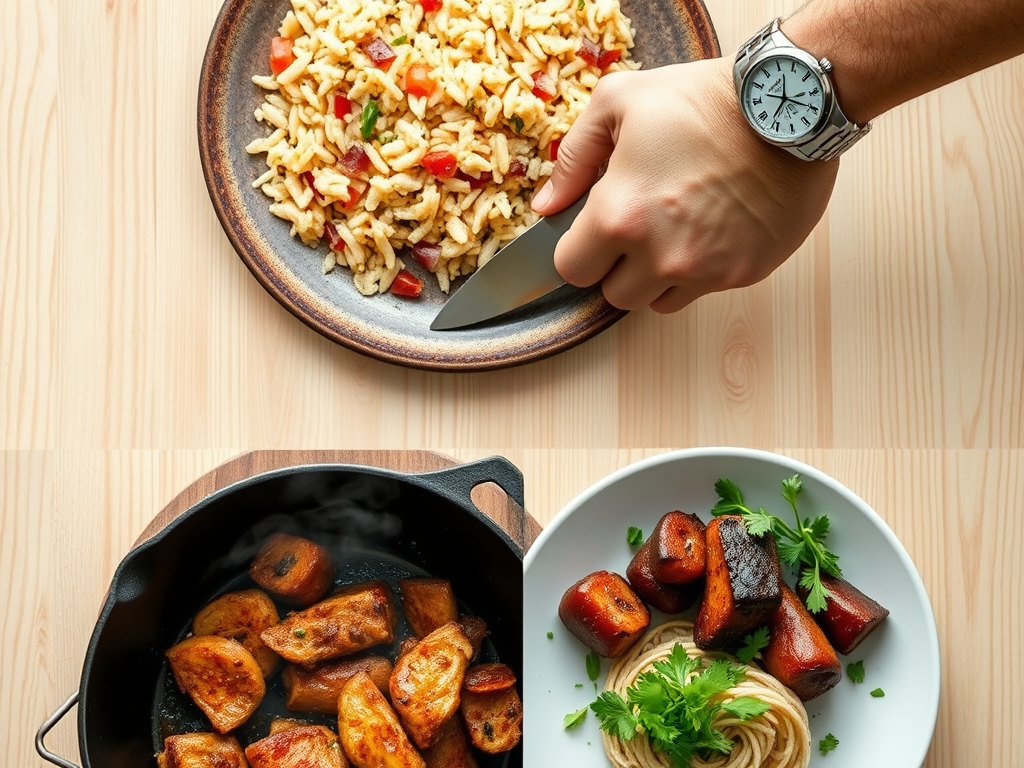
Place your seasoned chicken skin side down in a preheated heavy bottomed skillet. Do not crowd the pan; this drops the temperature and leads to steaming rather than searing. Use tongs to press the meat down, ensuring maximum surface contact.
Pro Tip: This step relies on enzymatic browning. By leaving the chicken undisturbed, you allow the amino acids and reducing sugars to create a complex flavor crust that is impossible to achieve with boiling.
2. Deglazing the Fond
Once the chicken is golden, remove it and look at the brown bits stuck to the pan. This is called fond. Pour in a splash of chicken stock or dry white wine to deglaze the surface, using a bench scraper or wooden spoon to lift those concentrated flavor molecules.
Pro Tip: Deglazing is a chemical extraction. The liquid acts as a solvent, pulling the caramelized proteins back into the sauce to create a rich, savory base for your rice.
3. Toasting the Grains
Before adding your cooking liquid, toss your dry rice into the pan with the aromatics. Stir until the edges of the rice become translucent and it smells slightly nutty.
Pro Tip: Toasting the rice creates a protective layer of dextrinization. This prevents the grains from breaking down too quickly, resulting in individual, fluffy grains rather than a sticky mass.
4. The Gentle Simmer
Add your measured liquid and bring to a boil, then immediately drop to the lowest heat setting and cover tightly. This creates a closed steam environment.
Pro Tip: Resist the urge to peek. Opening the lid releases the latent heat required for the rice to absorb the liquid evenly. Maintaining a constant temperature is vital for uniform starch swelling.
5. The Rest and Fluff
Once the liquid is absorbed, turn off the heat but keep the lid on for five minutes. Afterward, use a fork to aerate the grains gently.
Pro Tip: This resting period allows for thermal carryover, where the residual steam finishes cooking the center of the grains. It also allows the moisture to redistribute, preventing the bottom from becoming soggy.
The Deep Dive
In terms of macro nutrition, these healthy rice chicken recipes typically provide a 40/30/30 split of carbs, protein, and healthy fats. Each serving offers approximately 35 grams of lean protein and 5 grams of fiber if using whole grains.
For dietary swaps, Keto followers can substitute the rice for riced cauliflower sautéed in ghee. Vegan friends can swap chicken for pressed extra firm tofu or tempeh, which mimics the protein density. If you are Gluten Free, ensure your chicken stock is certified and use tamari instead of soy sauce.
The Fix-It:
- Gummy Rice: You likely over-stirred, releasing too much amylopectin. Fix it by spreading the rice on a sheet pan to air dry, then quick frying it.
- Dry Chicken: You overshot the internal temperature. Fix it by slicing the meat thin and tossing it in a viscous sauce or a splash of warm broth to rehydrate the fibers.
- Bland Base: You didn't season the water. Fix it by folding in fresh herbs and a squeeze of lemon juice at the end to brighten the piquant notes.
Meal Prep Science: To maintain "day-one" quality, store rice and chicken in airtight containers. When reheating, add a teaspoon of water and cover with a damp paper towel. This creates a mini steam chamber in the microwave, preventing the starch from undergoing retrogradation, which is what makes leftover rice feel hard.
The Wrap-Up
Mastering healthy rice chicken recipes is like having a superpower in the kitchen. It is the ultimate "work smarter, not harder" approach to nutrition. By understanding the science of the sear and the physics of the simmer, you transform basic pantry staples into a week of high performance fuel. Go grab your favorite skillet and start experimenting with different aromatics; your future, well fed self will thank you.
The Kitchen Table
How do I keep chicken breast from drying out?
Use a meat thermometer to pull the chicken at 160 degrees Fahrenheit. The thermal carryover will bring it to the safe 165 mark while resting, ensuring the juices remain trapped within the muscle fibers for a tender result.
What is the healthiest rice for these recipes?
Black forbidden rice or sprouted brown rice are top choices. They offer higher antioxidant levels and more fiber than white varieties, which helps stabilize blood sugar and keeps you feeling satiated for much longer after your meal.
Can I cook the chicken and rice in one pot?
Absolutely. This "one pot" method allows the rice to infuse with the chicken juices as it simmers. Just ensure you sear the chicken first to develop flavor before adding the rice and liquid to the same vessel.
How long does cooked chicken and rice last?
When stored in an airtight container in the refrigerator, these meals stay fresh for up to four days. For the best texture, keep the sauce separate and combine them only when you are ready to reheat and serve.