
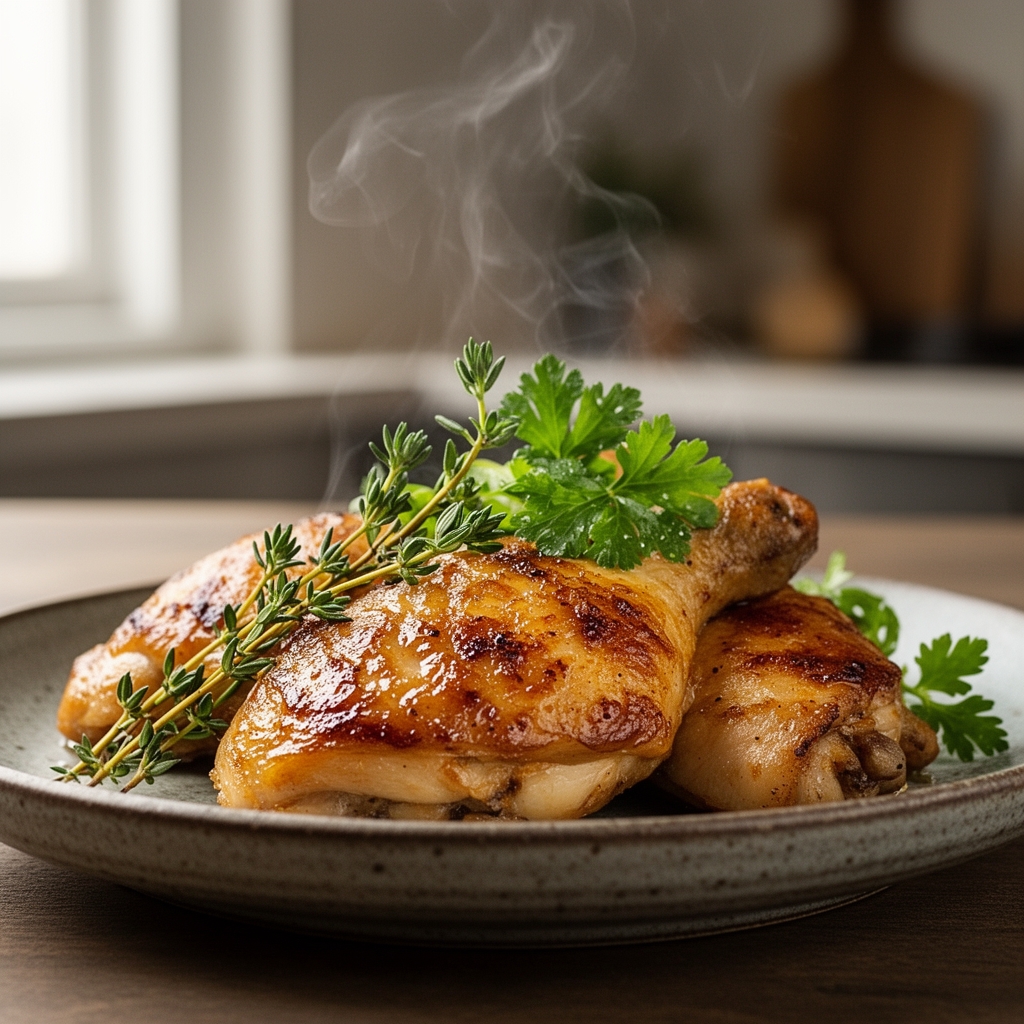
The sharp citrus tang of fresh lemongrass hits your nose before the knife even breaks the pale green stalk, releasing volatile oils that promise brightness in every bite. When that aromatic meets seared chicken thighs in a screaming-hot pan, the Maillard reaction creates a caramelized crust while essential compounds like citral permeate the meat. These eight lemongrass chicken recipes harness that Southeast Asian powerhouse ingredient in techniques ranging from classic Vietnamese grilled thighs to Thai-style braised drumsticks, each delivering complexity without fuss. Whether you're working with boneless breasts for quick weeknight stir-fries or whole legs for slow-roasted depth, lemongrass anchors the flavor architecture. The ingredient's fibrous structure means proper prep matters: bruise the stalks to release oils, mince the tender white base for marinades, and always remove woody outer layers before processing.
The Gathers
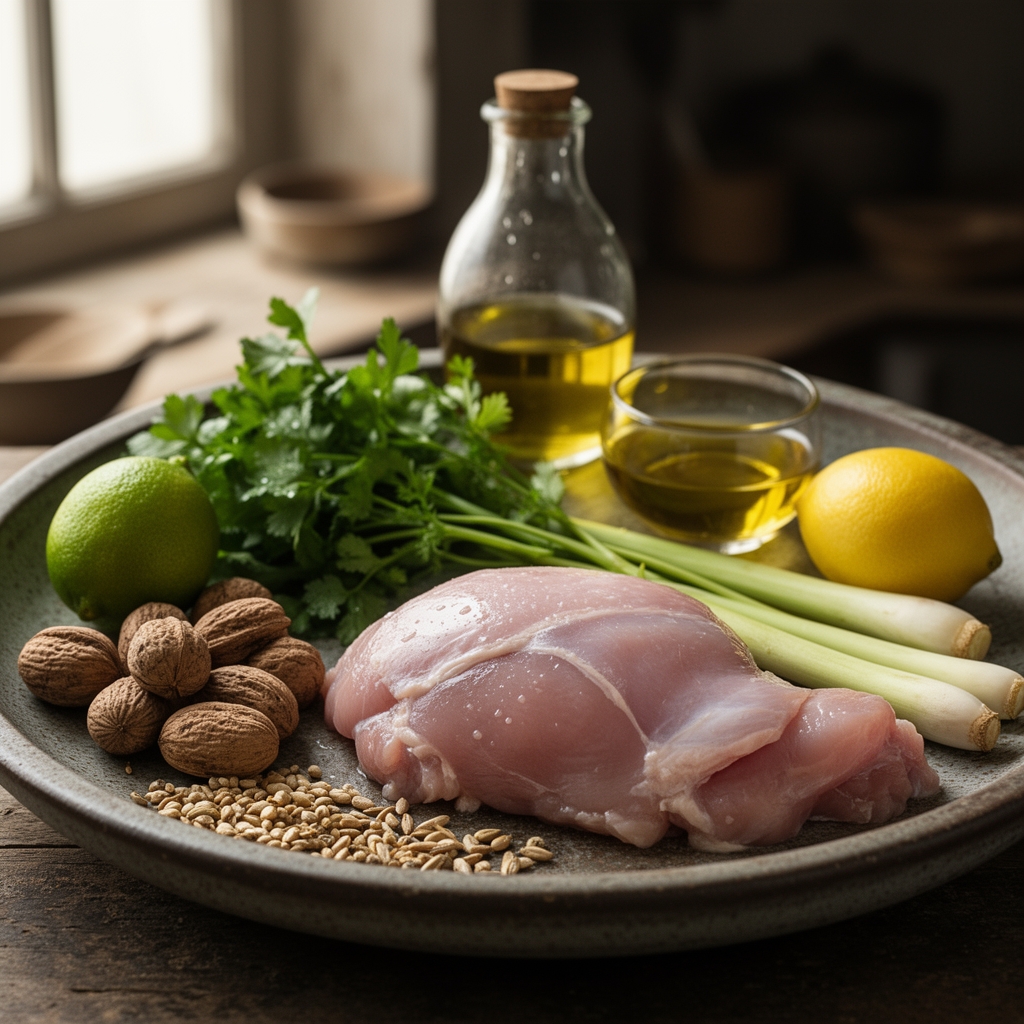
As you see in the ingredient spread below, fresh lemongrass stalks (4 to 6, white parts only) form the aromatic spine. Look for firm stalks with tight layers, no browning at the base. Chicken thighs (1.5 kg, bone-in, skin-on) provide superior collagen and fat for moisture retention during high-heat cooking. Fish sauce (60 ml) delivers umami depth through fermented anchovies, while palm sugar (45 g, grated) balances salinity with caramel sweetness. Garlic (8 cloves, smashed), shallots (3 large, thinly sliced), and bird's eye chilies (2 to 4, depending on heat tolerance) round out the aromatics. Neutral oil with a high smoke point (grapeseed or rice bran, 30 ml) prevents scorching. Fresh lime juice (from 2 limes) and cilantro (one bunch) finish with brightness.
Smart Substitutions: Galangal can replace half the lemongrass for a peppery twist. Coconut sugar or light brown sugar work if palm sugar is unavailable. Tamari or coconut aminos substitute fish sauce for allergen concerns, though you'll lose some fermented complexity. Chicken breasts work but demand shorter cook times to avoid dryness; internal temp becomes non-negotiable at 74°C (165°F).
The Clock
Prep: 20 minutes (15 for ingredient processing, 5 for marination setup)
Cook: 35 minutes (25 active searing and braising, 10 resting)
Total: 55 minutes
Chef's Flow: While chicken marinates (minimum 30 minutes, ideally 4 hours), prep garnishes and aromatics. Use marination time to cook jasmine rice or prep side vegetables. Heat your pan during the final 5 minutes of marination so it's at optimal temp (190°C/375°F surface) when chicken hits the metal. This sequencing eliminates dead time.
The Masterclass
Step 1: Process the Lemongrass Paste
Remove outer two layers from each stalk, then bruise with a meat mallet to break cell walls. Mince the bottom 8 cm (white and pale green only) until you have a fine paste. Combine with garlic, shallots, chilies, fish sauce, palm sugar, and 15 ml oil in a mortar or food processor.
Why It Works: Bruising before mincing releases up to 40% more essential oils. The sugar-acid-salt trinity creates osmotic pressure that pulls moisture from chicken while depositing flavor compounds deep into the protein matrix.
Step 2: Marinate with Intent
Score chicken skin in a crosshatch pattern (5 mm deep) without cutting into meat. Rub paste under skin and all over each piece. Refrigerate 30 minutes minimum, up to 12 hours.
Chef's Secret: Scoring increases surface area for paste contact and renders fat more efficiently during searing. The cold marination period allows enzymatic activity from garlic to gently tenderize without turning the texture mushy.
Step 3: Achieve the Sear
Pat chicken completely dry with paper towels. Heat a heavy skillet (cast iron ideal) over medium-high until a water droplet evaporates in 2 seconds. Add remaining oil, then place chicken skin-side down without moving for 6 minutes.
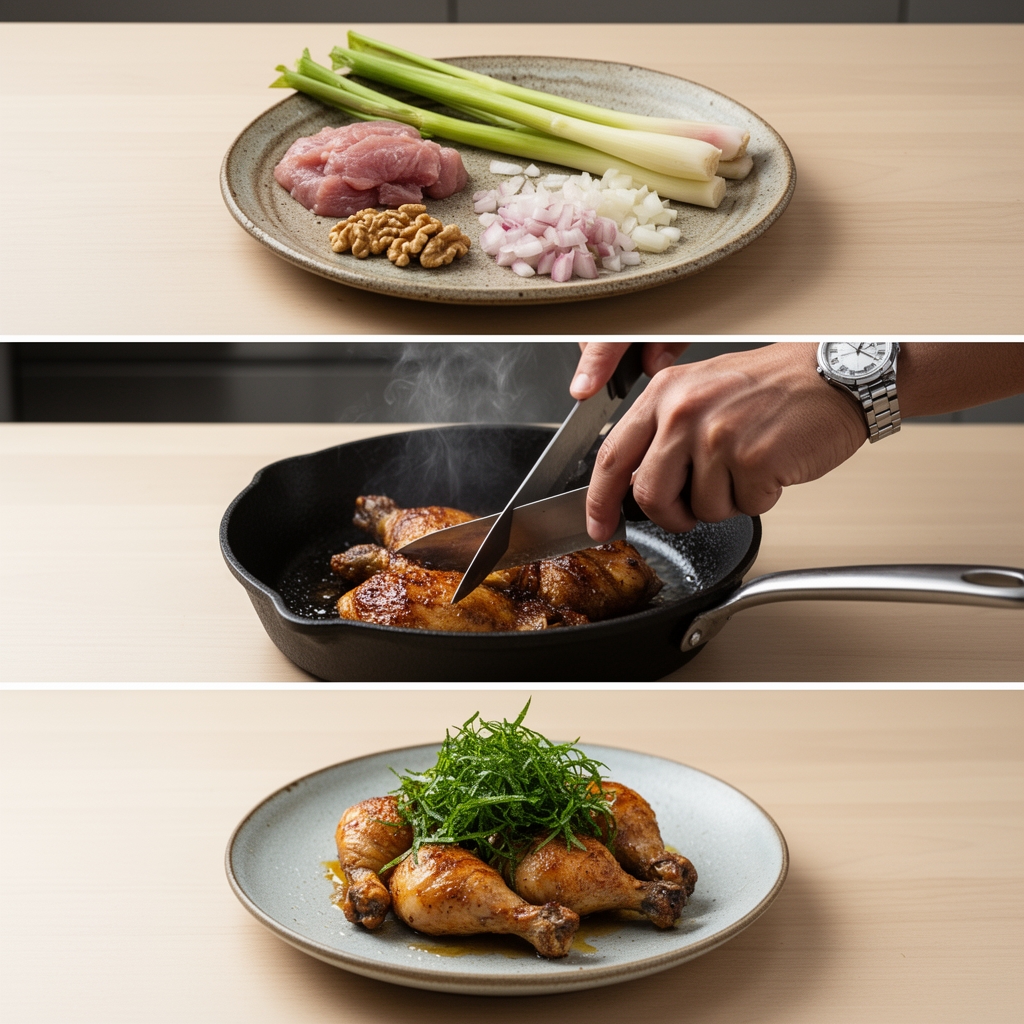
Why It Works: Note the texture shown in the step-by-step photos: that mahogany crust forms only when surface moisture evaporates completely and the Maillard reaction initiates above 140°C (285°F). Moving the meat breaks crust formation and steams rather than sears.
Step 4: Flip and Finish
Turn chicken, reduce heat to medium-low, and cook 12 minutes until internal temp reads 72°C (162°F) at the thickest part. Remove to a resting plate.
Chef's Secret: Pulling at 72°C accounts for 3-degree carryover. Residual heat continues cooking during the 10-minute rest, reaching safe 74°C (165°F) while preserving juiciness.
Step 5: Build the Pan Sauce
Pour off all but 15 ml fat. Add reserved lemongrass tops (bruised) and any leftover marinade. Deglaze with 60 ml water, scraping fond. Simmer 3 minutes until slightly thickened.
Why It Works: Fond (those browned bits) contains concentrated proteins and sugars that create complex, savory depth. The water lifts them while the residual marinade sugars reduce into a glossy, clinging sauce.
Step 6: Glaze and Garnish
Return chicken to pan, spooning sauce over skin. Finish with lime juice and torn cilantro leaves.
Chef's Secret: Adding acid off-heat preserves its bright, volatile top notes. Heat would dull lime's zing into flat sourness.
Nutritional Info
Per serving (1 thigh with sauce, serves 6): 320 calories, 28 g protein, 21 g fat (6 g saturated), 8 g carbohydrates (5 g sugars), 1 g fiber, 680 mg sodium. High in niacin (42% DV) and selenium (38% DV). The collagen-rich thighs provide glycine for joint health.
Dietary Swaps
Keto: Replace palm sugar with erythritol (1:1 ratio). Use full-fat coconut milk (60 ml) in the sauce for richness. Net carbs drop to 2 g per serving.
Vegan: Substitute extra-firm tofu (pressed 30 minutes, cubed) or oyster mushrooms (king trumpets work beautifully). Replace fish sauce with doubled tamari plus 5 ml miso paste for umami. Cook time reduces to 8 minutes total.
Gluten-Free: Already compliant if using tamari instead of soy-based fish sauce alternatives. Verify all condiments are certified GF.
Serving & Presentation
Street-Style Bowl: Nestle chicken over broken jasmine rice, drizzle pan sauce, scatter pickled daikon and carrots, finish with fried shallots and mint.
Elegant Plating: Slice thigh off bone, fan over lemongrass-infused coconut rice, dot plate with chili oil, garnish with microgreens and a grilled lemongrass stalk.
Family-Style Platter: Arrange whole thighs on a bed of grilled bok choy, surround with lime wedges, serve sauce in a small bowl for communal dipping.
The Pro-Dodge
Pitfall 1: Wet chicken refuses to brown. Fix: Always pat completely dry and let sit uncovered in the fridge 20 minutes before cooking to dry the skin further.
Pitfall 2: Lemongrass tastes woody and astringent. Fix: You used the tough outer layers or top portions. Only the bottom 8 cm of the inner white core is tender enough to eat.
Pitfall 3: Sauce splits and looks greasy. Fix: You added acid while the pan was too hot. Always remove from heat before lime juice addition, and whisk in 5 ml cold water to re-emulsify if needed.
The Meal Prep Corner
Storage: Refrigerate chicken and sauce separately in airtight containers up to 4 days. Freeze up to 3 months.
Reheating for Day-One Quality: Oven method preserves texture best. Preheat to 175°C (350°F), place chicken on a wire rack over a baking sheet (air circulation prevents sogginess), tent loosely with foil, and heat 15 minutes. Warm sauce separately in a small pot with a splash of water to restore consistency. Microwave reheating steams the skin, turning it rubbery; avoid if possible.
Batch Strategy: Double the marinade recipe and freeze half in portions. Marinate fresh chicken directly from frozen paste for 6 hours as it thaws.
The Wrap-Up
These lemongrass chicken recipes prove that bold, restaurant-quality flavor doesn't require specialty equipment or culinary school training. The science is simple: respect your ingredients, control your temps, and let the Maillard reaction do its magic. Each variation in this collection shares the same foundational technique but pivots with different cuts, cooking methods, or regional twists. Try the grilled skewers for summer cookouts, the braised version for cozy winter dinners, or the stir-fry when you need dinner in 20 minutes flat. Drop a comment below with your favorite lemongrass pairing or tag your plating photos so the community can steal your presentation ideas.
The Kitchen Table
Can I use dried lemongrass instead of fresh?
Dried lemongrass works in sauces and braises (use 1 tablespoon dried per 1 fresh stalk) but lacks the bright, volatile oils for marinades. Rehydrate in warm water 20 minutes before mincing. Fresh remains superior for maximum impact.
Why does my chicken skin stay rubbery?
Moisture is the enemy of crispy skin. After marinating, air-dry chicken uncovered in the fridge 1 hour. During cooking, don't crowd the pan (moisture can't escape) and resist the urge to flip early. Six uninterrupted minutes per side at proper temp is non-negotiable.
What's the best chicken cut for meal prep?
Boneless thighs win for versatility. They reheat without drying, slice cleanly for grain bowls, and marinate faster than bone-in cuts. Keep cook time to 18 minutes total for optimal texture after reheating.
How do I tone down the lemongrass intensity?
Use only 2 stalks instead of 4 to 6, and add 30 ml coconut milk to the marinade for mellower flavor. Balance with extra palm sugar (increase to 60 g total) to round out the citrus sharpness.
Can I grill these instead of pan-searing?
Absolutely. Preheat grill to medium-high (direct heat, 200°C/400°F). Oil grates well, cook skin-side down 7 minutes without moving, flip and finish 10 minutes on indirect heat until internal temp hits 72°C (162°F). The char adds smoky depth that complements lemongrass beautifully.