
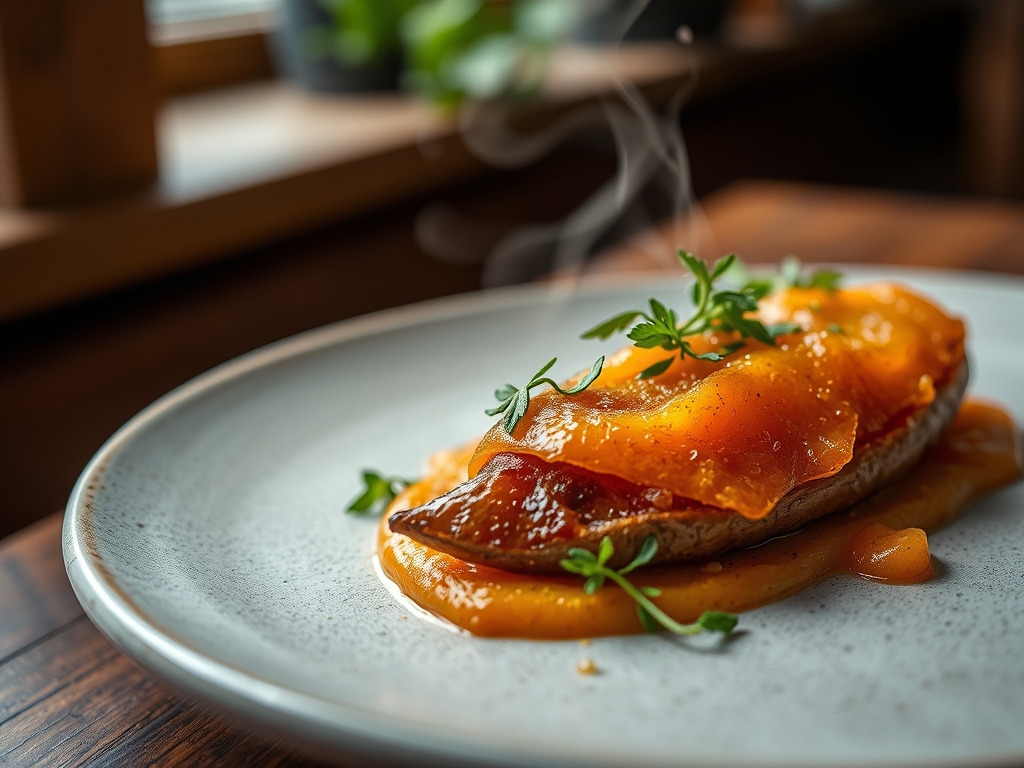
Imagine the scent of caramelizing sugars wafting through your kitchen as a humble tuber transforms into a culinary masterpiece. When you are hunting for sweet potato recipes main dish options, you are looking for more than just a side; you want a plate that commands attention with its vibrant orange hue and velvety texture. These dishes bridge the gap between earthy comfort and sophisticated nutrition.
The magic of the sweet potato lies in its complex carbohydrates and natural sugars. When heat is applied, a chemical transformation occurs that elevates this root vegetable from a simple starch to a decadent center-of-the-plate protein partner. Whether you are roasting them whole to create a stuffed vessel or dicing them for a spicy curry, the versatility is unmatched. We are moving past the marshmallow-topped casseroles of the past. Today, we are exploring how to use acidity, salt, and heat to create a balanced, filling meal that satisfies the deepest cravings.
The Gathers:
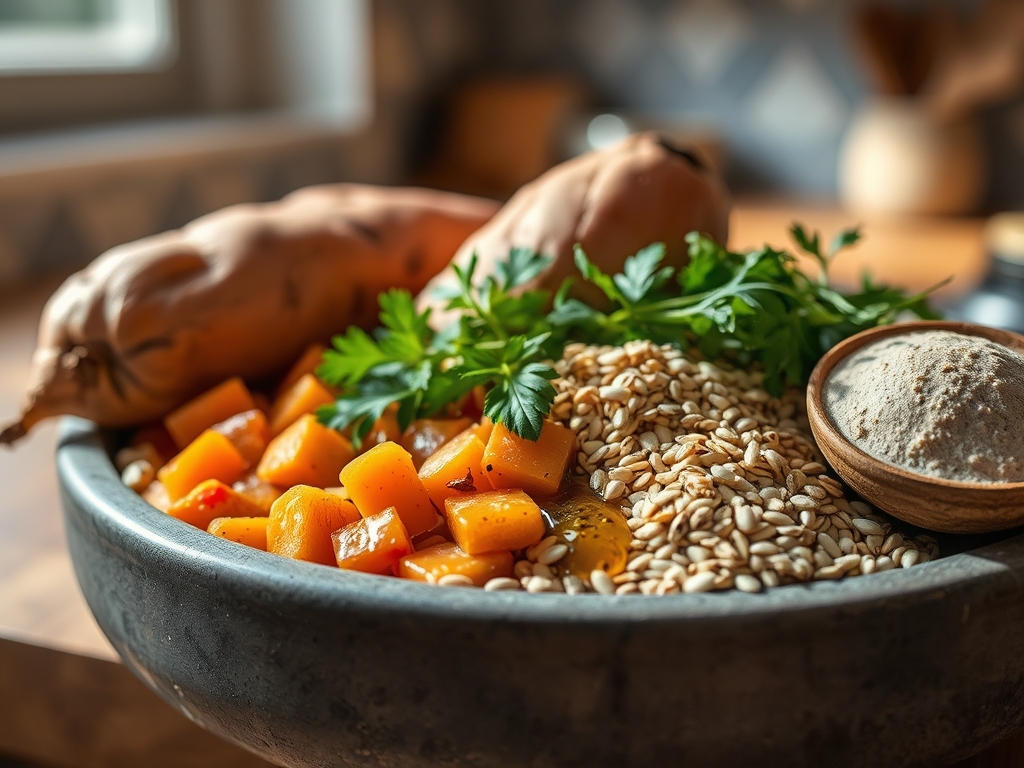
To execute these sweet potato recipes main dish concepts, your mise-en-place must be precise. Start with firm, unblemished Beauregard or Jewel sweet potatoes. You will need a heavy-bottomed skillet for even heat distribution and a sharp chef's knife for uniform dicing. Gather high-quality fats like grass-fed butter or extra virgin olive oil to facilitate heat transfer. For aromatics, keep shallots, garlic, and fresh ginger on hand to provide a piquant counterpoint to the sweetness.
Smart Substitutions are the secret to kitchen flexibility. If you cannot find orange-fleshed tubers, Japanese sweet potatoes offer a denser, starchier profile that holds its shape beautifully in stews. For those avoiding dairy, full-fat coconut milk provides the viscous mouthfeel required for a rich sauce without sacrificing creaminess. If you lack a specific spice like cumin, toasted coriander seeds crushed in a mortar and pestle offer a bright, citrusy alternative that highlights the potato's natural earthiness.
The Clock: Timing and Chef's Flow
Efficiency in the kitchen is about managing your "Chef's Flow." For most sweet potato recipes main dish preparations, you are looking at a 15-minute prep window and a 35 to 45-minute cook time. The key is to utilize the roasting time to prepare your garnishes and sauces. While the potatoes are in the oven undergoing the Maillard reaction, you should be using your microplane to zest citrus or finely grate aromatics.
Start by preheating your oven to 425 degrees Fahrenheit. This high heat is essential for rapid moisture evaporation, which leads to crispy edges. While the oven reaches temperature, wash and dry your tubers thoroughly. Moisture is the enemy of browning; a damp potato will steam rather than roast. By the time your potatoes are halfway through their cook cycle, your proteins and sauces should be ready to integrate, ensuring everything hits the table at the optimal temperature.
The Masterclass:
1. The Precision Cut and Toss
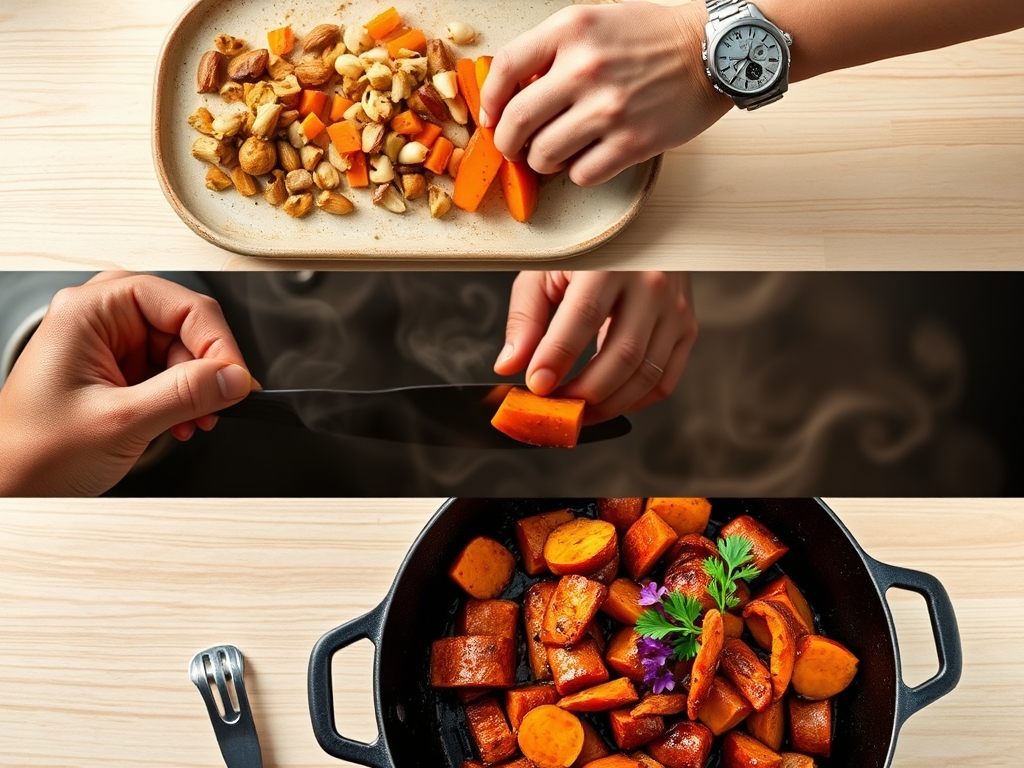
Uniformity is the foundation of even cooking. Use a bench scraper to move your diced cubes from the cutting board to a large mixing bowl. Coat them in oil and salt until every surface is glistening.
Pro Tip: This step utilizes surface area maximization. Smaller, uniform cubes increase the area available for browning, which speeds up the caramelization of the natural maltose sugars.
2. High-Heat Roasting
Spread the potatoes on a parchment-lined sheet pan. Ensure they are in a single layer with space between each piece. If the pan is crowded, the release of steam will prevent the edges from becoming crisp.
Pro Tip: This involves thermal radiation. By giving each piece space, you allow hot air to circulate, preventing the "steaming effect" and ensuring a Maillard-rich crust forms on the exterior.
3. Deglazing the Skillet
If you are making a skillet-based main, such as a sweet potato hash or stir-fry, use a splash of vegetable stock or dry white wine to deglaze the pan after browning your aromatics. Use a wooden spoon to scrape up the "fond" from the bottom.
Pro Tip: The fond contains concentrated flavor molecules. By adding liquid, you solubilize these compounds, creating a savory base that coats the sweet potatoes in deep, umami-rich layers.
4. Emulsifying the Sauce
For creamy sweet potato recipes main dish variations, whisk in a fat source like tahini or heavy cream at the very end. Use a saucier for this to ensure the whisk reaches every corner, preventing scorching.
Pro Tip: This is the science of emulsification. Adding the fat at the end, off the heat, prevents the sauce from "breaking" or separating, resulting in a smooth, luxurious texture.
5. The Final Infusion
Fold in fresh herbs like cilantro or parsley just before serving. Use tongs to gently toss the greens so they wilt slightly from the residual heat without losing their vibrant color.
Pro Tip: This relies on volatile aromatic compounds. Adding herbs at the end preserves the delicate oils that would otherwise evaporate during a long cook time, providing a fresh finish.
6. Resting and Carryover Cooking
Allow the dish to sit for three to five minutes before plating. This allows the internal temperatures to stabilize and the fibers to relax.
Pro Tip: This accounts for thermal carryover. The internal temperature will continue to rise by a few degrees even after being removed from the heat, ensuring the center is perfectly soft without the exterior burning.
The Deep Dive:
From a nutritional standpoint, sweet potatoes are a powerhouse. They are rich in beta-carotene, which the body converts to Vitamin A, and they provide a significant amount of fiber. For those following a Keto lifestyle, sweet potatoes are generally avoided due to their starch content, but they are a staple for Vegan and Gluten-Free diets. To make these dishes Keto-friendly, you would need to swap the potato for roasted cauliflower or radishes, though the flavor profile will shift significantly.
The "Fix-It" guide for common pitfalls:
- Soggy Potatoes: This usually happens due to overcrowding the pan. Fix it by returning the potatoes to a high-heat oven on a preheated wire rack to allow moisture to escape from all sides.
- Bitter Char: If the sugars burn, the taste becomes acrid. Balance this by adding a touch of honey or maple syrup and a squeeze of lime juice to mask the bitterness with sweetness and acidity.
- Uneven Cooking: If some pieces are hard while others are mush, your knife work was likely inconsistent. Next time, use a digital scale to weigh portions or a mandoline for perfectly even slices.
For meal prep, reheating is a science. Avoid the microwave, which turns the starch mucilaginous. Instead, use an air fryer or a toaster oven at 350 degrees Fahrenheit. This dry heat re-crisps the exterior while gently warming the interior, maintaining "day-one" quality.
The Wrap-Up:
You are now equipped to turn the humble sweet potato into a show-stopping main event! By understanding the chemistry of heat and the importance of professional tools, you have leveled up your kitchen game. These sweet potato recipes main dish ideas are not just meals; they are a celebration of texture, flavor, and smart cooking. Go grab your heavy-bottomed skillet and get roasting!
The Kitchen Table:
How do I stop my sweet potatoes from getting mushy?
Avoid overcrowding the roasting pan and ensure the potatoes are completely dry before adding oil. High heat, around 425 degrees Fahrenheit, helps create a crisp exterior while the interior stays tender through rapid moisture evaporation.
Can I eat the skin of the sweet potato?
Yes, the skin is entirely edible and contains a high concentration of fiber and nutrients. Just ensure you scrub them thoroughly with a vegetable brush to remove any dirt before roasting or sautéing.
What is the best way to store leftovers?
Store leftovers in an airtight glass container in the refrigerator for up to four days. To maintain texture, reheat them in an oven or air fryer rather than a microwave to preserve the roasted exterior.
Which sweet potato variety is best for main dishes?
Jewel or Beauregard varieties are excellent for roasting and mashing due to their high sugar content. For soups or stews that require the potato to hold its shape, try the starchier Japanese sweet potato with white flesh.